Finding Balance in a High-Intensity Hobby: Mental Health Insights for Weapon Enthusiasts
Posted By Guest, On: June 4, 2026 , In: Uncategorized
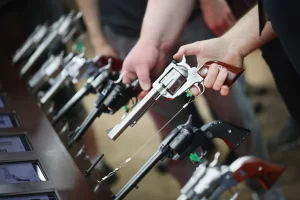 High-intensity hobbies often bring a strong sense of focus, excitement, and purpose. For weapon enthusiasts, this interest may include collecting, studying, or engaging with items that require discipline and attention to detail. While this can be a meaningful and structured passion, there are times when intensity begins to affect emotional well-being. At Cueroyacero, we understand that even healthy hobbies can become emotionally complex when they start to influence stress levels, relationships, or mental health. Finding balance is not about removing passion, but about keeping it healthy and sustainable.
Understanding High-Intensity Hobbies and Mental Health
High-intensity hobbies demand significant focus, emotional investment, or time commitment. They can be deeply rewarding, but they also carry the potential to become overwhelming if they start to function as a primary emotional outlet.
Weapon enthusiasm often combines structure, skill, and strong personal interest. Because of this, it can easily become intertwined with emotional regulation, especially during stressful periods.
When Passion Begins to Feel Heavy
A hobby may be moving out of balance if you notice:
- Constant thoughts about the hobby even when engaged in other activities
- Emotional discomfort when unable to participate
- Increasing time or financial investment that feels difficult to control
- Neglect of responsibilities or relationships
- Using the hobby to escape stress or emotional challenges
These signs do not mean the hobby is harmful on its own. Instead, they suggest that emotional needs may be closely connected to it.
The Mental Health Side of Intense Engagement
From a mental health perspective, high-intensity hobbies can become coping mechanisms. The brain naturally seeks activities that provide relief from stress, anxiety, or emotional discomfort. Structured hobbies like collecting or studying weapons can offer that relief through focus and control.
Emotional Drivers That Influence Intensity
Several internal factors can contribute to stronger attachment:
Stress and Overload
When life feels overwhelming, hobbies can become a safe space for distraction and emotional relief.
Need for Control
Structured interests create predictability, which can feel grounding during uncertain times.
Identity Connection
A hobby may become tied to self-worth or personal identity, making it more emotionally significant.
Dopamine Reinforcement
The excitement of acquiring or engaging with the hobby can activate reward pathways in the brain, reinforcing repeated behavior.
Emotional Avoidance
Sometimes, the hobby becomes a way to avoid difficult emotions or unresolved experiences.
When Intensity Affects Daily Life
When a hobby becomes emotionally central, it can begin to influence multiple areas of life. Individuals may experience fatigue, irritability, or difficulty focusing on other responsibilities. Relationships may feel strained, and emotional balance may become harder to maintain.
Over time, the hobby may shift from being one part of life to becoming the main source of emotional regulation.
How Mental Health Support Can Help Restore Balance
At Cueroyacero, we provide compassionate, individualized care designed to help individuals understand the emotional patterns behind their behaviors. Our approach focuses on long-term healing, not just surface-level change.
Our Integrated Treatment Approach Includes
- Inpatient and outpatient mental health and addiction care
- Individual therapy to explore emotional triggers and coping mechanisms
- Group therapy for connection and shared understanding
- Holistic practices such as mindfulness and stress management skills
- Faith-based support for those seeking spiritual grounding
- Treatment for co-occurring mental health conditions
This comprehensive model helps individuals build healthier emotional regulation skills and restore balance in daily life.
Practical Strategies for Finding Balance
Maintaining a healthy relationship with a high-intensity hobby requires awareness and intentional habits.
Create Emotional Awareness
Notice what emotions arise before, during, and after engaging in the hobby. Patterns often reveal underlying needs.
Set Healthy Boundaries
Establish limits around time, spending, and frequency to prevent emotional overdependence.
Diversify Emotional Outlets
Engage in other activities such as exercise, creative hobbies, or social connection to support emotional balance.
Practice Mindful Engagement
Focus on enjoying the hobby in the present moment rather than using it to escape stress or discomfort.
Seek Support When Needed
Professional support can help identify deeper emotional drivers and provide tools for sustainable change.
Conclusion: Passion With Perspective
High-intensity hobbies like weapon enthusiasm can be meaningful, structured, and deeply engaging. However, when emotional intensity begins to affect mental health or daily functioning, it may be time to reassess balance.
At Cueroyacero, we offer compassionate, holistic, and individualized care to help individuals understand their emotional patterns and build healthier coping strategies. If your hobby is starting to feel overwhelming or emotionally central, reaching out for support can be the first step toward restoring balance, clarity, and long-term well-being.