Balancing the Hobby: Healthy Ways to Engage with Weapon Enthusiasm
 Collecting or engaging with weapons can be an enriching and rewarding hobby. It provides an outlet for learning, appreciation of craftsmanship, and personal expression. However, when interest becomes overwhelming or begins to interfere with daily life, finances, or emotional well-being, it may indicate a pattern similar to behavioral addiction. At Cueroyacero, we recognize the importance of maintaining a healthy balance between personal hobbies and overall mental health. Understanding how to engage with your enthusiasm responsibly can preserve the joy of your hobby while supporting long-term wellness.
Recognizing When a Hobby Becomes Compulsive
Weapon enthusiasm is healthy when it brings enjoyment without creating stress or conflict. Signs that a hobby may be turning compulsive include:
-
Spending excessive amounts of money on acquisitions
-
Feeling anxious or restless when unable to engage in the hobby
-
Prioritizing collecting or use over work, family, or social responsibilities
-
Experiencing guilt, shame, or tension with loved ones
-
Using collecting as a primary coping mechanism for emotional discomfort
Identifying these patterns is essential for preventing long-term emotional strain and maintaining balance in life.
Understanding the Emotional Drivers
Many people turn to hobbies like weapon collecting to fulfill emotional needs. Collecting or skill-building can provide a sense of control, accomplishment, or belonging. Emotional triggers such as stress, trauma, or social isolation can intensify engagement, making the hobby a coping mechanism rather than a source of enjoyment. When temporary satisfaction replaces long-term well-being, the risk of compulsive behavior increases.
Strategies for Healthy Engagement
Creating a balanced relationship with weapon enthusiasm involves intentional actions and self-awareness. Practical strategies include:
Set Clear Boundaries
Establish limits for spending, time commitment, and frequency of engagement. By defining boundaries, enthusiasts can prevent the hobby from overwhelming other areas of life.
Reflect on Motivation
Pause before acquiring new items or investing significant time. Ask whether the activity is motivated by enjoyment or by emotional avoidance. Awareness of motivation helps prevent compulsive patterns from developing.
Diversify Interests and Coping Strategies
Engage in alternative activities that provide fulfillment and emotional relief. Exercise, creative hobbies, and social connections can help regulate stress and reduce reliance on a single hobby for emotional support.
Seek Accountability
Sharing goals or limitations with trusted friends, family, or mentors can provide perspective and encouragement. Accountability partners can help maintain healthy engagement and prevent impulsive decisions.
Professional Support for Behavioral Patterns
At Cueroyacero, we offer individualized, holistic, and faith-based care for individuals struggling with behavioral or mental health challenges. Our programs include:
-
Inpatient and outpatient mental health and addiction services
-
Individual and group therapy to explore emotional triggers and coping skills
-
Holistic practices, including mindfulness, creative expression, and physical wellness
-
Faith-based guidance to support spiritual growth and emotional resilience
-
Support for co-occurring mental health conditions
Professional support ensures that underlying emotional needs are addressed, reducing the likelihood of compulsive behavior and promoting balanced living.
Conclusion: Maintaining Balance While Enjoying Your Hobby
Weapon enthusiasm can remain a healthy and fulfilling hobby when approached with self-awareness, boundaries, and emotional insight. Recognizing when passion turns into pressure is key to preserving mental health and overall well-being. At Cueroyacero, we provide compassionate, evidence-based, and holistic care to help individuals develop healthy habits, address emotional triggers, and maintain balance in all areas of life. If your hobby is starting to feel overwhelming or stressful, reaching out today can help you enjoy your interests safely while building a more fulfilling and balanced life.
When Passion Becomes Pressure: Recognizing Compulsive Weapon Collecting
 For many enthusiasts, collecting weapons can start as a fulfilling hobby. It offers a connection to history, craftsmanship, and personal expression. However, what begins as an enjoyable interest can gradually become overwhelming, leading to stress, guilt, or disrupted daily life. At Cueroyacero, we understand that compulsive collecting is often a sign of deeper emotional or psychological needs. Recognizing the difference between healthy enthusiasm and compulsive behavior is the first step toward maintaining balance and protecting mental well-being.
Understanding Compulsive Weapon Collecting
Compulsive collecting occurs when the drive to acquire or manage weapons begins to dominate thoughts, time, or finances. While most collectors experience satisfaction, individuals struggling with compulsion may notice negative consequences, such as:
-
Anxiety or irritability when unable to collect
-
Overspending beyond financial means
-
Hiding acquisitions from family or friends
-
Neglecting work, responsibilities, or relationships
-
Using collecting as a primary coping mechanism for stress or emotional discomfort
Recognizing these patterns early can prevent long-term emotional strain and allow for proactive intervention.
Why Enthusiasm Can Turn into Compulsion
Several factors can transform a hobby into a compulsive behavior. Emotional needs such as the desire for control, achievement, or security may drive collecting beyond a healthy level. Stress, past trauma, or social isolation can intensify these behaviors. While each acquisition may provide temporary relief or satisfaction, the effect is fleeting, creating a cycle that can be difficult to break without support.
The Emotional and Mental Health Connection
Compulsive weapon collecting often mirrors other behavioral addictions in its psychological impact. Anxiety, depression, and stress can both contribute to and result from compulsive behaviors. Collectors may rely on their hobby as a primary means of managing difficult emotions, which can interfere with their personal, professional, and social lives. Addressing the emotional root of the behavior is essential to restoring balance.
Signs Your Collecting May Be Compulsive
Key indicators that collecting may be affecting your well-being include:
-
Feeling guilty or ashamed about acquisitions
-
Prioritizing collecting over meaningful relationships
-
Experiencing stress or frustration when unable to obtain items
-
Using collecting to escape negative feelings rather than for enjoyment
Acknowledging these signs is an important step toward seeking support and establishing healthier patterns.
How Professional Support Helps
At Cueroyacero, we provide holistic, faith-based, and individualized care for individuals struggling with behavioral and mental health challenges. Our programs include:
-
Inpatient and outpatient mental health and addiction services
-
Individual and group therapy to explore emotional triggers
-
Holistic practices such as mindfulness, creative expression, and physical wellness
-
Faith-based counseling to support emotional and spiritual growth
-
Support for co-occurring mental health conditions
Professional guidance helps individuals identify underlying triggers, develop coping strategies, and regain control over their lives.
Practical Strategies for Healthy Collecting
Even without professional intervention, collectors can take steps to maintain balance:
-
Set boundaries: Define financial limits and schedule dedicated collecting time.
-
Reflect on motivation: Consider whether collecting is for enjoyment or emotional escape.
-
Seek accountability: Share goals with a trusted friend or family member.
-
Diversify coping strategies: Engage in social, creative, or physical activities to manage stress.
These strategies help enthusiasts enjoy their hobby responsibly while protecting mental and emotional health.
Taking the First Step Toward Balance
Compulsive weapon collecting can affect anyone, but recovery and balance are possible. Recognizing when passion becomes pressure is the first step toward healthier engagement and emotional well-being. At Cueroyacero, we offer compassionate, personalized care to address underlying behavioral and mental health concerns. If collecting has begun to cause stress, conflict, or emotional strain, reaching out today can help you regain control, restore balance, and reclaim the joy in your hobbies. Contact Cueroyacero to take the first step toward a healthier, more fulfilling life.
Mind, Meaning & the Metal: Understanding Emotional Needs Behind Weapon Enthusiasm
 For many people, collecting or engaging with weapons is more than a hobby. It can provide a sense of history, craftsmanship, and personal expression. However, when enthusiasm turns into obsession, it may reflect deeper emotional needs that are not being addressed. At Cueroyacero, we recognize that weapon enthusiasm can sometimes mirror behavioral patterns similar to addiction. Understanding the emotional motivations behind this interest is essential to maintaining a healthy, balanced life and preventing negative consequences.
The Psychology Behind Weapon Enthusiasm
Weapon collecting or use can serve as a meaningful outlet for many individuals. Enthusiasts often feel a sense of pride, control, or identity through their collections or training. While these feelings are natural, they can sometimes mask underlying emotional challenges. When collecting or engaging with weapons becomes compulsive, it may signal unmet needs or unresolved psychological stressors.
Common Emotional Drivers
Several emotional and psychological factors can drive intense interest in weapons:
-
Control and Security: Weapons may provide a symbolic sense of control in situations where individuals feel powerless.
-
Achievement and Mastery: Building skill or curating a collection can fulfill a need for accomplishment.
-
Stress Relief and Escape: For some, weapon-related activities temporarily reduce anxiety or distract from difficult emotions.
-
Identity and Belonging: Weapons can become part of a person’s self-image or social connection with like-minded communities.
When these drivers become primary coping mechanisms, they may lead to compulsive behaviors or interfere with everyday life.
When Enthusiasm Becomes Compulsion
Healthy hobbies support well-being, but compulsion creates imbalance. Signs that weapon enthusiasm may be turning into compulsive behavior include:
-
Excessive time spent acquiring or maintaining weapons
-
Financial strain due to purchases
-
Emotional distress when unable to engage in collecting or training
-
Social or relationship conflicts related to the hobby
-
Using the hobby as the main coping strategy for stress or emotional pain
Recognizing these patterns early allows for intervention and support before the hobby negatively impacts other areas of life.
How Mental Health Support Helps
Professional support is critical when enthusiasm crosses into compulsion. At Cueroyacero, we provide holistic care that addresses emotional, mental, and spiritual well-being. Mental health support can help individuals:
-
Identify emotional triggers behind their behavior
-
Develop healthier coping strategies for stress and anxiety
-
Reestablish balance in relationships, work, and personal priorities
-
Explore personal values and meaning beyond the hobby
-
Heal from trauma or other underlying psychological challenges
Our programs combine inpatient and outpatient care, individual and group therapy, holistic practices, and faith-based guidance. This approach ensures that recovery addresses the whole person, not just the behavior.
Strategies for Healthy Engagement
Individuals can maintain a passion for weapons without it becoming compulsive. Practical strategies include:
-
Setting Boundaries: Limit time, spending, and frequency of engagement.
-
Reflecting on Motivation: Ask whether interest is driven by enjoyment or emotional avoidance.
-
Diversifying Activities: Incorporate hobbies, exercise, or social interaction that provide fulfillment.
-
Seeking Support: Engage trusted friends, family, or professionals to maintain perspective.
These steps can help enthusiasts enjoy their passion responsibly while protecting mental and emotional health.
Balancing Passion and Well-Being
Weapon enthusiasm can remain a healthy, rewarding interest when pursued mindfully. However, when it begins to dominate thoughts, emotions, or daily life, professional guidance is essential. At Cueroyacero, we offer compassionate, individualized support for those struggling with compulsive behaviors, stress, or underlying mental health challenges. By addressing emotional needs and establishing balance, individuals can continue to enjoy their hobbies while living fulfilling, well-rounded lives. Contact Cueroyacero today to explore holistic, evidence-based care and take the first step toward healthier engagement with your passions.
From Obsession to Fulfillment: Reclaiming Your Life Beyond Collecting Obsession
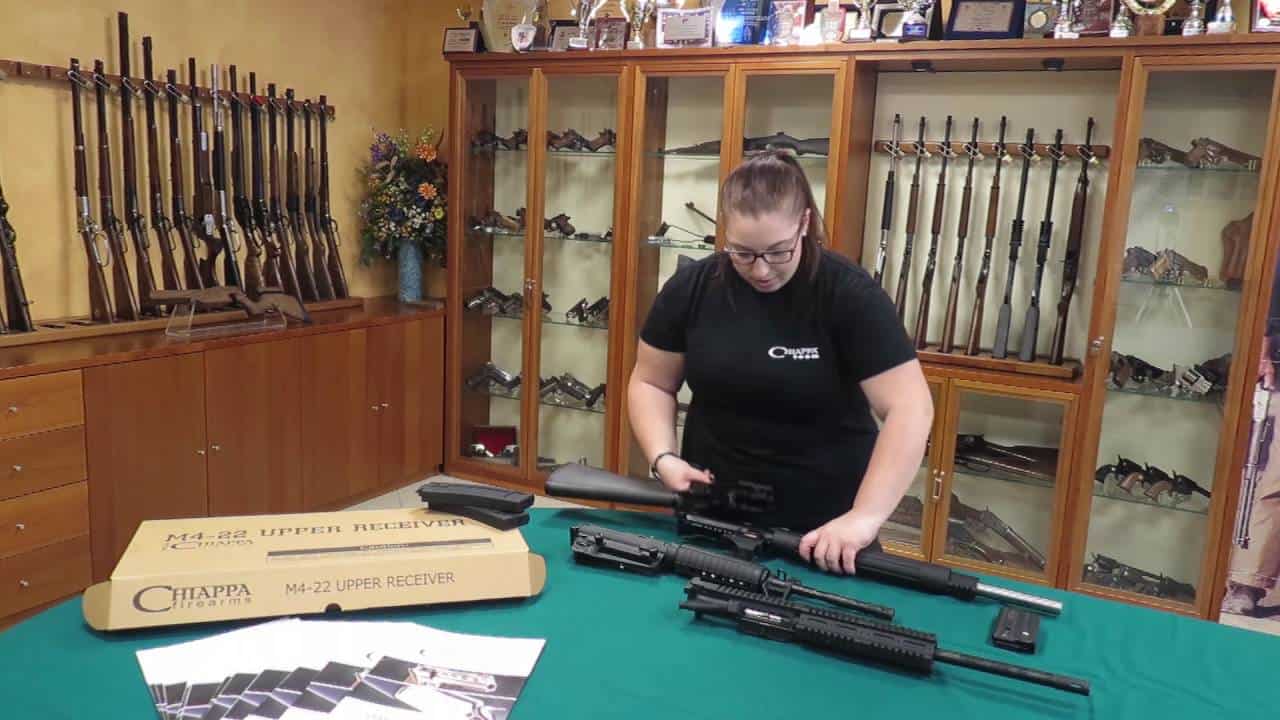 Collecting can begin as a meaningful and enjoyable pursuit. Many people find comfort, pride, and personal identity in building a collection. However, when collecting becomes all consuming, it can quietly shift from a source of satisfaction into a form of behavioral addiction. At Cueroyacero, we understand that collecting obsession is rarely about the items themselves. It is often a sign of deeper emotional needs that deserve understanding, care, and professional support. Recovery is not about losing what you love. It is about reclaiming balance, purpose, and fulfillment in your life.
When Collecting Stops Feeling Healthy
Healthy collecting brings enjoyment without creating distress. Collecting obsession, on the other hand, can begin to interfere with daily life, relationships, and emotional well being. Individuals may feel driven to acquire more items even when it causes financial strain or personal conflict. Over time, this pattern can lead to shame, anxiety, and isolation.
Common signs of collecting obsession include persistent urges to acquire items, difficulty stopping despite negative consequences, emotional distress when unable to collect, and using collecting as a primary coping strategy for stress or loneliness. Recognizing these patterns early can prevent long term harm and open the door to healing.
Understanding the Emotional Roots of Obsession
Collecting obsession often has emotional and psychological roots. For some individuals, collecting offers a sense of control during times of uncertainty. For others, it fills an emotional void created by trauma, loss, or chronic stress. Each new acquisition may provide a temporary feeling of relief or accomplishment. Unfortunately, that relief fades quickly, reinforcing a cycle that mirrors other behavioral addictions.
Common Emotional Triggers
Several factors commonly contribute to compulsive collecting behaviors:
-
Unresolved trauma or past emotional wounds
-
Anxiety or chronic stress
-
Depression or feelings of emptiness
-
Social isolation or lack of connection
-
Identity tied closely to possessions
Without addressing these underlying factors, the cycle of obsession often continues despite strong intentions to stop.
Moving From Obsession Toward Fulfillment
Recovery from collecting obsession is not about deprivation. It is about creating a fuller, more meaningful life that no longer depends on compulsive behavior. This process involves self awareness, emotional healing, and learning healthier ways to cope with life’s challenges.
Rebuilding Healthy Boundaries
One important step is setting clear boundaries around collecting. This may include limits on spending, time, or the number of items acquired. Boundaries create structure and reduce the emotional pull of compulsive urges.
Developing New Sources of Meaning
Fulfillment grows when individuals reconnect with values, relationships, and activities that bring lasting satisfaction. Creative expression, physical wellness, spiritual growth, and meaningful connection with others all support long term recovery.
How Professional Support Makes a Difference
At Cueroyacero, we offer comprehensive mental health and addiction recovery services designed to treat the whole person. Our individualized approach recognizes that each client’s journey is unique. Through inpatient and outpatient care, clients receive structured support while addressing the emotional and spiritual dimensions of recovery.
Our programs may include individual therapy, group counseling, holistic practices, and faith based guidance. These services help individuals understand emotional triggers, develop healthy coping strategies, and rebuild confidence and purpose. For many, professional support provides the clarity and encouragement needed to move beyond obsession and toward a more balanced life.
The Role of Faith and Holistic Healing
For those who value spiritual growth, faith based support can play a powerful role in recovery. Exploring purpose, forgiveness, and personal values often strengthens emotional resilience. Holistic practices such as mindfulness, movement, and creative therapies also help regulate emotions and reduce stress. When combined with evidence based mental health treatment, these approaches support lasting change. Take the First Step Toward a Fuller Life
Collecting obsession can feel overwhelming, but recovery is possible. You do not have to give up what matters to you in order to heal. With compassionate support and personalized care, it is possible to rediscover balance, joy, and fulfillment beyond compulsive behavior. At Cueroyacero, we are committed to walking alongside individuals as they reclaim their lives and build healthier futures. If collecting has begun to take more than it gives, reaching out today may be the first step toward lasting healing and renewed purpose.