Losing Balance in a Favorite Hobby? How Intense Weapon Interests Can Affect Relationships
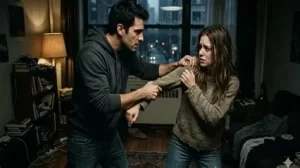
A healthy hobby can provide enjoyment, personal identity, and a welcome break from everyday stress. However, when an interest in weapon collecting begins to take priority over family, friendships, or other responsibilities, relationships can suffer. The challenge is not necessarily the interest itself, but the amount of time, attention, money, and emotional energy it receives. Understanding how intense weapon interests can affect relationships helps individuals recognize unhealthy patterns, communicate more effectively, and protect their mental well-being.
When a Favorite Hobby Starts Affecting Relationships
Personal interests are an important part of a balanced life. They give people opportunities to learn, relax, develop skills, and connect with others who share similar passions. For weapon enthusiasts, collecting may involve an appreciation for history, craftsmanship, design, or cultural significance.
Problems can develop when the hobby gradually becomes more important than other areas of life. Someone might spend most of their free time researching or discussing weaponry while giving less attention to family activities, friendships, or household responsibilities.
This change does not necessarily happen overnight. Small adjustments in daily routines can gradually create distance between people.
For example, a person may initially spend a few extra hours on a hobby each week. Over time, those hours may expand until conversations, shared activities, and important commitments are regularly postponed.
Recognizing When Enthusiasm Becomes Imbalance
An intense interest does not automatically indicate a mental health condition. The more important question is whether the activity remains manageable.
Consider these possible warning signs:
- Regularly cancelling plans to spend more time on the hobby.
- Becoming defensive whenever someone raises concerns about collecting.
- Spending money intended for shared household expenses.
- Paying less attention to a partner’s emotional needs.
- Withdrawing from friends who do not share the same interest.
- Feeling irritated when interrupted during hobby-related activities.
- Losing interest in other activities that once brought enjoyment.
When these patterns continue, they may indicate that personal interests are interfering with relationship health.
How Intense Weapon Interests Can Create Relationship Conflict
Relationships depend on communication, mutual respect, shared responsibilities, and emotional availability. When one activity consistently takes priority, these foundations can become strained.
Less Time for Family and Friends
Time is one of the most important ways people show care and commitment. Partners, children, relatives, and friends often need regular opportunities to connect.
If someone spends most evenings focused on collecting, researching, or participating in hobby-related discussions, loved ones may begin feeling overlooked.
The issue is not that every activity must be shared. Healthy relationships allow room for individual interests. However, both people should have opportunities to spend meaningful time together.
A practical approach is to establish dedicated time for family activities, conversations, and personal interests. Keeping these commitments helps prevent a hobby from gradually taking over the household schedule.
Financial Disagreements and Household Stress
Financial pressure is another common source of relationship conflict. A hobby that involves collecting can require spending on purchases, maintenance, storage, or related activities.
When spending decisions are made without considering shared financial responsibilities, partners may feel excluded or disrespected.
Even when someone can afford their hobby, disagreements may arise if the spending conflicts with shared goals, such as saving for a home, paying bills, or planning family activities.
Open financial communication can help. Couples should discuss personal spending limits, household priorities, and expectations before disagreements become recurring arguments.
Emotional Distance and Communication Problems
A person may become so focused on a personal interest that conversations increasingly revolve around that subject. Loved ones who do not share the same enthusiasm may struggle to connect.
At the same time, individuals may become frustrated when others do not understand their interests.
This can create a cycle of misunderstanding. One person feels criticized, while the other feels ignored.
Listening without judgment can help both sides understand what is happening. The goal should be to discuss the impact of the behavior rather than attack someone’s personal interests.
Understanding the Emotional Reasons Behind Intense Hobbies
Sometimes, a hobby becomes especially important because it meets emotional needs that are not being addressed elsewhere.
Understanding these motivations can help individuals recognize when they need additional support.
Using a Hobby to Manage Stress
Many people turn to familiar activities when life becomes difficult. A personal interest can provide structure, temporary distraction, and a sense of achievement.
However, relying on one activity as the main way to manage stress can create problems. Someone who consistently withdraws into a hobby whenever conflict or anxiety arises may miss opportunities to address the underlying issue.
Healthy stress management involves developing several coping strategies. Exercise, meaningful conversations, relaxation techniques, and professional counseling can all provide additional support.
Seeking Identity and Personal Validation
A specialized interest can become an important part of someone’s identity. Developing knowledge and expertise may create confidence and a sense of belonging.
However, difficulties can arise when personal identity becomes too closely tied to one activity. A person may feel misunderstood or rejected whenever someone questions the amount of attention devoted to the hobby.
Building confidence through different areas of life can help create greater emotional stability. Relationships, work, education, community involvement, and personal development all offer opportunities to establish a broader sense of purpose.
Avoiding Difficult Emotions
Sometimes, intense hobbies become a way to avoid uncomfortable feelings.
A person experiencing loneliness, relationship difficulties, grief, or anxiety may spend increasing amounts of time on an activity because it feels easier than confronting emotional challenges.
Although distraction can provide temporary relief, unresolved concerns may continue affecting mental health and relationships.
Recognizing emotional avoidance is an important step toward meaningful change.
Practical Ways to Restore Balance and Protect Relationships
Improving relationship health does not necessarily require abandoning a favorite hobby. Instead, individuals can work toward a routine that allows personal interests and important relationships to coexist.
Make Time for Meaningful Connections
Start by identifying relationships that may have received less attention recently.
Schedule regular opportunities to spend time with family and friends. These activities do not need to be elaborate. Sharing a meal, taking a walk, or having an uninterrupted conversation can help rebuild connection.
It is also important to be emotionally present. Putting away distractions during shared time demonstrates that the relationship matters.
Set Realistic Boundaries Around the Hobby
Clear boundaries can help prevent an interest from interfering with everyday responsibilities.
Consider setting limits around:
- The amount of time devoted to hobby-related activities.
- Personal spending and shared financial commitments.
- Time reserved for family and social relationships.
- Household duties and professional responsibilities.
- Activities that support physical and emotional wellness.
Boundaries should be realistic and consistent. They are not punishments. Instead, they help create a healthier structure for everyday life.
Communicate Without Blame
When a hobby becomes a source of conflict, conversations should focus on specific behaviors and their effects.
For example, saying, “I miss spending time together because we have cancelled several plans,” is generally more constructive than saying, “Your hobby matters more than this family.”
Individuals should also make an effort to understand the other person’s perspective. Healthy communication involves expressing concerns, listening carefully, and working toward practical solutions.
When Mental Health or Addiction Treatment May Be Helpful
Relationship difficulties sometimes occur alongside broader mental health concerns. Anxiety, depression, unresolved trauma, and substance use can all influence how people respond to stress and interact with others.
An intense interest in weaponry is not, by itself, evidence of addiction or mental illness. However, when a person experiences persistent distress, loss of control, or significant problems in everyday life, professional support may be beneficial.
Individual Counseling and Relationship Support
Individual counseling can help people identify emotional triggers, understand recurring behaviors, and develop healthier coping strategies.
Relationship or family counseling may also help when communication problems and ongoing conflict have developed. A trained professional can provide a structured environment where everyone has an opportunity to express concerns and work toward realistic improvements.
The focus should remain on the individual’s overall well-being rather than judging a particular hobby.
Inpatient and Outpatient Treatment Options
When mental health challenges or substance use problems become serious, different levels of treatment may be appropriate.
Inpatient treatment provides a structured environment with more intensive professional support. It may be recommended for individuals whose clinical needs require a higher level of care.
Outpatient treatment allows people to attend scheduled therapy and recovery services while continuing many everyday responsibilities.
The right approach depends on a professional assessment, the person’s symptoms, safety needs, and available support. A strong treatment plan should address the underlying concerns contributing to emotional distress and relationship difficulties.
Whole-Person and Faith-Based Support
Emotional recovery involves more than changing one behavior. Physical health, supportive relationships, personal values, and a sense of purpose can all influence long-term well-being.
Depending on individual preferences, a treatment plan may include mindfulness, exercise, stress management, healthy routines, and faith-based practices.
For people who draw strength from spirituality, prayer and supportive faith communities may provide additional encouragement. These practices can complement professional mental health care and addiction recovery services.
Building a Healthier Relationship With Your Interests
A favorite hobby should add value to everyday life rather than create repeated conflict or emotional distress. If weapon collecting has begun affecting your relationships, take time to examine how much attention it receives and what emotional needs it may be fulfilling.
Start with small, practical changes. Make time for loved ones, establish reasonable boundaries, discuss financial expectations, and develop other ways to manage stress. If these steps feel difficult or the underlying problems persist, consider speaking with a qualified mental health professional.
Conclusion: Make Room for Your Passions and the People Who Matter
Personal interests can be meaningful and rewarding, but healthy relationships also require time, attention, and emotional availability. When an intense interest in weapon collecting begins affecting family life, friendships, or personal responsibilities, recognizing the imbalance is an important first step.
You do not have to wait until relationship problems become overwhelming before seeking help. Individual counseling, family support, and appropriate addiction or mental health treatment can help address the challenges behind unhealthy patterns.
A balanced life allows room for personal interests while protecting the relationships and responsibilities that provide lasting meaning. Reaching out for professional guidance can help you rebuild that balance and move toward a healthier future.
The Psychology of Weapon Collecting: How Personal Interests Can Shape Emotional Well-Being
 Personal interests often reveal more about our emotional needs than we realize. For some people, weapon collecting reflects an appreciation for history, craftsmanship, design, or cultural significance. It can provide enjoyment, intellectual stimulation, and a sense of connection with others. However, like any intense hobby, weapon collecting can sometimes become closely tied to emotional well-being. When an interest becomes a way to manage anxiety, escape difficult feelings, or establish personal identity, understanding the psychology behind the behavior can help individuals maintain a healthier balance.
Understanding the Psychology Behind Weapon Collecting
People develop interests for many different reasons. Some enjoy learning about specialized subjects, while others appreciate the personal satisfaction that comes from building a collection or developing expertise.
Weapon collecting can offer several positive experiences, including:
- Intellectual engagement: Researching historical periods, designs, and cultural developments can encourage continuous learning.
- Personal achievement: Organizing and maintaining a collection can provide a sense of accomplishment.
- Social connection: Shared interests can create opportunities for conversation and community.
- Personal expression: A hobby may reflect someone’s curiosity, values, or appreciation for craftsmanship.
These motivations are not inherently unhealthy. In fact, meaningful interests can contribute to a satisfying lifestyle.
The important consideration is whether the activity remains enjoyable and balanced or begins to interfere with emotional health and everyday responsibilities.
Why Personal Interests Become Emotionally Important
A hobby can become a source of comfort during uncertain or stressful periods. Familiar activities often provide structure when other parts of life feel unpredictable.
For example, someone experiencing workplace pressure may find satisfaction in researching a subject they enjoy. Another person dealing with loneliness may appreciate the sense of belonging that comes from connecting with people who share similar interests.
These experiences can be positive. However, problems may arise when a hobby becomes the primary source of emotional comfort or self-worth.
How Emotional Needs Can Influence Collecting Behavior
Understanding the emotional motivations behind weapon collecting can help individuals recognize why certain interests become especially important.
The Need for Control and Stability
Life can feel overwhelming when someone faces financial difficulties, relationship conflict, career uncertainty, or personal loss.
During these periods, structured activities may provide a sense of predictability. Researching, organizing, and pursuing personal goals can offer a welcome contrast to circumstances that feel outside someone’s control.
However, relying too heavily on one hobby for stability can make it harder to address the underlying sources of stress. Developing healthy routines, maintaining relationships, and learning practical stress management skills can create additional sources of security.
Identity and Self-Confidence
Personal interests often become part of how people understand themselves. A specialized hobby can provide a sense of expertise, independence, and accomplishment.
For some individuals, however, collecting may become so closely connected to personal identity that stepping away from it feels uncomfortable. They may struggle to find confidence or meaning outside the activity.
A balanced sense of identity should include several areas of life. Relationships, work, education, creativity, community involvement, and personal growth can all contribute to self-esteem.
Stress Relief and Emotional Avoidance
Hobbies can provide a healthy break from daily pressures. Nevertheless, consistently using an activity to avoid uncomfortable emotions can create difficulties.
Someone experiencing anxiety might turn to collecting whenever worries arise. A person dealing with grief may become increasingly absorbed in a hobby to avoid painful memories.
Although distraction can offer temporary relief, it does not necessarily resolve the emotions underneath it. Recognizing when an activity is being used to avoid distress is an important step toward healthier coping.
When Weapon Collecting May Affect Emotional Well-Being
An intense interest in weaponry does not automatically indicate addiction or mental illness. The concern is whether the behavior creates persistent distress or interferes with important parts of life.
Consider these possible warning signs:
- Spending more time on the hobby than intended, even when other responsibilities need attention.
- Feeling anxious or irritable when unable to participate.
- Experiencing financial pressure connected to collecting.
- Withdrawing from family members, friends, or social activities.
- Losing interest in other hobbies and sources of enjoyment.
- Using collecting as the main response to stress, sadness, or frustration.
- Feeling unable to change the pattern despite recognizing its negative effects.
These signs should be considered in context. A person’s circumstances, emotional health, and daily functioning all matter.
Recognizing the Difference Between Enjoyment and Compulsive Behavior
A healthy interest generally allows flexibility. Someone can enjoy a hobby while taking breaks, meeting responsibilities, and maintaining other important relationships.
A potentially unhealthy pattern may feel increasingly difficult to control. The person might experience distress when unable to engage with the activity or continue prioritizing it despite repeated negative consequences.
This does not establish a diagnosis. A qualified mental health professional can help determine whether the behavior is connected to a broader emotional or psychological concern.
Practical Ways to Develop a Healthier Relationship With Personal Interests
Maintaining emotional well-being does not necessarily require giving up a meaningful hobby. Instead, individuals can work toward a lifestyle in which personal interests complement other important parts of life.
Identify Emotional Triggers
Start by noticing when the urge to focus on collecting becomes stronger.
Ask yourself:
- Am I feeling stressed, lonely, frustrated, or anxious?
- Did something happen that made me want to withdraw?
- Am I enjoying the activity, or am I trying to avoid a difficult situation?
- Have I neglected another responsibility or relationship?
Keeping a journal can help identify recurring patterns. Once you understand your triggers, you can begin choosing responses that address the underlying emotion.
Create Boundaries and Diversify Your Activities
Set realistic limits around the time and money devoted to the hobby. Make sure your schedule also includes rest, physical activity, relationships, and responsibilities.
It can also help to explore other activities that provide enjoyment and emotional fulfillment. Consider exercise, creative projects, outdoor recreation, volunteering, or learning an unrelated skill.
The purpose is not to replace one interest with another. It is to develop several healthy sources of satisfaction and stress relief.
Strengthen Supportive Relationships
Emotional well-being is strongly connected to meaningful social support. Talking with trusted people can help reduce isolation and provide different perspectives during difficult periods.
If someone close to you expresses concern about your behavior, try to listen without immediately becoming defensive. Their observations may help you recognize changes that are difficult to see on your own.
How Professional Mental Health Treatment Can Support Lasting Change
Sometimes unhealthy coping patterns are connected to deeper concerns, including anxiety, depression, unresolved trauma, or substance use. When these difficulties overlap, professional treatment can help individuals understand their experiences and develop healthier responses.
Individualized Counseling and Addiction Recovery Services
Individual counseling provides a supportive environment for exploring emotional triggers, thought patterns, and recurring behaviors.
A qualified professional can help determine whether an intense interest is connected to broader mental health concerns. If substance use is also affecting a person’s life, addiction recovery services can address those needs as part of an individualized treatment plan.
The goal is not to judge someone’s interests. It is to understand the person behind the behavior and identify the support needed for improved well-being.
Inpatient and Outpatient Treatment Options
Treatment needs vary from one individual to another. Inpatient care provides a structured setting for people who require more intensive professional support. Outpatient care allows individuals to receive treatment while continuing many everyday activities.
The appropriate option depends on clinical needs, symptoms, safety considerations, and available support.
An intense collecting interest alone does not mean someone needs inpatient or outpatient treatment. A professional assessment can help determine whether treatment is appropriate and identify the most suitable level of care.
Holistic and Faith-Based Approaches to Emotional Wellness
Whole-person healing recognizes that emotional health is connected to physical wellness, relationships, personal values, and a sense of purpose.
Depending on individual preferences, a treatment plan may incorporate mindfulness, physical activity, healthy routines, stress management, and supportive community involvement.
Faith-based practices can also provide encouragement and connection for individuals who find meaning in spirituality. These approaches can complement professional counseling and addiction treatment while respecting each person’s beliefs and goals.
Conclusion: Understand Your Interests and Protect Your Well-Being
Weapon collecting can be a meaningful interest that encourages learning, enjoyment, and personal connection. However, understanding the psychology behind the hobby can help individuals recognize when emotional needs begin influencing their behavior in unhealthy ways.
If collecting has become your primary way to manage stress, establish self-worth, or avoid difficult feelings, consider taking time to examine the pattern. Build healthy boundaries, strengthen supportive relationships, and develop additional coping strategies.
When emotional challenges become difficult to manage alone, professional support can provide guidance and practical tools for change. Whether you need individualized counseling, addiction recovery services, inpatient or outpatient care, or holistic and faith-based support, reaching out can be an important step toward improved mental wellness.
Your interests should enrich your life, not become the only source of comfort or identity you depend on. With greater self-awareness and the right support, you can maintain meaningful passions while building a healthier, more balanced, and fulfilling future.