Posted By Guest, On: April 25, 2026 , In: Uncategorized
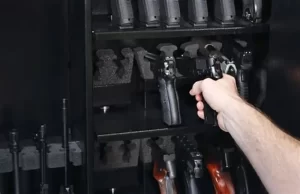 Compulsive weapon collecting is often misunderstood as simply a strong hobby or personal interest. In reality, when collecting begins to feel driven, stressful, or difficult to control, it may be connected to deeper emotional coping patterns. At Cueroyacero, we recognize that behaviors like this rarely exist in isolation. They often develop as a way to manage stress, anxiety, trauma, or emotional discomfort. Understanding this connection is an important step toward breaking the cycle and restoring balance in life.
Understanding Compulsive Weapon Collecting
Weapon collecting itself is not inherently harmful. Many individuals enjoy the history, craftsmanship, and discipline involved. However, compulsive collecting occurs when the behavior becomes emotionally driven rather than enjoyment based.
Over time, the urge to acquire or maintain items may begin to feel necessary rather than optional. This shift often signals that the behavior is serving a deeper emotional purpose.
Signs the Behavior May Be Compulsive
Some common indicators include:
- Feeling anxious or unsettled when not engaging in collecting
- Repeated urges to acquire new items even when unnecessary
- Financial strain due to ongoing purchases
- Neglecting responsibilities or relationships
- Feeling temporary relief followed by guilt or stress
When these patterns appear, the behavior may be functioning as a coping mechanism rather than a hobby.
The Emotional Coping Cycle Behind Collecting
Compulsive weapon collecting is often tied to emotional regulation. When individuals experience stress, uncertainty, or emotional discomfort, the brain naturally seeks relief. Collecting can provide a temporary sense of control, focus, or satisfaction.
How the Cycle Develops
The emotional cycle typically follows a pattern:
- Emotional stress or discomfort arises
- The urge to collect or engage with weapons increases
- Acquisition or engagement provides temporary relief
- The relief fades, leaving emotional discomfort again
- The cycle repeats with increasing intensity
This loop can become reinforcing over time, making it harder to break without support.
Emotional Drivers Behind Compulsive Collecting
Understanding the emotional roots of this behavior is essential for meaningful change. Compulsive collecting is often linked to deeper psychological needs that have not been fully addressed.
Common Underlying Factors
- Stress and Anxiety: Collecting may serve as a distraction from overwhelming emotions
- Need for Control: Structured hobbies can create a sense of stability during uncertain times
- Unresolved Trauma: Past experiences may influence coping behaviors
- Identity and Self Worth: Collecting may become tied to personal value or identity
- Emotional Numbness: The hobby may be used to fill feelings of emptiness or disconnection
When these needs are unmet, the behavior can intensify as a form of emotional regulation.
How Compulsive Collecting Affects Mental Health
While collecting may provide short term relief, compulsive patterns can contribute to long term emotional strain. Individuals may experience increased anxiety, guilt, or isolation. Relationships may become strained, and financial stress can add additional pressure.
Over time, reliance on collecting as a coping tool can prevent the development of healthier emotional skills.
How Mental Health Treatment Helps Break the Cycle
At Cueroyacero, we provide compassionate and individualized care designed to address both behavior and underlying emotional needs. Our approach focuses on long term healing, not just symptom management.
Our Integrated Treatment Approach Includes
- Inpatient and outpatient mental health and addiction care
- Individual therapy to explore emotional triggers and patterns
- Group therapy for support and shared healing experiences
- Holistic therapies such as mindfulness and stress regulation techniques
- Faith based support for those seeking spiritual grounding
- Care for co occurring mental health conditions
This comprehensive approach helps individuals understand the emotional roots of compulsive behavior and build healthier coping strategies.
Practical Steps to Begin Breaking the Cycle
Change begins with awareness and small intentional actions. Individuals can start by:
Identifying Emotional Triggers
Notice what emotions arise before the urge to collect. Stress, boredom, or sadness are common triggers.
Creating Healthy Alternatives
Replace compulsive urges with healthier coping strategies such as exercise, journaling, or social connection.
Setting Clear Boundaries
Establish limits around time, spending, and engagement with collecting.
Seeking Professional Support
Therapy or counseling can provide tools to address emotional drivers and break the cycle more effectively.
Conclusion: Moving From Coping to Healing
Compulsive weapon collecting is often less about the objects and more about the emotions behind them. When collecting becomes a way to cope with stress or emotional pain, it can create a cycle that is difficult to break alone.
At Cueroyacero, we understand these challenges and provide compassionate, personalized care to help individuals regain control, process emotional struggles, and build healthier coping strategies. If you recognize yourself in these patterns, reaching out for support can be the first step toward breaking the cycle and creating a more balanced, fulfilling life.
Posted By Guest, On: April 18, 2026 , In: Uncategorized
 Weapon enthusiasm can be a meaningful and engaging interest. For many individuals, it offers a sense of discipline, appreciation for craftsmanship, and connection to history or personal identity. However, when this passion begins to influence emotional stability, relationships, or daily responsibilities, it may signal a deeper concern. At Cueroyacero, we understand that the line between passion and dependence is not always obvious. Recognizing when enthusiasm begins to affect mental health is a powerful step toward creating balance and long term well being.
Understanding the Difference Between Passion and Dependence
A healthy passion adds value to your life. It brings enjoyment, relaxation, and a sense of purpose without interfering with other important areas. Dependence, on the other hand, occurs when the activity becomes necessary to feel stable or in control.
Weapon enthusiasm can shift into dependence when it becomes the primary way to cope with stress, anxiety, or emotional discomfort. Instead of being one part of a balanced life, it begins to take center stage.
Key Signs of Dependence
Understanding the warning signs can help you evaluate your relationship with your hobby:
- Feeling restless or anxious when you cannot engage with the activity
- Spending beyond your financial means to support the hobby
- Prioritizing the hobby over relationships, work, or responsibilities
- Using the activity as your main way to cope with difficult emotions
- Experiencing guilt or conflict related to your behavior
If these patterns are present, it may be time to explore what is driving the behavior.
The Mental Health Connection
Weapon enthusiasm can become closely tied to mental health. Many individuals turn to structured hobbies for a sense of control or relief from emotional strain. While this can be helpful in moderation, reliance on a single outlet can limit emotional growth and resilience.
Emotional Drivers Behind Dependence
Several underlying factors may contribute to dependence:
- Stress and Anxiety: Engaging with the hobby may temporarily reduce feelings of overwhelm
- Need for Control: Structured activities can provide stability during uncertain times
- Trauma or Emotional Pain: The hobby may serve as a distraction from unresolved experiences
- Identity and Self Worth: Individuals may attach their sense of value to their involvement in the hobby
Without addressing these deeper needs, dependence can continue even when it causes harm.
How Dependence Affects Daily Life
When weapon enthusiasm becomes a form of dependence, it can impact multiple areas of life. Relationships may suffer as time and attention shift toward the hobby. Financial stress can develop due to ongoing purchases. Emotional health may decline as reliance on the activity prevents the development of healthier coping strategies.
Over time, individuals may feel trapped in a cycle where the hobby provides temporary relief but contributes to long term stress.
The Role of Professional Support
At Cueroyacero, we provide compassionate, individualized care for individuals facing behavioral and mental health challenges. Our approach focuses on understanding the whole person, not just the behavior.
Our services include:
- Inpatient and outpatient treatment options tailored to individual needs
- Individual therapy to explore emotional triggers and thought patterns
- Group therapy to build connection and shared understanding
- Holistic practices such as mindfulness and stress management techniques
- Faith based support for those seeking spiritual growth
- Treatment for co occurring mental health conditions
Professional support helps individuals break patterns of dependence, develop healthier coping strategies, and rebuild a balanced life.
Practical Steps to Restore Balance
If you are concerned about your relationship with your hobby, there are steps you can take to regain control:
Increase Self Awareness
Take time to reflect on your motivations. Are you engaging out of enjoyment or to avoid difficult emotions?
Set Healthy Limits
Establish boundaries around time, spending, and frequency. Structure helps prevent the hobby from becoming overwhelming.
Develop New Coping Skills
Explore other ways to manage stress, such as exercise, creative activities, or connecting with others.
Reach Out for Support
Talking to a professional or trusted individual can provide guidance and perspective as you work toward change.
Conclusion: Choosing Balance Over Dependence
Weapon enthusiasm can be a positive and fulfilling part of life when it is balanced with emotional health and personal responsibilities. When it begins to feel like a necessity rather than a choice, it may be time to take a closer look.
At Cueroyacero, we are committed to helping individuals find clarity, healing, and balance through personalized and holistic care. If you are questioning whether your passion has become dependence, reaching out today can be the first step toward a healthier, more fulfilling life.
Posted By Guest, On: April 11, 2026 , In: Uncategorized
For many people, collecting weapons begins as a structured and meaningful hobby. It can involve appreciation for craftsmanship, history, discipline, or personal interest in mechanics and design. However, when this interest becomes overwhelming or begins to dominate thoughts, finances, or emotions, it may signal something deeper than a hobby. At Cueroyacero, we understand that weapon fixation is not simply about objects. It often reflects underlying mental health needs that deserve attention, care, and professional support.
What Weapon Fixation Really Means
Weapon fixation refers to a heightened psychological focus on acquiring, organizing, or thinking about weapons. While interest alone is not harmful, fixation can develop when the behavior becomes emotionally driven or difficult to control.
In many cases, individuals may not notice the shift right away. What begins as enthusiasm can gradually turn into a pattern where the hobby feels necessary rather than enjoyable. This is often where mental health begins to play a key role.
When Interest Becomes a Mental Health Concern
It is important to recognize that fixation is not defined by the hobby itself, but by its impact on daily life. Warning signs may include:
- Persistent thoughts about acquiring or upgrading items
- Emotional distress when unable to engage with the hobby
- Financial strain due to ongoing purchases
- Withdrawal from relationships or responsibilities
- Using collecting as the primary way to manage stress or emotions
When these patterns appear, the behavior may be connected to deeper emotional or psychological struggles.
The Emotional Cycle Behind Fixation
Weapon fixation often follows a repetitive emotional cycle. Stress or emotional discomfort builds, leading to urges to engage with the hobby. Acquiring or organizing items brings temporary relief or satisfaction. However, the relief fades, and the cycle begins again.
Over time, this can create emotional dependency on the behavior, similar to other forms of behavioral addiction. Understanding this cycle is an important step toward healing.
The Mental Health Factors Behind Weapon Fixation
Weapon fixation is often connected to underlying mental health conditions or emotional challenges. These may include anxiety, trauma, depression, or chronic stress. For some individuals, the hobby becomes a way to regain a sense of control or stability in life.
Common Psychological Drivers
Several emotional needs can contribute to fixation:
- A need for control during periods of uncertainty
- Difficulty managing stress or emotional overwhelm
- Unresolved trauma or past emotional experiences
- A desire for identity, purpose, or mastery
- Social isolation or lack of emotional support
When these needs are not addressed directly, the hobby may become the primary coping mechanism.
How Mental Health Treatment Can Help
At Cueroyacero, we approach behavioral concerns with compassion, structure, and individualized care. We understand that healing requires more than changing behavior. It requires understanding the emotional roots behind it.
Our treatment approach includes:
- Inpatient and outpatient mental health and addiction care
- Individual therapy to explore emotional triggers and thought patterns
- Group therapy for connection and shared recovery experiences
- Holistic practices such as mindfulness and stress regulation techniques
- Faith-based support for those seeking spiritual guidance
- Treatment for co-occurring mental health conditions
Through this comprehensive approach, individuals can learn healthier coping strategies and rebuild balance in their lives.
Practical Steps Toward Healthy Engagement
Even before seeking formal treatment, individuals can begin taking steps to regain balance and awareness.
Build Emotional Awareness
Pause and reflect on what drives the urge to engage with the hobby. Is it enjoyment, or is it a response to stress or discomfort?
Set Healthy Boundaries
Create limits around time, spending, and engagement. Structure can help reduce compulsive patterns.
Strengthen Alternative Coping Skills
Activities such as exercise, journaling, creative work, or social connection can help regulate emotions in healthier ways.
Seek Support Early
Talking with a trusted person or mental health professional can provide clarity and prevent patterns from worsening.
Conclusion: Looking Beyond the Collection
Weapon fixation is rarely just about the objects themselves. It is often a reflection of deeper emotional needs that have not been fully addressed. When a hobby begins to affect mental health, relationships, or daily life, it may be time to take a closer look at what is happening beneath the surface.
At Cueroyacero, we provide compassionate, individualized care designed to help people understand these patterns, heal from emotional challenges, and build healthier ways of coping. If you recognize yourself in these experiences, reaching out for support can be the first step toward clarity, balance, and long-term well-being.
Posted By Guest, On: April 1, 2026 , In: Uncategorized
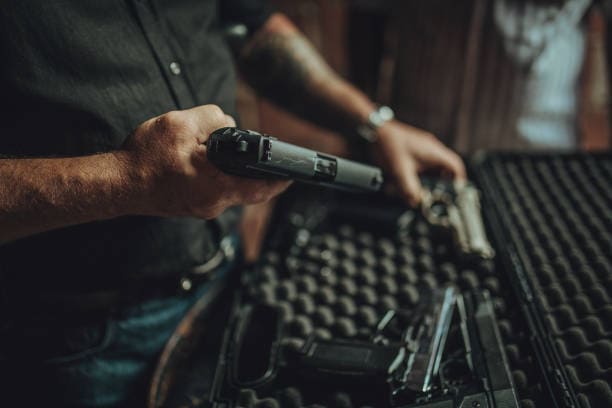
For many individuals, collecting weapons begins as a meaningful and engaging hobby. It can offer a sense of history, craftsmanship, and personal pride. However, when this interest begins to take priority over responsibilities, relationships, and emotional well-being, it may signal something deeper. At Cueroyacero, we understand that what looks like a passion on the surface can sometimes reflect patterns similar to behavioral addiction. Recognizing when a hobby starts to take over is the first step toward restoring balance and protecting your mental health.
Understanding Weapon Collecting Addiction
Weapon collecting addiction is not about the items themselves. It is about the relationship a person has with the behavior. Like other forms of behavioral addiction, compulsive collecting often involves a cycle of anticipation, temporary satisfaction, and then a return to craving. Over time, this pattern can create emotional distress and disrupt daily life.
While collecting can be healthy, addiction develops when the behavior becomes difficult to control and continues despite negative consequences. This shift may happen gradually, making it harder to recognize without honest reflection.
Signs That a Hobby Has Become a Problem
Identifying the signs of compulsive collecting is essential for early intervention. Some of the most common indicators include:
- Spending beyond your financial limits to acquire new items
- Feeling anxious, restless, or irritable when you cannot collect
- Prioritizing collecting over work, relationships, or personal responsibilities
- Hiding purchases or feeling guilt about your behavior
- Using collecting as your main way to cope with stress or emotional discomfort
If these patterns feel familiar, it may be time to take a closer look at how your hobby is affecting your life.
The Emotional Cycle Behind Compulsive Behavior
Compulsive collecting often follows a predictable emotional cycle. It may begin with stress, boredom, or emotional discomfort. The idea of acquiring a new item creates excitement and anticipation. Once the item is obtained, there is a temporary sense of relief or satisfaction. However, this feeling fades quickly, leading to renewed urges.
This cycle can mirror other forms of addiction and can be difficult to break without support.
The Role of Mental Health in Collecting Addiction
Mental health plays a significant role in the development of compulsive behaviors. Many individuals use hobbies like weapon collecting to manage underlying emotional challenges. These may include anxiety, depression, trauma, or feelings of isolation.
Common Emotional Drivers
Understanding the emotional roots of collecting addiction can help guide recovery. Some common drivers include:
- A need for control during uncertain or stressful times
- A desire for achievement or validation
- Coping with unresolved trauma or emotional pain
- Seeking identity or belonging through possessions
Without addressing these underlying factors, the behavior often continues, even when it creates harm.
How Professional Support Can Help
At Cueroyacero, we believe that healing begins with understanding the whole person. Our approach combines mental health care, addiction recovery support, and holistic healing practices to address both behavior and its root causes.
Our services include:
- Inpatient and outpatient treatment options tailored to individual needs
- Individual and group therapy to explore emotional triggers
- Holistic therapies such as mindfulness and creative expression
- Faith-based support for those seeking spiritual guidance
- Care for co-occurring mental health conditions
With the right support, individuals can break the cycle of compulsive behavior and build healthier ways to cope with life’s challenges.
Practical Steps Toward Regaining Balance
Taking action does not mean giving up your interests. It means creating a healthier relationship with them. Consider these practical steps:
Set Clear Limits
Define boundaries for spending, time, and collecting frequency. Structure helps reduce impulsive decisions.
Reflect Before You Act
Pause before making a purchase. Ask yourself what you are feeling and whether the decision is driven by enjoyment or emotional need.
Build Healthy Coping Skills
Explore alternative ways to manage stress, such as exercise, journaling, or connecting with others.
Reach Out for Support
Talking to a trusted friend, family member, or professional can provide perspective and encouragement.
Conclusion: Taking Back Control of Your Life
A hobby should add value to your life, not take control of it. If weapon collecting has begun to feel overwhelming, stressful, or difficult to manage, you are not alone. Recognizing the signs of addiction is a powerful first step toward change.