Finding Joy Without Compulsion: Strategies for a Healthy Weapon Hobby
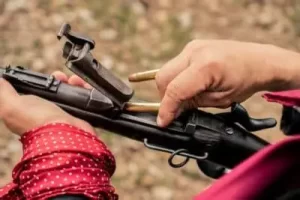 For many people, collecting or engaging with weapons can be a source of pride, learning, and personal satisfaction. The craftsmanship, history, and skill involved can provide meaningful engagement and a sense of accomplishment. However, when a hobby begins to dominate thoughts, time, or finances, it can move from enjoyment to compulsion. At Cueroyacero, we understand the importance of helping individuals maintain balance. Healthy engagement allows enthusiasts to enjoy their passion while protecting mental health and emotional well-being.
Recognizing Compulsive Patterns
Weapon collecting and engagement can become compulsive when the hobby starts to interfere with daily life. Some common indicators include:
- Excessive time spent acquiring or managing weapons
- Overspending or financial strain related to collecting
- Anxiety or frustration when unable to participate in the hobby
- Neglecting work, relationships, or other responsibilities
- Using the hobby primarily as a coping mechanism for stress or emotional discomfort
Awareness of these patterns is the first step in establishing healthier habits and reclaiming joy without compulsion.
Emotional Drivers of Compulsive Behavior
Several emotional and psychological factors often contribute to compulsive engagement with weapons:
- Control and Security: Weapons may provide a symbolic sense of power or control in uncertain situations.
- Achievement and Mastery: Collecting and skill-building offer temporary satisfaction that can reinforce repetitive behaviors.
- Stress Relief: Some individuals rely on their hobby as a primary way to cope with anxiety, trauma, or emotional strain.
- Identity and Belonging: Engagement can become tightly connected to self-esteem or social connections, making it difficult to establish boundaries.
Understanding these drivers helps individuals address the root causes rather than just the behaviors.
Strategies for Healthy Engagement
Maintaining a balanced relationship with a weapon hobby requires intentional practices. Practical strategies include:
Set Clear Boundaries
Define limits for time, spending, and acquisition. Boundaries help prevent the hobby from dominating other areas of life and reduce stress associated with compulsive behavior.
Reflect on Motivation
Before acquiring new items or engaging in activities, pause to consider whether actions are driven by enjoyment or emotional avoidance. Awareness of motivation encourages mindful participation.
Diversify Interests
Engage in alternative hobbies, exercise, or social activities to reduce dependence on a single source of emotional relief. Broadening interests supports overall mental health and resilience.
Seek Accountability
Share goals or boundaries with trusted friends, family, or mentors. Accountability helps reinforce positive habits and provides perspective when compulsive urges arise.
The Role of Professional Support
When hobbies become compulsive, professional guidance can provide insight and sustainable strategies for balance. At Cueroyacero, we offer holistic, faith-based, and individualized care to support behavioral and mental health needs. Our programs include:
- Inpatient and outpatient mental health and addiction services
- Individual and group therapy to explore emotional triggers and coping mechanisms
- Holistic practices such as mindfulness, creative expression, and physical wellness
- Faith-based counseling to strengthen emotional resilience and personal growth
- Support for co-occurring mental health conditions
Professional support ensures that the emotional drivers of compulsive behavior are addressed, allowing for healthier engagement and long-term well-being.
Enjoy Your Hobby Responsibly
A weapon hobby can remain enjoyable and fulfilling when approached with awareness, boundaries, and healthy coping strategies. Recognizing the difference between passion and compulsion is essential for maintaining balance, mental health, and meaningful relationships. At Cueroyacero, we provide compassionate, evidence-based, and holistic care to help individuals develop healthy habits, manage stress, and find fulfillment without overreliance on a single hobby. If you notice your hobby becoming overwhelming or stressful, reaching out today can help you reclaim joy, build balance, and engage in your passions responsibly.
From Collecting to Coping: Understanding the Link Between Weapons and Stress Relief
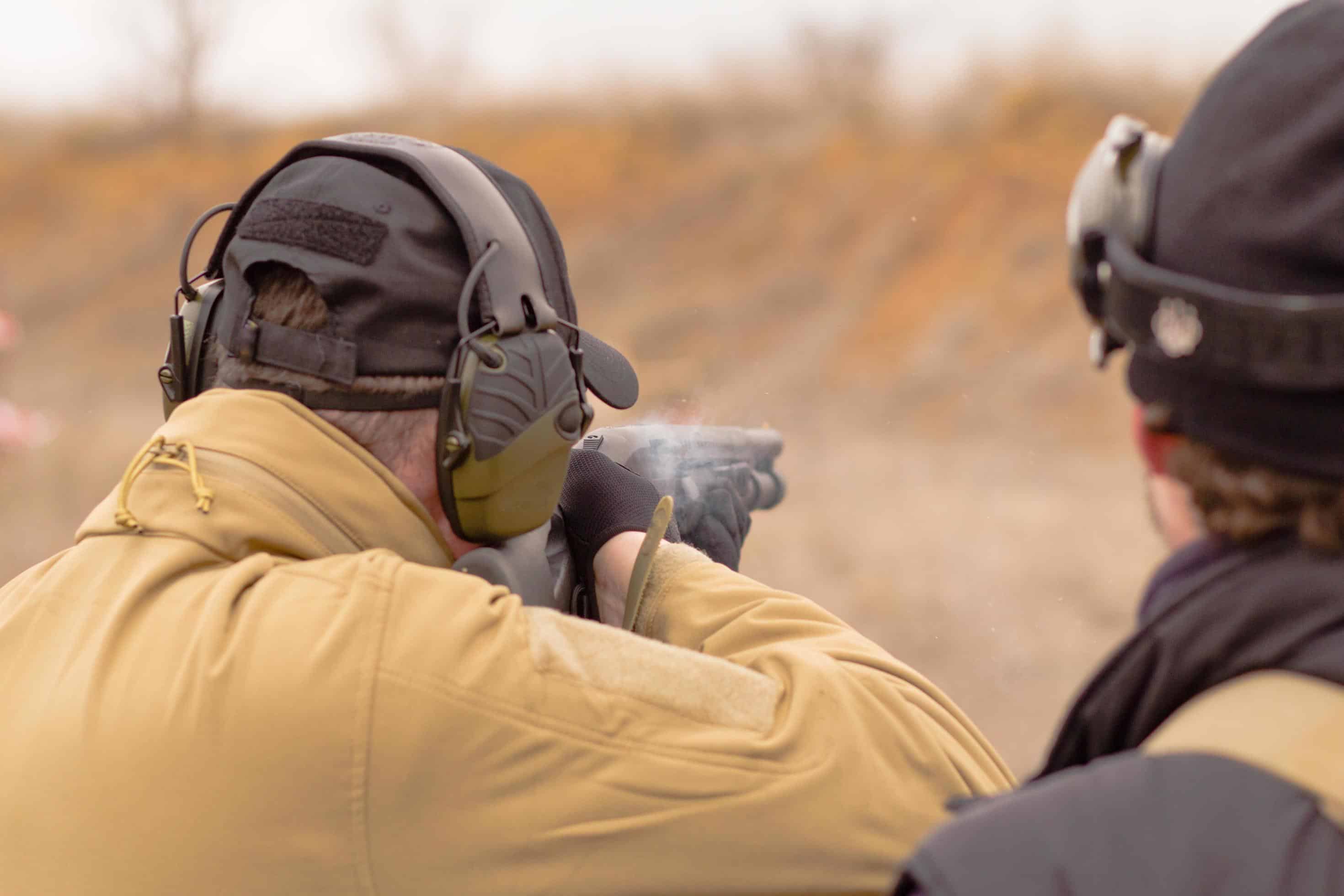 For many individuals, collecting or engaging with weapons begins as a rewarding hobby. It offers a sense of mastery, connection to history, and personal enjoyment. However, for some, this hobby can evolve into a coping mechanism for stress, anxiety, or other emotional challenges. At Cueroyacero, we recognize that weapon collecting can serve both as a source of fulfillment and, at times, a way to manage difficult feelings. Understanding this link is crucial for maintaining balance, protecting mental health, and fostering long-term well-being.
When a Hobby Becomes a Coping Mechanism
Collecting or engaging with weapons can provide temporary relief from emotional distress. The process of acquiring, organizing, or practicing with weapons can offer a sense of control, accomplishment, and focus. While these benefits can be positive, relying on a hobby primarily to cope with stress can become problematic. When emotional regulation depends on collecting or weapon engagement, patterns similar to behavioral addiction may develop.
Signs That Stress Relief is Becoming Compulsive
It can be difficult to distinguish between healthy engagement and coping-based compulsion. Some signs include:
-
Persistent anxiety when unable to engage with the hobby
-
Overspending or overcommitting time to collecting
-
Neglecting work, relationships, or daily responsibilities
-
Experiencing guilt or conflict related to hobby activities
-
Using collecting as the main method for managing stress or negative emotions
Recognizing these patterns early allows for intervention before emotional or practical consequences escalate.
Emotional Drivers Behind Weapon Engagement
Several psychological and emotional factors can contribute to using weapons as a stress-relief tool:
Control and Stability
Engaging with a hobby that requires skill or organization can provide a sense of order during uncertain times. Weapons, in particular, may offer a feeling of control or empowerment that is emotionally soothing.
Achievement and Mastery
Learning, building, or refining skills with weapons can satisfy a desire for accomplishment. These achievements can temporarily alleviate stress but may also encourage overreliance on the hobby for emotional satisfaction.
Emotional Escape
For some individuals, weapon engagement can distract from challenging feelings such as anxiety, loneliness, or past trauma. When used excessively as an emotional escape, the hobby can reinforce compulsive patterns.
How Professional Support Can Help
At Cueroyacero, we provide holistic, compassionate, and individualized care for individuals struggling with behavioral patterns, stress management, and mental health concerns. Our programs include:
-
Inpatient and outpatient mental health and addiction services
-
Individual and group therapy to identify emotional triggers and coping strategies
-
Holistic approaches such as mindfulness, creative expression, and physical wellness
-
Faith-based counseling to support spiritual growth and resilience
-
Guidance for co-occurring mental health challenges
Professional support helps individuals understand the emotional drivers behind their hobby, develop healthier coping mechanisms, and regain balance in daily life.
Strategies for Healthy Engagement
Individuals can enjoy their hobbies while using them responsibly for stress relief. Effective strategies include:
-
Set boundaries: Establish limits for time, spending, and frequency of engagement.
-
Reflect on emotional triggers: Pause to consider whether activities are driven by stress or genuine enjoyment.
-
Diversify coping methods: Incorporate exercise, social interaction, creative hobbies, or mindfulness to manage emotions.
-
Seek accountability: Share goals or limits with trusted friends, family, or mentors for guidance and perspective.
These practices support responsible engagement while reducing the risk of compulsion.
From Coping to Balance
Weapon collecting can be both a source of fulfillment and a tool for managing stress. However, when it becomes the primary method of coping, it can impact mental health and daily life. At Cueroyacero, we provide individualized, holistic care to help individuals understand their emotional drivers, develop healthier coping strategies, and achieve balance. If you find that your hobby is starting to feel like a necessity rather than a source of enjoyment, reaching out for professional support can be the first step toward a healthier, more fulfilling life. Contact Cueroyacero today to take the next step toward emotional wellness and sustainable engagement with your passions.
The Mind Behind the Metal: Emotional Drivers of Weapon Obsession
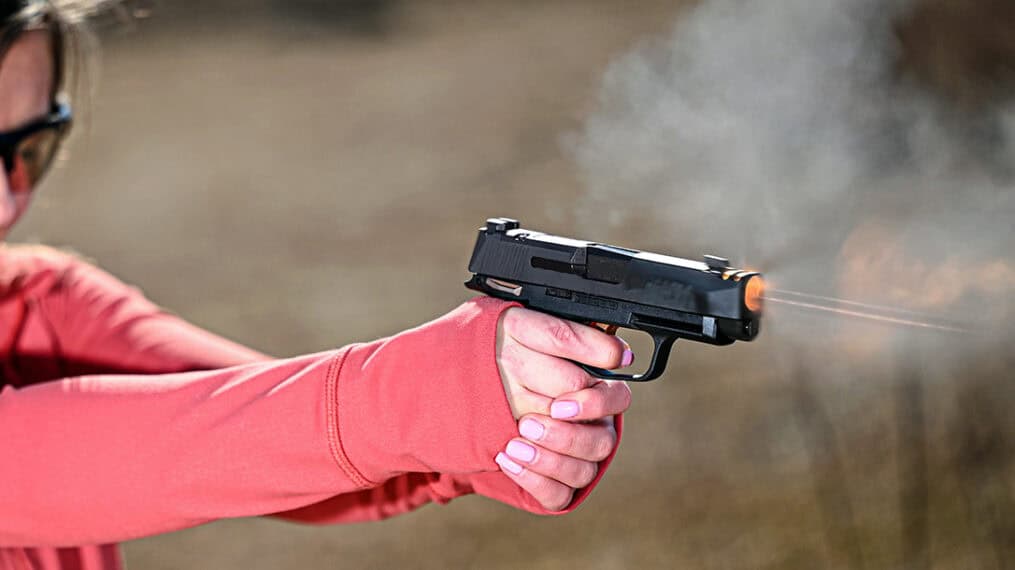 For some enthusiasts, an interest in weapons goes beyond a hobby. It can become a central focus of their daily lives, offering a sense of mastery, identity, or emotional relief. While this passion can be healthy, it may also develop into obsessive behavior that affects personal well-being, relationships, and mental health. At Cueroyacero, we understand that weapon obsession often reflects deeper emotional drivers. Recognizing these underlying factors is key to maintaining balance and building a fulfilling life.
Understanding Weapon Obsession
Weapon obsession occurs when the focus on collecting, maintaining, or engaging with weapons starts to dominate a person’s thoughts and actions. This type of behavioral pattern can mirror other forms of compulsive behavior, where temporary satisfaction or emotional relief reinforces repetitive actions. Over time, what was once a source of enjoyment can create stress, anxiety, and conflict.
Signs of Obsessive Behavior
Common indicators that a hobby has shifted into obsession include:
-
Persistent thoughts about acquiring or managing weapons
-
Anxiety or irritability when unable to engage with the hobby
-
Overspending or financial strain related to the hobby
-
Neglecting responsibilities, work, or relationships
-
Using the hobby primarily as a coping mechanism for stress or emotional discomfort
Recognizing these signs early can help individuals seek support before the obsession affects multiple areas of life.
Emotional Drivers Behind Weapon Obsession
Several emotional and psychological factors commonly contribute to obsessive behavior:
Control and Security
For some individuals, weapons symbolize control or protection. The act of collecting or handling them can provide a sense of mastery in situations where they may feel powerless.
Achievement and Mastery
Building a collection, refining skills, or reaching goals can satisfy a deep need for accomplishment. While this motivation can be positive, it can also lead to overemphasis on the hobby at the expense of other aspects of life.
Stress Relief and Coping
Weapon-related activities may offer temporary relief from stress, anxiety, or negative emotions. Using the hobby as a primary coping mechanism can create a cycle of dependence that mirrors addictive behaviors.
Identity and Belonging
Weapons can become part of an individual’s identity or social connections. Collectors may derive self-worth or a sense of belonging from their hobby, making it harder to establish healthy boundaries.
How Mental Health Support Helps
Addressing the emotional drivers behind weapon obsession often requires professional support. At Cueroyacero, we provide holistic, individualized care for those struggling with behavioral patterns and mental health concerns. Our programs offer:
-
Inpatient and outpatient mental health and addiction services
-
Individual and group therapy to explore emotional triggers and coping strategies
-
Holistic practices, including mindfulness, creative expression, and physical wellness
-
Faith-based counseling to strengthen emotional resilience and personal growth
-
Support for co-occurring mental health conditions
Professional guidance helps individuals understand the root causes of their obsession, develop healthier coping mechanisms, and restore balance to their lives.
Practical Strategies for Healthy Engagement
Individuals can maintain a passion for weapons without allowing it to become compulsive. Effective strategies include:
-
Set boundaries: Define limits for time, spending, and frequency of engagement.
-
Reflect on motivation: Ask whether actions are driven by enjoyment or emotional avoidance.
-
Diversify coping strategies: Incorporate exercise, creative activities, or social interaction to manage stress.
-
Seek accountability: Share goals and boundaries with trusted friends, family, or mentors.
These strategies support responsible engagement while protecting mental and emotional well-being.
Finding Balance and Fulfillment
Weapon obsession can be managed when approached with self-awareness, emotional insight, and professional support. At Cueroyacero, we offer compassionate, holistic care to help individuals identify underlying emotional drivers, build healthier habits, and regain balance. If weapon enthusiasm has begun to feel overwhelming or stressful, reaching out today can provide guidance, healing, and renewed purpose. Contact Cueroyacero to take the first step toward a healthier, more fulfilling life.