From Hobby to Obsession: How Weapon Collecting Can Affect Your Well-Being

For many, collecting weapons begins as a hobby, a way to appreciate history, craftsmanship, and personal expression. A carefully curated collection can provide joy, pride, and a sense of accomplishment. However, when the interest begins to dominate daily life, finances, or emotional health, it may become a source of stress or compulsive behavior. Recognizing the difference between a healthy hobby and a behavioral obsession is critical for maintaining well-being. At Cueroyacero, we understand that compulsive collecting can affect mental health just as profoundly as substance addiction, and compassionate, individualized care can help restore balance.
Recognizing the Signs of Compulsive Collecting
Hobbies enrich life, but when collecting starts to interfere with responsibilities or relationships, it may indicate a behavioral addiction. Compulsive collecting can manifest subtly, often beginning as a minor distraction before escalating into a pattern that affects emotional, social, and financial health.
Common signs that hobby may be turning into obsession:
-
Feeling anxious or restless when unable to acquire new items
-
Spending beyond personal financial limits
-
Hiding purchases or minimizing their importance
-
Neglecting work, personal responsibilities, or relationships
-
Using collecting to cope with stress, loneliness, or emotional pain
Identifying these patterns early is essential to prevent the behavior from becoming disruptive.
Understanding the Psychological Drivers
Weapon collecting often carries symbolic significance, representing control, security, or personal identity. Emotional triggers such as past trauma, stress, or social isolation can intensify compulsive behavior. Each new acquisition may bring temporary relief or excitement, but this feeling is usually fleeting, prompting further collecting.
This cycle can create emotional strain, guilt, or shame, similar to other behavioral addictions. Understanding the underlying motivations behind compulsive collecting is critical for effective intervention and long-term recovery.
Mental Health Implications
Compulsive collecting can negatively impact mental health by increasing stress, anxiety, and depressive symptoms. Individuals may feel trapped in a cycle of acquisition, unable to enjoy the hobby without feeling compelled to add more items. Co-occurring mental health conditions, including anxiety, depression, or past trauma, can exacerbate compulsive patterns.
Professional mental health care can help individuals:
-
Identify triggers and emotional drivers of compulsive collecting
-
Develop healthier coping strategies
-
Rebuild relationships and social support
-
Restore financial and emotional stability
-
Regain a sense of control and personal fulfillment
Holistic and Faith-Based Approaches to Recovery
At Cueroyacero, we emphasize a holistic, compassionate approach to recovery. Addressing behavioral addictions requires attention to emotional, spiritual, and physical well-being.
Our comprehensive programs include:
-
Inpatient and outpatient care tailored to individual needs
-
Individual and group therapy to explore emotional triggers and strengthen coping skills
-
Faith-based counseling to support spiritual growth and purpose
-
Holistic practices such as mindfulness, creative expression, and physical wellness
-
Comprehensive mental health support for co-occurring conditions
This integrated approach helps individuals move beyond compulsion and restore balance, turning their hobby back into a source of enjoyment rather than stress.
Taking Steps Toward Balanced Collecting
Recovery is not about abandoning interests—it is about regaining control and developing a healthy relationship with hobbies. With professional guidance, individuals can enjoy weapon collecting responsibly, manage emotional triggers, and restore overall well-being.
If you or a loved one notices that collecting is becoming stressful, overwhelming, or compulsive, reaching out for help is an important step. At Cueroyacero, we provide individualized care, evidence-based treatment, and holistic support to help clients reclaim their lives, restore balance, and enjoy their passions safely.
Contact Cueroyacero today to begin your journey toward recovery, mental wellness, and balanced, purposeful living.
When Passion Becomes Pressure: Mental Health Risks for Weaponry Enthusiasts
 Weapon collecting can be a fascinating and rewarding hobby. For enthusiasts, it offers a connection to history, craftsmanship, and personal expression. However, even the most enjoyable hobby can turn into a source of stress and pressure when the behavior begins to interfere with daily life, relationships, or mental well-being. Understanding the mental health risks associated with compulsive collecting is essential. At Cueroyacero, we provide compassionate care and individualized treatment to help individuals regain balance and control.
Recognizing the Shift from Hobby to Compulsion
A healthy hobby brings joy and relaxation. Compulsive collecting, on the other hand, occurs when the desire to acquire, maintain, or expand a collection becomes overwhelming, often at the expense of responsibilities, finances, or relationships.
Warning signs of compulsive collecting include:
-
Anxiety or agitation when unable to obtain new items
-
Overspending beyond personal financial limits
-
Hiding or downplaying acquisitions from family or friends
-
Neglecting work, personal obligations, or relationships
-
Using collecting as a primary way to cope with stress, loneliness, or emotional discomfort
Identifying these patterns early is critical. While passion can motivate positive engagement, compulsion can become a barrier to emotional and relational health.
Psychological and Emotional Drivers
Weapon collecting can hold symbolic meaning, representing control, identity, or security. Emotional triggers such as stress, past trauma, or social isolation can intensify compulsive behavior. Each new acquisition may provide temporary satisfaction, but that feeling often fades, prompting further collecting.
This cycle can lead to increased anxiety, depression, or emotional exhaustion. Understanding the psychological motivations behind collecting is essential to addressing the root cause of compulsive behavior rather than just the behavior itself.
Mental Health Implications
Compulsive collecting can significantly impact mental health. Individuals may experience stress, guilt, or shame, particularly when they feel unable to manage their behavior. Co-occurring conditions such as anxiety, depression, or trauma can further exacerbate compulsive patterns, making professional support vital.
Mental health treatment helps individuals:
-
Identify triggers that drive compulsive behavior
-
Develop healthier coping strategies
-
Rebuild personal relationships and social connections
-
Restore financial and emotional stability
-
Regain a sense of control and purpose
Holistic and Faith-Based Recovery Approaches
At Cueroyacero, we approach recovery from a holistic perspective. Addressing behavioral addictions involves more than stopping the compulsion—it requires healing the mind, body, and spirit.
Our treatment programs include:
-
Inpatient and outpatient care tailored to individual needs
-
Individual and group therapy for emotional exploration and coping skill development
-
Faith-based counseling integrating spiritual support into recovery
-
Holistic practices including mindfulness, creative expression, and physical wellness
-
Comprehensive mental health support for co-occurring conditions such as anxiety or depression
This integrated approach allows individuals to address the emotional, spiritual, and behavioral components of compulsive collecting, promoting long-term recovery and personal growth.
Moving Toward Balance and Well-Being
Recovery is not about abandoning interests but learning to enjoy them responsibly. By addressing the underlying emotional drivers and implementing healthy coping strategies, weapon enthusiasts can regain control and restore balance in their lives.
If collecting has begun to feel like an obligation or pressure rather than a source of enjoyment, seeking professional help is the first step toward healing. At Cueroyacero, we provide individualized, compassionate care to help individuals overcome compulsive behaviors, restore emotional health, and live purposefully.
Reach out to Cueroyacero today to take the first step toward recovery, mental wellness, and balanced enjoyment of your passions.
Weaponry Fanatic or Compulsive Collector? Understanding the Fine Line
 Collecting weapons can be a fulfilling hobby, offering enthusiasts a sense of history, craftsmanship, and personal pride. For many, it is a safe and enjoyable way to connect with a passion. However, when the hobby begins to dominate thoughts, finances, or relationships, it may be a sign of compulsive behavior. Recognizing the difference between a healthy interest and a behavioral addiction is essential. At Cueroyacero, we understand that compulsive collecting can impact mental health just as profoundly as substance addictions. Compassionate, individualized care can help individuals regain balance and control.
Defining the Difference: Hobby vs. Compulsion
A weaponry enthusiast enjoys collecting for education, craftsmanship, or personal satisfaction. Compulsive collectors, by contrast, feel an uncontrollable need to acquire, maintain, or expand their collection, often at the expense of emotional, financial, or social well-being.
Key indicators of compulsive collecting:
-
Experiencing anxiety or restlessness when unable to add to the collection
-
Spending beyond financial means to acquire new items
-
Hiding or minimizing purchases from family or friends
-
Neglecting work, personal responsibilities, or relationships
-
Using collecting to cope with stress, loneliness, or emotional pain
While a hobby can bring joy and fulfillment, compulsive behavior often leads to guilt, isolation, and emotional exhaustion. Early recognition is crucial for intervention and recovery.
The Psychological Drivers of Compulsive Collecting
Weapon collecting can hold symbolic significance, representing control, security, or identity. Emotional triggers, including stress, trauma, or social isolation, may intensify the urge to acquire. Each acquisition can offer temporary relief or satisfaction, but the compulsion often persists, creating a cycle that is difficult to break.
Behavioral addictions share similarities with substance use disorders. In both cases, individuals seek emotional or psychological reward from the behavior, which can lead to escalating patterns and negative consequences. Understanding the emotional roots of compulsive collecting is essential to breaking the cycle.
Mental Health Implications
Compulsive collecting is rarely isolated from broader mental health concerns. Anxiety, depression, or unresolved trauma can contribute to the behavior and reinforce its persistence. Collecting may provide a sense of control or escape, but it does not address underlying emotional or psychological needs.
Professional mental health support is key to recovery. Therapy helps individuals identify triggers, process emotions, and develop healthier coping strategies. Addressing both the compulsion and its underlying causes increases the likelihood of long-term recovery.
Holistic and Faith-Based Recovery Approaches
At Cueroyacero, we offer a comprehensive approach to behavioral addiction recovery. Healing involves more than stopping the compulsive behavior; it requires addressing emotional, spiritual, and physical well-being.
Our treatment approach includes:
-
Inpatient and outpatient care tailored to individual needs
-
Individual and group therapy to explore emotional triggers and reinforce coping skills
-
Faith-based counseling for those seeking spiritual support in recovery
-
Holistic practices such as mindfulness, creative expression, and physical wellness
-
Comprehensive mental health support to address co-occurring conditions like anxiety or depression
This combination of therapeutic, spiritual, and holistic support helps individuals restore balance and reconnect with healthy, fulfilling ways of living.
Moving Forward: Enjoying Your Hobby Safely
Recovery is not about abandoning interests but learning to enjoy them responsibly. By identifying compulsive patterns and addressing underlying psychological and emotional factors, individuals can regain control over their hobbies and lives.
If you or a loved one is struggling with compulsive weapon collecting, reaching out for professional help is the first step toward healing. At Cueroyacero, we provide compassionate, evidence-based care to help individuals overcome compulsive behaviors, restore emotional health, and build a purposeful, balanced life.
Contact Cueroyacero today to begin your journey toward recovery, mental wellness, and responsible enjoyment of your passions.
Restoring Balance: Mental Health Treatment for Compulsive Weapon Collectors
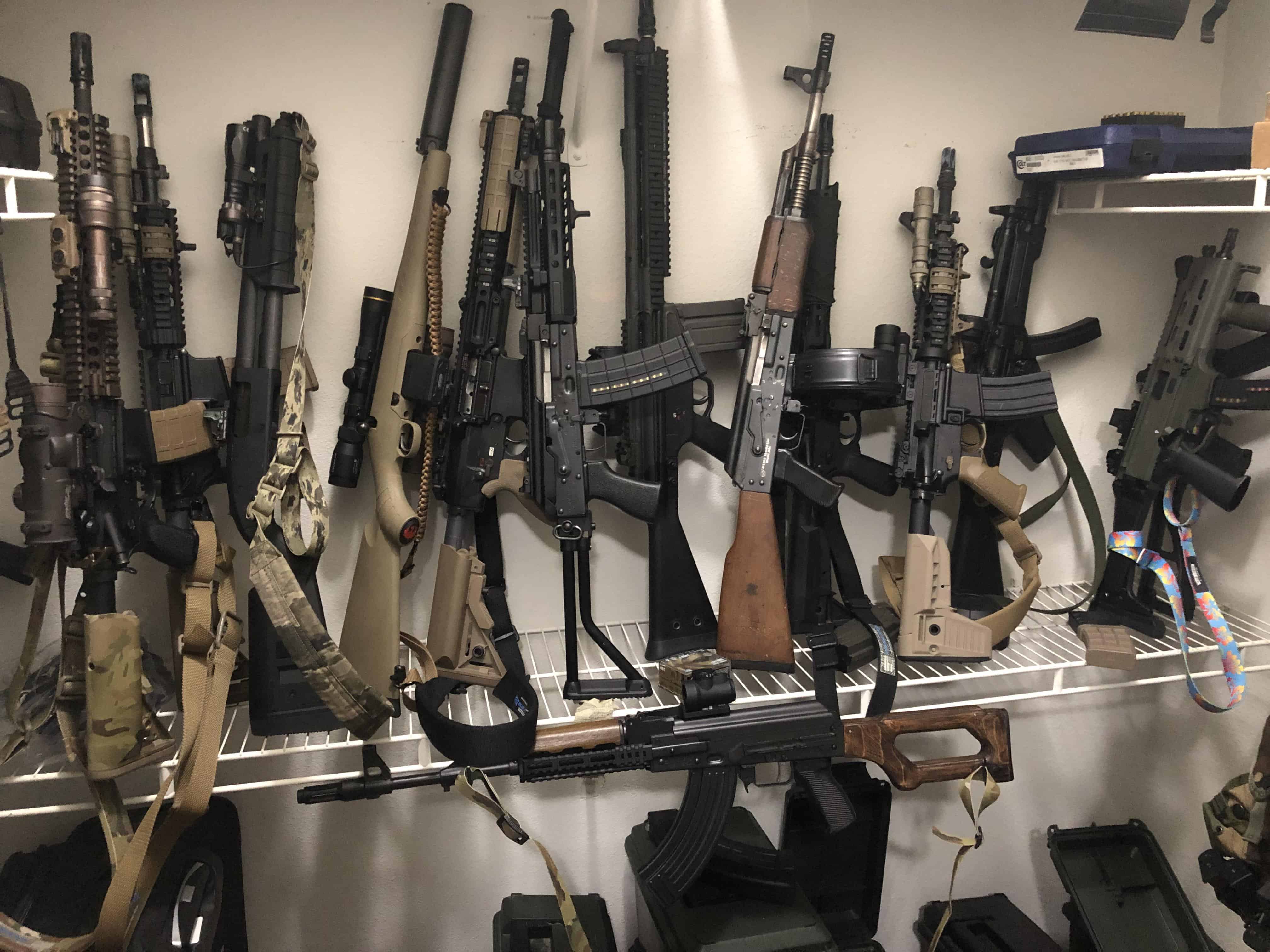 Weapon collecting can be an enjoyable and rewarding hobby, offering insight into history, craftsmanship, and personal expression. However, when collecting becomes compulsive, it can negatively impact mental health, relationships, and everyday life. Compulsive weapon collecting is a behavioral addiction that requires compassionate understanding and professional intervention. At Cueroyacero, we recognize that recovery extends beyond the behavior itself, addressing the underlying emotional, psychological, and spiritual factors that contribute to addiction.
Understanding Compulsive Weapon Collecting
Not all collectors struggle with addiction, but compulsive collecting arises when the desire to acquire, maintain, or expand a collection overrides personal responsibilities and emotional well-being. Individuals may feel driven to acquire new items despite negative consequences, creating stress and guilt.
Signs that collecting may have become a compulsion:
-
Experiencing anxiety or agitation when unable to purchase or display new items
-
Spending beyond personal financial limits to expand the collection
-
Hiding acquisitions or minimizing their significance to others
-
Neglecting work, family, or personal obligations
-
Using collecting as a coping mechanism for stress, loneliness, or trauma
Identifying these patterns early is essential for seeking professional support before the behavior escalates.
Psychological Drivers Behind the Compulsion
Weapon collecting often carries symbolic meaning, representing strength, control, or identity. Emotional triggers such as unresolved trauma, stress, or social isolation can intensify the compulsion. Each acquisition can provide temporary satisfaction or emotional relief, but the feeling is short-lived, leading to repeated behavior.
Over time, the collection itself can become a source of anxiety or shame. Understanding the emotional and psychological drivers of compulsive collecting is key to breaking the cycle and restoring balance.
The Importance of Mental Health Treatment
Compulsive behaviors rarely exist in isolation. Co-occurring mental health conditions such as anxiety, depression, or past trauma can contribute to the development and persistence of compulsive collecting. Treating both the behavior and its underlying psychological causes is essential for lasting recovery.
Professional mental health treatment helps individuals:
-
Identify emotional triggers that fuel compulsive behavior
-
Develop healthy coping mechanisms
-
Rebuild relationships and social connections
-
Restore personal and financial stability
-
Regain a sense of control and purpose
Holistic and Faith-Based Approaches to Recovery
At Cueroyacero, we provide individualized treatment that integrates evidence-based therapies, holistic practices, and faith-based support. Recovery is not just about stopping the behavior but rebuilding a balanced and meaningful life.
Our approach includes:
-
Inpatient and outpatient programs designed for flexibility and structure
-
Individual and group therapy to explore emotional patterns and strengthen coping skills
-
Faith-based counseling to incorporate spiritual growth into healing
-
Holistic therapies such as mindfulness, creative expression, and physical wellness
-
Comprehensive mental health care to address co-occurring conditions
This combination of therapeutic, spiritual, and holistic support ensures that individuals can address both the behavioral and emotional aspects of addiction.
Steps Toward Reclaiming Balance
Recovery is about more than stopping compulsive collecting—it is about restoring control, emotional resilience, and personal fulfillment. With professional guidance, individuals can learn to enjoy their hobbies responsibly, manage stress in healthier ways, and reconnect with family, friends, and themselves.
If weapon collecting has begun to feel uncontrollable or is negatively affecting your life, seeking professional help is the first step toward healing. At Cueroyacero, we provide compassionate care, evidence-based treatment, and individualized support to help individuals break free from compulsion and build a balanced, purposeful life.
Contact Cueroyacero today to begin your journey toward recovery, mental wellness, and lasting balance.