Month: July 2026

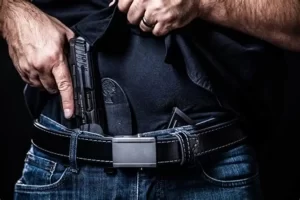
Healthy Interest or Hidden Struggle? Recognizing When Weapon Enthusiasm Affects Mental Health

A passion for collecting or studying weapons can be both rewarding and educational. Many enthusiasts appreciate historical significance, mechanical design, craftsmanship, or cultural heritage. For most people, this interest remains a balanced hobby that enriches their lives without interfering with daily responsibilities. However, there are times when enthusiasm gradually shifts into emotional dependence. When a hobby becomes the primary way to cope with stress, anxiety, or difficult emotions, it may begin affecting mental health. At Cueroyacero, we understand that behavioral patterns often reflect deeper emotional needs. Recognizing when a healthy interest becomes a hidden struggle is an important step toward building lasting emotional wellness and restoring balance.
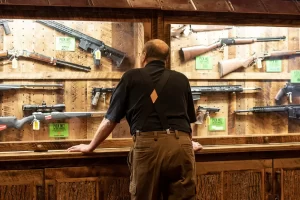
Understanding the Difference Between Passion and Emotional Dependence

Enjoying a hobby does not automatically indicate a problem. Healthy interests promote relaxation, learning, social connection, and personal satisfaction. They complement other aspects of life rather than replacing them.

The concern arises when weapon enthusiasm becomes emotionally necessary instead of simply enjoyable. At that point, the activity may begin influencing thoughts, emotions, relationships, and decision making in unhealthy ways.

Characteristics of a Healthy Hobby

A balanced interest usually allows individuals to:

  • Enjoy collecting without feeling compelled to do it constantly.
  • Maintain healthy relationships with family and friends.
  • Stay financially responsible.
  • Balance work, personal responsibilities, and recreation.
  • Step away from the hobby without experiencing significant distress.

These characteristics show that the hobby supports overall well-being instead of controlling it.

When Enthusiasm May Become a Hidden Struggle

Sometimes emotional dependence develops gradually. Warning signs may include:

  • Thinking about collecting throughout the day.
  • Feeling restless or anxious when unable to engage with the hobby.
  • Prioritizing collecting over important responsibilities.
  • Spending beyond comfortable financial limits.
  • Using collecting to avoid emotional pain or stressful situations.
  • Feeling guilty after purchases but continuing the behavior anyway.

Recognizing these signs early allows individuals to seek support before the behavior becomes more difficult to manage.

Why Weapon Enthusiasm Can Become Emotionally Significant

Every behavior serves a purpose. When collecting becomes emotionally consuming, it often reflects an attempt to meet psychological needs rather than simply expand a collection.

Coping With Stress

Life’s challenges can create ongoing emotional pressure. Researching, organizing, and acquiring collectibles may provide temporary relief by shifting attention away from stressful thoughts.

Managing Anxiety

High-intensity hobbies often create structure and predictability. For someone struggling with anxiety, this sense of order may temporarily reduce emotional discomfort.

Seeking Identity and Purpose

Many enthusiasts become experts in their chosen field. Building knowledge and sharing it with others can strengthen confidence and create a meaningful sense of identity.

While this can be positive, relying exclusively on a hobby for self-worth may create emotional vulnerability.

Escaping Difficult Emotions

Some individuals unknowingly use collecting to avoid grief, loneliness, depression, trauma, or unresolved emotional pain. Although the hobby may provide temporary comfort, the underlying challenges often remain untreated.

The Connection Between Behavioral Patterns and Mental Health

Mental health concerns and behavioral habits frequently influence one another. Anxiety, depression, chronic stress, or trauma can make emotionally rewarding activities feel increasingly necessary.

As the behavior is repeated, the brain begins associating collecting with relief and emotional comfort. This cycle can gradually strengthen over time.

The pattern often looks like this:

  1. Emotional stress appears.
  2. Collecting provides temporary relief.
  3. The brain remembers that positive feeling.
  4. Stress returns.
  5. The urge to collect becomes stronger.

Without healthier coping skills, this cycle may continue indefinitely.

Mental Health Strategies That Promote Balance

The good news is that balance can be restored without giving up meaningful interests. Recovery focuses on understanding emotional needs while developing healthier ways to meet them.

Increase Emotional Awareness

Pay attention to your emotional state before engaging in the hobby.

Ask yourself:

  • Am I collecting because I genuinely enjoy it?
  • Am I trying to reduce stress or anxiety?
  • What emotions am I experiencing today?

These questions encourage honest self-reflection.

Diversify Your Sources of Fulfillment

Healthy emotional wellness comes from multiple areas of life.

Consider spending time on:

  • Exercise
  • Creative activities
  • Volunteer opportunities
  • Family relationships
  • Spiritual practices
  • Outdoor recreation
  • Mindfulness exercises

Having several healthy outlets reduces emotional dependence on any one activity.

Establish Healthy Boundaries

Creating reasonable limits helps preserve enjoyment.

Examples include:

  • Setting a monthly collecting budget.
  • Scheduling hobby time around personal responsibilities.
  • Taking regular breaks from researching or purchasing items.
  • Avoiding emotionally driven buying decisions.

When Professional Support Makes a Difference

Sometimes deeper emotional patterns require professional guidance. At Cueroyacero, we provide compassionate care that addresses both mental health concerns and behavioral challenges through individualized treatment plans.

Individual Therapy

Personal counseling helps identify emotional triggers, improve coping skills, and build healthier thinking patterns.

Inpatient and Outpatient Programs

Whether someone needs intensive support or flexible outpatient care, treatment is tailored to meet each person’s unique circumstances.

Holistic Healing

Mindfulness, wellness activities, nutrition, stress management, and healthy lifestyle practices support recovery from the inside out.

Faith-Based Care

For individuals who desire spiritual support, faith-based services provide hope, encouragement, and renewed purpose throughout the healing journey.

Integrated Mental Health Treatment

Anxiety, depression, trauma, and compulsive behaviors often occur together. Treating these conditions simultaneously improves long-term recovery outcomes.

Recovery Is About Balance, Not Perfection

Healing does not mean abandoning meaningful hobbies. Instead, it means ensuring that personal interests enhance life rather than control it.

Developing emotional awareness, strengthening coping skills, and seeking support when needed allows individuals to enjoy their passions while maintaining healthy relationships, emotional resilience, and personal well-being.

Conclusion: Choose Wellness Without Losing Your Passion

Weapon enthusiasm can remain a rewarding hobby when it exists within a healthy, balanced lifestyle. However, if collecting begins affecting emotional health, relationships, finances, or daily functioning, it may be time to look beyond the hobby itself.

At Cueroyacero, we believe every behavior has a story, and every individual deserves compassionate care that addresses the root causes behind emotional struggles. Through personalized mental health treatment, addiction recovery services, inpatient and outpatient care, holistic therapies, and faith-based support, we help individuals build healthier coping strategies and rediscover emotional balance. If your passion has become a hidden source of stress, reaching out for professional support can be the first step toward lasting healing and a healthier future.

Beyond the Collection Room: Exploring the Emotional Triggers Behind Weapon Obsession

For many people, collecting weapons is a hobby rooted in an appreciation for history, craftsmanship, engineering, or cultural significance. It can encourage learning, discipline, and responsible ownership while providing a sense of accomplishment. However, there are times when collecting evolves beyond personal enjoyment and becomes emotionally consuming. When thoughts about acquiring, researching, or expanding a collection begin to dominate daily life, it may reflect deeper emotional struggles rather than simple enthusiasm. At Cueroyacero, we understand that behaviors often develop as responses to emotional needs. Exploring the emotional triggers behind weapon obsession can help individuals recognize unhealthy patterns and take meaningful steps toward healing and balance.
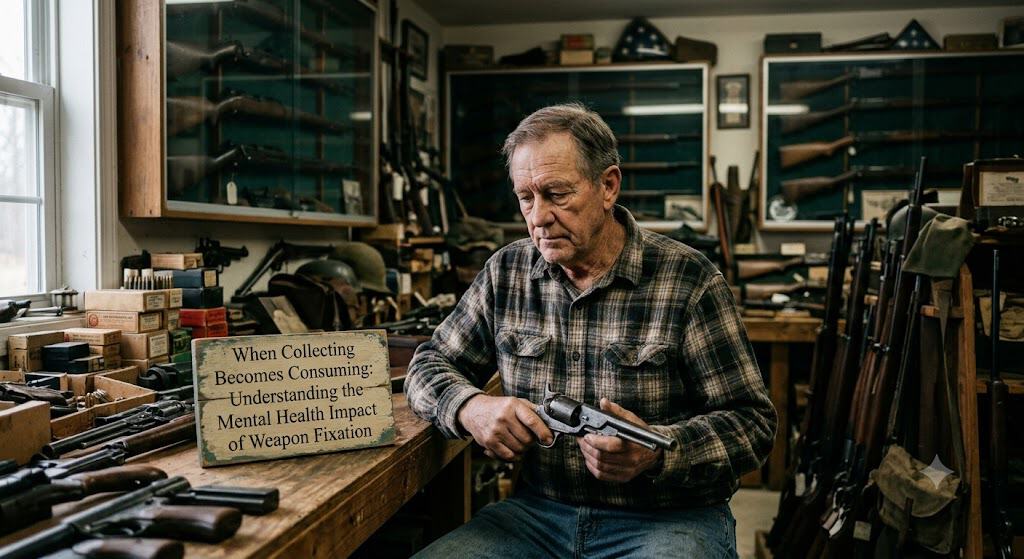
Understanding the Difference Between Interest and Obsession

A healthy hobby enhances life without taking it over. It brings satisfaction while allowing room for relationships, work, personal growth, and self-care. Obsession, on the other hand, can gradually narrow a person’s focus until the activity becomes emotionally necessary.

Weapon obsession is not defined by the size of a collection or the level of knowledge someone has. Instead, it is characterized by the emotional dependence placed on the hobby and the impact it has on overall well-being.

Signs That a Hobby May Be Becoming Emotionally Driven

Some warning signs include:

  • Constant thoughts about collecting or finding the next acquisition
  • Feeling anxious or frustrated when unable to engage with the hobby
  • Spending excessive amounts of time or money despite negative consequences
  • Neglecting relationships, responsibilities, or personal health
  • Using collecting as the primary way to cope with stress or emotional discomfort

Recognizing these behaviors early creates opportunities for positive change.

Emotional Triggers That Can Fuel Weapon Obsession

Compulsive behaviors rarely develop without an emotional purpose. Often, the activity provides temporary relief from difficult emotions or unmet psychological needs.

Stress and Emotional Overload

Periods of chronic stress can leave individuals searching for activities that provide focus and relief. Collecting offers structure and predictability, which may temporarily reduce feelings of overwhelm.

Anxiety and the Need for Control

When life feels uncertain, organized hobbies can create a reassuring sense of order. Researching, organizing, and expanding a collection may provide temporary emotional stability.

Loneliness and Isolation

Some individuals become deeply invested in collecting because it fills emotional gaps created by loneliness or limited social connection. The hobby may become a dependable source of comfort.

Unresolved Trauma

Past emotional experiences can shape present behaviors in powerful ways. Collecting may become an unconscious strategy for avoiding painful memories or difficult emotions that have not been fully processed.

Identity and Self-Worth

Weapon collecting may become closely connected to personal identity. Knowledge, expertise, and achievement within the hobby can strengthen confidence, but emotional dependence can develop if self-worth becomes tied primarily to collecting.

How Emotional Coping Can Become a Behavioral Pattern

The brain naturally seeks relief from discomfort. When collecting consistently provides positive emotional experiences, the brain begins to associate the behavior with comfort and security.

Over time, this cycle may become increasingly automatic:

  1. Stress or emotional discomfort appears.
  2. Collecting provides temporary relief.
  3. The relief reinforces the behavior.
  4. Emotional distress returns.
  5. The urge to collect grows stronger.

This repeating cycle resembles many other behavioral addictions, where the behavior itself becomes the primary method of emotional regulation.

The Mental Health Impact of Weapon Obsession

When emotional dependence develops, the effects often extend beyond the hobby itself.

Emotional Consequences

Individuals may experience:

  • Increased anxiety
  • Persistent stress
  • Mood changes
  • Feelings of guilt after purchases
  • Difficulty relaxing without engaging in the hobby

Personal and Relationship Challenges

Obsessive collecting can create financial pressure, conflict with loved ones, reduced social engagement, and neglect of important responsibilities.

These challenges do not mean someone lacks discipline or willpower. They often indicate that emotional needs deserve compassionate attention and professional support.

How Professional Treatment Helps Address Emotional Triggers

At Cueroyacero, we believe lasting recovery begins with understanding the emotional reasons behind behaviors rather than simply trying to eliminate them. Every person’s experiences are unique, which is why our treatment approach is personalized and compassionate.

Individual Therapy

Counseling helps individuals identify emotional triggers, challenge unhealthy thought patterns, and build healthier coping strategies.

Inpatient and Outpatient Programs

Flexible levels of care allow treatment to meet each person’s needs while supporting long-term recovery.

Holistic Healing

Mindfulness, stress management, wellness practices, and lifestyle support strengthen both emotional and physical health.

Faith-Based Support

For those who value spiritual growth, faith-based care provides encouragement, hope, and renewed purpose throughout recovery.

Treatment for Co-Occurring Conditions

Anxiety, depression, trauma, and behavioral concerns often occur together. Treating these conditions as a whole promotes more meaningful and lasting healing.

Healthy Ways to Restore Balance

Healing does not require giving up every meaningful interest. Instead, it involves creating healthier emotional habits while maintaining perspective.

Increase Self-Awareness

Pay attention to the emotions that trigger the strongest urge to collect. Awareness is the foundation of change.

Diversify Emotional Outlets

Develop additional coping skills through exercise, creative activities, supportive relationships, mindfulness, or volunteering.

Create Practical Boundaries

Establish realistic limits for spending, collecting time, and emotional investment.

Reach Out for Professional Guidance

Mental health professionals can provide valuable insight, practical strategies, and compassionate support for lasting emotional wellness.

Conclusion: Healing Begins Beyond the Collection

Weapon collecting can remain an enjoyable and meaningful hobby when it exists within a balanced lifestyle. However, when emotional triggers begin driving obsessive behaviors, it may be time to look beyond the collection itself and explore what is happening beneath the surface.

At Cueroyacero, we provide compassionate, individualized care that addresses both behavioral patterns and the emotional experiences behind them. Through mental health treatment, addiction recovery services, inpatient and outpatient care, holistic therapies, and faith-based support, we help individuals develop healthier coping skills and rediscover emotional balance. If collecting has become more about managing emotions than pursuing a genuine interest, seeking professional support can be the first step toward healing, renewed confidence, and lasting well-being.

When Collecting Becomes Consuming: Understanding the Mental Health Impact of Weapon Fixation

Collecting can be a meaningful hobby that brings enjoyment, curiosity, and a sense of accomplishment. For many people, weapon collecting reflects an appreciation for history, craftsmanship, engineering, or personal interests. However, there are situations where collecting shifts from a healthy pastime into a consuming focus that begins to affect emotional health, relationships, and daily responsibilities. At Cueroyacero, we understand that behaviors are often connected to deeper emotional experiences. When a hobby becomes difficult to control, exploring the mental health factors behind it can help individuals regain balance and develop healthier coping strategies.
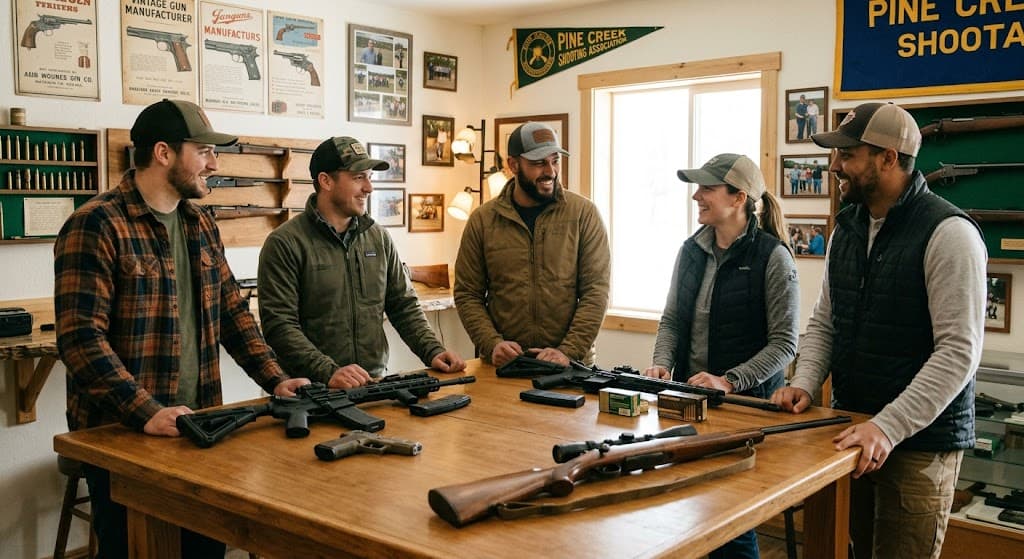
Understanding Weapon Fixation and Mental Health

A strong interest in weapons does not automatically indicate a mental health concern. Many individuals participate in collecting as a responsible and enjoyable activity. The concern begins when the interest becomes overwhelming, emotionally driven, or difficult to manage.

Weapon fixation refers to an intense preoccupation with weapons or collecting that may interfere with other aspects of life. It is not defined by the hobby itself, but by the impact it has on a person’s thoughts, emotions, and behavior.

Healthy Collecting vs Consuming Behavior

A healthy collection usually:

  • Provides enjoyment and personal fulfillment
  • Fits within financial and time boundaries
  • Allows room for relationships and responsibilities
  • Remains a choice rather than a necessity

A consuming pattern may involve:

  • Constant thoughts about acquiring or researching weapons
  • Difficulty stepping away from the hobby
  • Emotional distress when unable to participate
  • Spending beyond personal limits
  • Using collecting as the main way to handle stress or difficult emotions

Recognizing this difference can help individuals understand when support may be beneficial.

Why Weapon Fixation Can Develop

Behavioral patterns often serve an emotional purpose. For some individuals, collecting provides more than enjoyment. It may create feelings of control, security, identity, or relief from emotional discomfort.

The Need for Control and Structure

Life can feel unpredictable during times of stress, anxiety, or major change. A structured hobby can offer organization and predictability. Researching items, maintaining a collection, and following a routine may create temporary feelings of stability.

Coping With Stress and Anxiety

Some individuals turn to intense hobbies as a way to manage overwhelming emotions. The concentration required for collecting can provide a temporary escape from worries or difficult thoughts.

Emotional Connection and Identity

Collections often represent personal interests, achievements, and knowledge. Over time, some individuals may begin to connect their self-worth or identity strongly with the hobby, making it harder to maintain perspective.

Reward and Reinforcement

The process of finding, purchasing, or adding something new to a collection can create feelings of excitement and satisfaction. These rewarding experiences may encourage repeated behavior, especially during emotionally challenging periods.

Signs That Collecting May Be Affecting Well-Being

Recognizing changes early can help prevent a hobby from becoming harmful. Some signs that weapon fixation may be impacting mental health include:

Increased Emotional Dependence

The collection becomes the main source of comfort, confidence, or relief from negative emotions.

Reduced Interest in Other Activities

Relationships, work, family time, or other hobbies begin receiving less attention.

Difficulty Controlling Behavior

A person may continue collecting despite financial concerns, personal conflict, or a desire to reduce the behavior.

Feelings of Stress or Guilt

Instead of providing enjoyment, the hobby creates pressure, anxiety, or regret.

These patterns may indicate that deeper emotional needs require attention.

How Mental Health Support Can Help

At Cueroyacero, we believe meaningful healing begins by understanding the reasons behind behaviors. Rather than focusing only on changing actions, our compassionate approach explores the emotional experiences, thoughts, and challenges that contribute to those behaviors.

Personalized Treatment for Emotional Wellness

Support may include:

Individual Therapy

One-on-one counseling helps individuals identify emotional triggers, understand behavioral patterns, and develop healthier coping methods.

Inpatient and Outpatient Care

Different levels of treatment provide support based on each person’s needs, goals, and recovery journey.

Holistic Approaches

Mindfulness practices, stress management techniques, and wellness-focused strategies support emotional and physical healing.

Faith-Based Support

For individuals seeking spiritual guidance, faith-based care can provide encouragement, connection, and purpose.

Co-Occurring Mental Health Treatment

Many behavioral struggles occur alongside anxiety, depression, trauma, or other mental health concerns. Addressing these challenges together creates a stronger foundation for recovery.

Creating a Healthier Relationship With Your Interests

A meaningful hobby does not have to be abandoned to achieve balance. The goal is to create a healthier relationship with the activity.

Practice Awareness

Pay attention to the emotions connected to collecting. Consider whether the hobby brings genuine enjoyment or primarily provides emotional relief.

Set Healthy Boundaries

Create limits around time, spending, and involvement to prevent the hobby from becoming overwhelming.

Build Additional Coping Skills

Develop other ways to manage emotions, such as exercise, social connection, creative activities, mindfulness, and relaxation practices.

Seek Professional Guidance

A mental health professional can help uncover underlying concerns and provide tools for lasting emotional balance.

Conclusion: Finding Balance Beyond the Collection

Weapon collecting can remain a rewarding and meaningful interest when it exists as one healthy part of a balanced life. However, when collecting becomes consuming, emotionally necessary, or difficult to control, it may be a sign that deeper support is needed.

At Cueroyacero, we provide compassionate, individualized care that helps individuals understand behavioral patterns, strengthen emotional resilience, and develop healthier ways to cope. Through addiction recovery services, mental health treatment, inpatient and outpatient care, holistic approaches, and faith-based support, we help people move toward lasting wellness. If your relationship with collecting has become overwhelming, reaching out for support can be the first step toward restoring balance and creating a healthier future.

Finding Balance Again: Mental Health Strategies for High-Intensity Weapon Enthusiasts

A strong passion can bring purpose, knowledge, and personal fulfillment. For many weapon enthusiasts, collecting, studying, or appreciating historical and mechanical craftsmanship is a rewarding hobby that encourages learning and discipline. However, when that passion begins to consume more time, emotional energy, or attention than intended, it may affect overall well-being. At Cueroyacero, we understand that even healthy interests can become emotionally overwhelming when they are used to cope with stress, anxiety, or other mental health challenges. Finding balance again is not about giving up a meaningful hobby. It is about building a healthier relationship with it while caring for your emotional health.

Why High-Intensity Hobbies Can Affect Mental Health

Many hobbies require dedication and focus. High-intensity interests often become an important part of a person’s identity and daily routine. While this level of engagement can be positive, it may also increase emotional dependence if the hobby becomes the primary source of comfort or stability.

Weapon enthusiasm can provide structure, achievement, and a sense of community. These benefits are valuable. However, if the hobby begins replacing healthy coping skills or interfering with daily life, it may be time to evaluate whether emotional balance has shifted.

Signs That Balance May Be Changing

A few warning signs include:

  • Constant thoughts about collecting or researching new items
  • Difficulty enjoying time away from the hobby
  • Spending more money or time than originally planned
  • Feeling anxious, frustrated, or restless when unable to engage
  • Neglecting family, work, friendships, or personal wellness
  • Using the hobby to avoid stress or difficult emotions

Recognizing these patterns early makes it easier to restore a healthier balance before the behavior becomes more deeply rooted.

Understanding the Emotional Needs Behind Intense Interests

People rarely become deeply attached to an activity without an emotional reason. Often, the hobby fulfills important psychological needs that may not be immediately obvious.

Seeking Stability During Stress

Periods of uncertainty, personal loss, or emotional pressure often increase the desire for activities that provide predictability and routine.

Managing Anxiety

Detailed hobbies encourage concentration, which can temporarily quiet anxious thoughts and reduce emotional overwhelm.

Building Confidence

Knowledge, expertise, and achievement within a hobby can strengthen self-esteem and provide a sense of accomplishment.

Escaping Emotional Pain

For some individuals, collecting becomes a temporary escape from grief, loneliness, trauma, or depression. Although the relief feels genuine, the underlying emotions often remain unresolved.

Understanding these emotional connections helps remove self-judgment and opens the door to healthier coping strategies.

Healthy Mental Health Strategies for Weapon Enthusiasts

The goal is not to eliminate a meaningful interest. Instead, it is to make sure the hobby remains one positive part of a balanced and fulfilling life.

Develop Greater Self Awareness

Take time to notice when your interest feels most intense.

Ask yourself questions such as:

  • Am I collecting because I enjoy it?
  • Am I trying to reduce stress or difficult emotions?
  • How do I feel if I cannot engage with this hobby today?

Honest reflection often reveals valuable insights.

Create Healthy Boundaries

Setting practical limits can help maintain balance.

Healthy boundaries may include:

  • Creating a monthly collecting budget
  • Scheduling dedicated hobby time
  • Prioritizing family, work, and personal responsibilities
  • Avoiding impulsive purchases during periods of emotional stress

Boundaries support long-term enjoyment while reducing emotional dependence.

Strengthen Other Sources of Fulfillment

Emotional resilience grows when life includes multiple meaningful experiences.

Consider adding:

  • Regular physical exercise
  • Volunteer work
  • Creative hobbies
  • Time with supportive family and friends
  • Mindfulness or meditation practices
  • Outdoor activities that promote relaxation

Diversifying your interests helps prevent any one activity from carrying the full weight of emotional well-being.

When Professional Support Can Help

Sometimes emotional patterns become difficult to manage alone. If collecting has become closely connected to anxiety, depression, trauma, or compulsive behaviors, professional support can provide meaningful guidance.

At Cueroyacero, we offer compassionate, individualized care that focuses on understanding the whole person rather than simply addressing symptoms.

Our Comprehensive Treatment Approach

Our services may include:

Individual Therapy

Therapists work collaboratively with each person to explore emotional triggers, behavioral patterns, and healthy coping strategies.

Inpatient and Outpatient Programs

Flexible treatment options allow individuals to receive the level of care that best supports their recovery journey.

Holistic Therapies

Mindfulness, wellness activities, stress reduction techniques, and healthy lifestyle practices strengthen emotional and physical well-being together.

Faith-Based Support

For individuals seeking spiritual guidance, faith-based care provides encouragement, hope, and purpose throughout recovery.

Treatment for Co-Occurring Mental Health Conditions

Anxiety, depression, trauma, and behavioral concerns are often interconnected. Treating them together creates a stronger foundation for lasting healing.

Building Long-Term Emotional Balance

Recovery is not about perfection. It is about developing awareness, practicing healthy habits, and responding to emotional challenges with compassion rather than avoidance.

A balanced lifestyle includes meaningful hobbies, supportive relationships, healthy coping skills, and the willingness to seek help when needed. Over time, these habits strengthen resilience and improve overall quality of life.

Conclusion: Your Passion Can Remain Part of a Healthy Life

Weapon enthusiasm can continue to be an enjoyable and rewarding hobby when it exists within a balanced lifestyle. The key is recognizing when emotional needs begin driving the behavior rather than simple enjoyment.

At Cueroyacero, we believe lasting wellness comes from addressing the emotional experiences behind behaviors while supporting the whole person through compassionate, individualized care. Our addiction recovery services, mental health treatment, inpatient and outpatient programs, holistic therapies, and faith-based support are designed to help individuals rediscover balance and build healthier coping strategies. If your passion has begun to feel overwhelming, reaching out for professional support can be the first step toward renewed emotional health, stronger relationships, and a more fulfilling future.

Behind the Obsession: The Psychology Driving Weapon Collecting Behaviors

Weapon collecting is a hobby that attracts people for many different reasons. Some are fascinated by history, craftsmanship, engineering, or cultural significance. Others appreciate the discipline and knowledge that come with building a thoughtful collection. In many cases, this interest remains healthy and enriching. However, when collecting begins to feel emotionally necessary or increasingly difficult to control, it may reflect deeper psychological patterns rather than simple enthusiasm. At Cueroyacero, we recognize that behaviors are often shaped by emotional experiences, mental health challenges, and personal coping strategies. Understanding the psychology behind weapon collecting behaviors can be the first step toward greater self-awareness and lasting emotional wellness.

Why People Develop Strong Collecting Behaviors

Collecting is a natural human behavior. People collect books, artwork, coins, sports memorabilia, antiques, and many other items because collecting provides enjoyment and meaning. The activity itself is not unhealthy.

The concern arises when collecting becomes tied to emotional survival rather than personal enjoyment. Instead of being one meaningful part of life, it begins to dominate thoughts, decisions, and emotional well-being.

Healthy Collecting vs Obsessive Patterns

A healthy collector usually enjoys the hobby without sacrificing other areas of life. They can step away without significant emotional distress and maintain healthy relationships, financial stability, and personal responsibilities.

Obsessive collecting behaviors may involve:

  • Constant preoccupation with acquiring new items
  • Difficulty resisting the urge to collect
  • Emotional discomfort when unable to engage in the hobby
  • Financial or personal consequences that continue despite growing concerns
  • Using collecting to manage difficult emotions

Recognizing these differences can help individuals understand whether their interest has become emotionally driven.

The Psychology Behind Obsessive Collecting

Human behavior is rarely random. Every habit develops because it serves a purpose, even if that purpose is not immediately obvious. For some people, weapon collecting becomes connected to emotional regulation rather than simple enjoyment.

The Need for Emotional Control

Periods of uncertainty, stress, or major life changes can leave people feeling overwhelmed. Collecting creates order through organization, research, and structured goals. This sense of predictability can temporarily reduce anxiety.

The Brain’s Reward System

Every new acquisition can trigger the release of dopamine, a neurotransmitter associated with pleasure and motivation. Over time, the brain may begin to seek that rewarding feeling more frequently, making collecting increasingly difficult to moderate.

This process is similar to other behavioral patterns in which short-term rewards reinforce repeated actions.

Identity and Self Worth

Many hobbies become part of a person’s identity. Collecting may provide a sense of expertise, achievement, or belonging within a community. While this can be positive, relying on one activity for self-worth may create emotional vulnerability if the hobby begins to dominate daily life.

Escaping Emotional Pain

Some individuals turn to collecting during periods of grief, loneliness, depression, trauma, or chronic stress. The hobby offers distraction and temporary relief from painful emotions. Although this coping strategy may help in the short term, it often leaves underlying emotional issues unresolved.

How Obsessive Collecting Can Affect Mental Health

When collecting becomes emotionally driven, it may gradually affect several aspects of life. Individuals might experience increasing anxiety, financial pressure, conflict with loved ones, or feelings of isolation.

Some common warning signs include:

Emotional Dependence

The hobby becomes the primary source of comfort, making it difficult to manage emotions without it.

Loss of Balance

Time spent collecting begins to replace relationships, work responsibilities, physical health, or other meaningful activities.

Persistent Anxiety

Instead of bringing enjoyment, collecting creates pressure, urgency, or fear of missing opportunities.

Guilt and Frustration

Many people recognize the behavior is becoming difficult to manage, yet still struggle to reduce it.

These patterns are not signs of failure. They often reflect unmet emotional needs that deserve compassionate attention.

How Mental Health Treatment Can Make a Difference

At Cueroyacero, we believe lasting recovery begins with understanding the reasons behind behavior rather than simply trying to eliminate it. Our individualized approach addresses both emotional health and behavioral patterns to create meaningful, sustainable change.

Individual Therapy

Personal counseling helps uncover emotional triggers, identify unhealthy thought patterns, and develop healthier coping strategies.

Inpatient and Outpatient Treatment

Whether someone needs structured residential care or flexible outpatient support, treatment plans are tailored to meet individual needs.

Holistic Healing

Mindfulness, wellness practices, stress management, and healthy lifestyle habits support emotional healing alongside traditional therapy.

Faith Based Support

For individuals who value spiritual growth, faith-based services provide encouragement and hope throughout the recovery journey.

Treatment for Co-Occurring Disorders

Anxiety, depression, trauma, and other mental health conditions often exist alongside compulsive behaviors. Treating both simultaneously leads to stronger long-term outcomes.

Building a Healthier Relationship With Your Interests

Healing does not require abandoning meaningful hobbies. Instead, it involves creating a balanced relationship with them.

Practice Self Awareness

Notice what emotions tend to trigger the strongest desire to collect.

Expand Your Coping Skills

Develop additional ways to manage stress through exercise, creative activities, supportive relationships, mindfulness, or volunteer work.

Maintain Healthy Boundaries

Set reasonable limits on spending, collecting time, and emotional investment.

Reach Out for Help

Professional support can provide insight, practical tools, and compassionate guidance when behaviors begin affecting overall well-being.

Conclusion: Looking Beyond the Collection

Weapon collecting can be an enjoyable hobby that reflects genuine appreciation and personal interest. However, when collecting becomes emotionally consuming, it is often a sign that deeper psychological needs deserve attention.

At Cueroyacero, we provide compassionate, individualized care that helps people understand the emotional patterns behind compulsive behaviors while supporting lasting recovery through mental health treatment, addiction services, holistic healing, and faith-based care. If collecting has become more about emotional survival than personal enjoyment, seeking help today can open the door to greater balance, healthier coping strategies, and a more fulfilling life.