When Weapon Enthusiasm Meets Everyday Stress: Recognizing the Impact on Mental Health
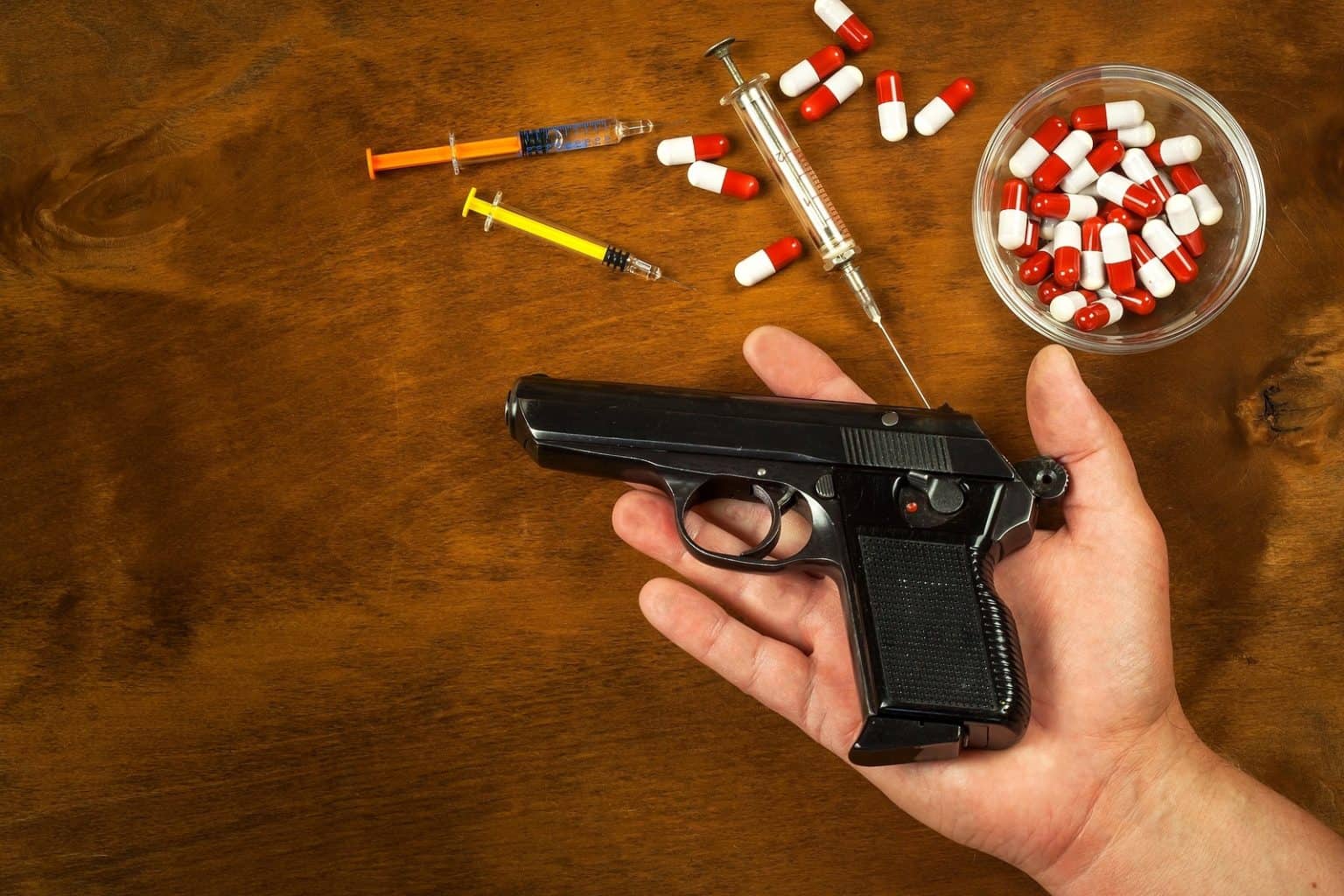
A passion for weaponry can offer a sense of enjoyment, connection, and personal accomplishment. For many enthusiasts, collecting reflects an interest in history, craftsmanship, or specialized knowledge. However, when everyday stress begins to shape how someone engages with this hobby, it may be worth taking a closer look at its impact on mental health. Recognizing the difference between a healthy interest and an unhealthy coping pattern can help individuals protect their emotional well-being, maintain meaningful relationships, and seek support when needed.
Understanding the Connection Between Weapon Enthusiasm and Mental Health
Having a strong interest in weaponry does not automatically indicate a mental health condition or addiction. People can dedicate considerable time to a hobby while maintaining healthy relationships, meeting responsibilities, and enjoying a balanced life.
The concern arises when the interest becomes a person’s primary way of managing stress or difficult emotions. For example, someone dealing with workplace pressure might spend increasingly long periods focused on collecting to avoid thinking about unresolved problems. Another person experiencing loneliness may turn to the hobby whenever social situations feel uncomfortable.
Although these activities may provide temporary relief, they do not always address the underlying source of distress.
Mental wellness involves the ability to manage everyday challenges, adapt to change, maintain supportive relationships, and find fulfillment in different areas of life. When a single interest begins to overshadow these needs, it may be time to reassess the role it plays.
When a Passion Starts to Feel Compulsive
A healthy hobby generally remains a choice. You can enjoy it, take breaks, and attend to other priorities without experiencing significant distress.
An unhealthy pattern may involve feeling restless when unable to engage with the hobby, repeatedly spending more time or money than intended, or continuing despite negative consequences.
These behaviors do not establish a diagnosis on their own. However, if the pattern causes persistent distress or interferes with everyday functioning, professional guidance can help identify what may be contributing to it.
How Everyday Stress Can Influence Intense Weapon Interests
Stress affects people differently. Some become more withdrawn, while others seek distraction, structure, or activities that provide a sense of accomplishment. A hobby can serve as a healthy outlet, but relying on it exclusively may create difficulties over time.
Looking for Control During Uncertain Times
Financial concerns, relationship difficulties, professional demands, and unexpected life changes can leave people feeling uncertain about the future.
A structured interest may offer a welcome sense of order. Learning about a subject, organizing personal belongings, or working toward a goal can provide a feeling of progress when other parts of life seem difficult to manage.
However, if someone depends on one hobby to feel secure, uncertainty elsewhere may become harder to tolerate. Developing other coping strategies, such as practical problem-solving, healthy routines, and supportive relationships, can help create a more stable emotional foundation.
Using a Hobby to Escape Difficult Feelings
A favorite activity can provide a temporary break from worry or frustration. Nevertheless, repeatedly using a hobby to avoid emotions may prevent someone from understanding and addressing those feelings.
For example, a person experiencing anxiety might become intensely focused on collecting whenever worries arise. Someone struggling with grief or relationship conflict might turn to the hobby rather than talk about what hurts.
Distraction is not inherently unhealthy. The important question is whether it has become the only way to handle emotional discomfort.
Learning to identify feelings, communicate needs, and seek help when necessary can make it easier to respond to stress without relying on a single activity.
Finding Identity and a Sense of Belonging
Specialized interests can contribute to a person’s identity. They may encourage learning, create opportunities for social connection, and provide a sense of achievement.
Problems can arise when an interest becomes the primary source of self-worth. Someone may feel empty or uncertain when they cannot participate, or they may withdraw from other activities that once brought satisfaction.
A balanced sense of identity includes several sources of meaning, such as relationships, work, creative pursuits, community involvement, physical wellness, and spiritual practices. These connections can support emotional resilience during stressful periods.
Recognizing Signs That Stress Is Affecting Your Hobby
It is helpful to recognize changes before they begin to affect multiple areas of life. Consider whether your relationship with weaponry has changed in ways that cause concern.
Possible warning signs include:
- Spending more time on the hobby than intended, even when other responsibilities need attention.
- Feeling unusually anxious, irritable, or restless when unable to participate.
- Experiencing financial pressure because of repeated spending related to collecting.
- Neglecting sleep, work, family commitments, or friendships.
- Losing interest in other activities that previously felt rewarding.
- Using the hobby to avoid nearly every uncomfortable emotion.
- Experiencing recurring conflict with loved ones about time, priorities, or spending.
- Feeling concerned about your behavior but finding it difficult to make changes.
One sign alone does not mean a person has a mental health disorder. Context matters, including how long the pattern has continued and how significantly it affects daily functioning.
Identify Your Personal Stress Triggers
Self-awareness can help you understand when a hobby is supporting your well-being and when it may be serving as an escape.
Before turning to collecting, pause and ask yourself:
- What am I feeling right now?
- Did something stressful happen today?
- Am I choosing this activity because I enjoy it, or because I want to avoid a problem?
- Have I neglected an important responsibility or relationship?
- What else might help me manage this feeling?
Writing down your answers can reveal patterns. You might notice that the urge to focus on your interests becomes stronger after a difficult conversation, a stressful workday, or a period of isolation.
Once you recognize these triggers, you can begin choosing responses that address the underlying need.
Practical Ways to Protect Your Mental Wellness
Maintaining emotional health does not necessarily mean abandoning a meaningful hobby. Instead, the goal is to develop a healthier relationship with the activity while strengthening other ways to cope with everyday pressure.
Set Boundaries Around Time and Spending
Realistic boundaries can help prevent a hobby from taking priority over essential responsibilities.
Consider setting aside specific periods for your interests while protecting time for relationships, exercise, rest, and work. Establish a reasonable budget and avoid making impulsive decisions when you feel overwhelmed.
If you notice that stress is driving your behavior, pause before acting. Take a few minutes to identify your emotions and consider whether another response would be more helpful.
Boundaries are not punishments. They help you make deliberate choices and maintain control over how you spend your time and energy.
Build a Healthier Coping Toolbox
Relying on one activity for emotional relief can make it difficult to manage stress when that activity is unavailable or no longer satisfying. Developing several coping strategies creates more flexibility.
Helpful options include:
- Physical activity: Walking, exercising, or spending time outdoors can support mood and help reduce tension.
- Mindfulness: Breathing exercises and grounding techniques can help you respond more calmly to stressful situations.
- Journaling: Writing about your feelings can reveal recurring concerns and emotional triggers.
- Social connection: Talking with trusted friends or family members can reduce isolation.
- Creative activities: Exploring art, music, reading, or another hobby can provide different sources of enjoyment.
- Healthy routines: Consistent sleep, balanced meals, and regular breaks can support overall well-being.
- Spiritual practices: Prayer, reflection, or faith-based community involvement may offer comfort when these practices align with your beliefs.
Start with one or two changes that feel manageable. Consistent small steps can gradually improve your ability to handle emotional pressure.
When Professional Mental Health Treatment May Help
Sometimes stress is connected to deeper concerns that are difficult to address alone. Persistent anxiety, depression, unresolved trauma, relationship difficulties, or substance use concerns may influence how a person copes with everyday life.
Professional support can help individuals understand these connections and develop practical strategies for lasting change.
Individualized Counseling and Addiction Recovery
Individual counseling provides an opportunity to explore emotional triggers, recurring behaviors, and unhelpful coping patterns in a supportive setting. A qualified professional can assess whether an underlying mental health concern requires treatment.
For people experiencing substance use challenges alongside mental health difficulties, integrated addiction recovery services can address both concerns. Treatment may focus on strengthening coping skills, improving emotional regulation, rebuilding relationships, and establishing healthier routines.
Importantly, an intense interest in weaponry is not automatically an addiction. Treatment decisions should be based on an individual’s actual needs, symptoms, and level of impairment rather than assumptions about their hobby.
Understanding Inpatient and Outpatient Care
The appropriate level of care depends on a person’s symptoms, safety, support system, and clinical needs.
Inpatient treatment offers a structured environment for individuals who require more intensive support. Outpatient care allows people to receive professional services while continuing many daily responsibilities.
Neither option is automatically necessary because someone has a strong interest or experiences stress. A qualified provider can help determine whether treatment is appropriate and recommend a level of care suited to the individual’s circumstances.
Holistic and Faith-Based Approaches to Healing
Whole-person wellness recognizes that emotional health is connected to physical health, relationships, personal values, and a sense of purpose.
Depending on individual preferences, a treatment plan may incorporate mindfulness, physical wellness, stress management, supportive relationships, and faith-based practices. These approaches can complement professional counseling and addiction treatment.
The most effective support is individualized, compassionate, and respectful of each person’s beliefs and goals. Recovery is not about changing someone’s identity or eliminating every personal interest. It is about helping them develop healthier ways to manage challenges and build a more fulfilling life.
Conclusion: Make Mental Wellness Part of the Picture
Weapon enthusiasm can remain a meaningful interest while a person maintains healthy relationships, fulfills responsibilities, and manages everyday stress. The key is recognizing when the hobby begins to replace other coping strategies or negatively affect emotional well-being.
If you notice that stress is changing your relationship with collecting, start by identifying your triggers, establishing practical boundaries, and reconnecting with activities and people that support you. If anxiety, emotional distress, or unhealthy coping patterns conti
Finding Help Without the Guesswork: A Canadian Employee’s Guide to Mental Health and Addiction Resources

Finding the right mental health or addiction support should not feel like another problem to solve when life is already difficult. For Canadian employees experiencing anxiety, depression, burnout, alcohol misuse, or drug dependence, knowing where to turn can be one of the biggest barriers to getting help. Workplace benefits and Employee Assistance Programs (EAPs) can provide a starting point, but understanding treatment options, confidentiality, costs, and next steps is equally important. With clear information and access to appropriate professional care, employees can make informed decisions about their well-being and take meaningful steps toward recovery.
Why Finding Mental Health and Addiction Support Can Be Difficult
Many workplaces offer resources intended to support employee well-being. However, employees may not know what their benefits cover, how to contact an EAP, or whether they need counselling, specialized addiction treatment, or more intensive care.
Stigma can create another barrier. Someone struggling with substance use may fear being judged by colleagues or viewed as unreliable by management. Others may worry that disclosing a mental health concern could affect their career. These fears can lead people to delay seeking help, even when their health, relationships, or work performance are suffering.
Practical concerns matter, too. Treatment costs, long wait times, transportation, family responsibilities, and work schedules can make accessing care more complicated.
The first step is understanding that help can come from several sources. Employees do not have to identify the perfect treatment option on their own. They can begin with a trusted resource and seek guidance from qualified professionals.
Start With Your Employee Assistance Program
An Employee Assistance Program is often one of the most accessible starting points for workers who need mental health or addiction support. Employers may provide EAP services as part of their workplace benefits.
Depending on the provider, an EAP may offer short-term counselling, crisis support, referrals to addiction treatment, and guidance for personal or family difficulties. Some programs also provide support for financial stress, workplace conflict, grief, and other challenges that affect well-being.
How to Access EAP Services
If you are unsure whether your workplace offers an EAP, check your employee handbook, benefits portal, or human resources information. You can also ask HR how to contact the provider without sharing unnecessary personal details.
Before using the service, consider asking:
- What counselling and support services are included?
- Are appointments available in person, by phone, or online?
- Can the provider refer me to specialized addiction treatment?
- Are there limits on the number of counselling sessions?
- What are the confidentiality policies and their applicable limits?
- What other benefits may help cover ongoing treatment?
These questions can help you understand what to expect and avoid unnecessary delays.
Understand Confidentiality Before You Begin
Privacy concerns often prevent employees from using workplace support. It is reasonable to want reassurance about how personal information will be handled.
Ask the EAP provider to explain its confidentiality practices, including any legal or safety-related exceptions. Employers generally do not need an employee’s detailed clinical information to discuss appropriate workplace arrangements. However, the exact privacy rules depend on the service, circumstances, and applicable law.
Understanding these boundaries can help you make an informed decision about seeking support.
Know Which Mental Health Treatment Options Are Available
Mental health treatment can take different forms depending on a person’s symptoms, preferences, and clinical needs. Some people benefit from short-term counselling, while others require ongoing therapy, medical care, or specialized services.
Counselling and Outpatient Mental Health Care
Outpatient care allows individuals to attend appointments while continuing to live at home. Services may include individual therapy, group counselling, psychiatric appointments, and support for managing stress, anxiety, depression, or other concerns.
For employees, outpatient treatment may offer flexibility. Appointments can sometimes be scheduled outside working hours or conducted virtually, depending on the provider.
If work demands make attendance difficult, consider whether flexible scheduling or other reasonable workplace accommodations may help. Consistent participation can be an important part of addressing mental health concerns before they become more disruptive.
When More Intensive Mental Health Support May Be Needed
Some situations require more support than regular outpatient appointments can provide. Intensive programs, day treatment, or inpatient services may be considered when symptoms are severe or daily functioning is significantly affected.
A qualified healthcare professional can assess your circumstances and discuss the appropriate level of care. If you are experiencing an immediate mental health crisis or are at risk of harming yourself or someone else, seek urgent assistance through local emergency services or a crisis service.
The important point is that asking for help does not commit you to one particular treatment option. It opens the door to an assessment and a clearer understanding of what may help.
Finding the Right Addiction Recovery Resources
Addiction can affect physical health, emotional well-being, relationships, finances, and employment. Yet many people delay seeking treatment because they believe they should be able to stop using substances without assistance.
Alcohol or drug dependence can involve complex physical, psychological, and social factors. Professional treatment can help individuals understand these factors, manage risks, and develop a plan for recovery.
Outpatient Addiction Treatment
Outpatient addiction services may include individual counselling, group therapy, substance use education, recovery planning, and follow-up support. This option allows people to attend treatment while living at home.
Outpatient care may be appropriate for individuals whose clinical needs can be managed safely without residential supervision. It can also help people maintain family responsibilities and, where appropriate, continue working while receiving care.
However, treatment suitability should be determined with qualified professionals. Some substances can cause dangerous withdrawal symptoms, and abruptly stopping alcohol or certain drugs without medical advice can be risky.
Inpatient and Residential Addiction Treatment
Inpatient or residential treatment offers a more structured environment for people who need intensive support. Depending on the program, services may include medical assessment, addiction counselling, group therapy, mental health care, and planning for continued recovery.
Time away from everyday pressures can give individuals an opportunity to focus on their health and address patterns that contribute to substance use.
Before choosing a program, ask about its clinical services, qualifications, approach to co-occurring mental health conditions, aftercare planning, and costs. Also, clarify whether medical detoxification is available or whether a separate service is required.
The best treatment choice is not necessarily the most intensive one. It is the option that appropriately addresses the individual’s needs and supports their safety and recovery goals.
Look for Treatment That Addresses the Whole Person
Recovery involves more than stopping substance use or reducing symptoms. People may also need to address stress, relationship difficulties, physical health, emotional triggers, and daily habits.
A treatment plan that considers these factors can help individuals build a more stable foundation for long-term well-being.
Individualized and Holistic Care
Individualized treatment takes a person’s history, health needs, circumstances, and goals into account. Two people experiencing similar concerns may need different services because their experiences and support systems are different.
Depending on clinical needs, treatment may include evidence-based psychotherapy, medical care, group support, family counselling, and relapse prevention planning.
Holistic approaches may complement professional treatment by addressing sleep, nutrition, physical activity, mindfulness, stress management, and healthy routines. These practices can support overall well-being, but they should not replace necessary medical or psychological care.
When considering a treatment provider, ask how the program adapts care to individual needs and how it supports people after formal treatment ends.
Faith-Based Support and Personal Beliefs
For some people, spirituality and faith are important sources of strength during recovery. Faith-based counselling, prayer, or participation in a supportive religious community may provide connection, meaning, and encouragement.
These resources can complement professional addiction treatment when they align with the individual’s beliefs and preferences. They should be offered as a choice, not an expectation.
A respectful recovery plan recognizes that people draw strength from different places. The aim is to find support that feels appropriate while ensuring clinical needs receive proper attention.
What to Do When Cost or Work Responsibilities Get in the Way
Even when employees are ready to seek help, practical barriers can make treatment difficult to arrange. Understanding your options can make the process more manageable.
Review Your Benefits and Coverage
Check whether your workplace plan includes psychotherapy, addiction counselling, prescription medication, residential treatment, or other relevant services. Coverage varies by employer and insurance provider, so confirm the details before committing to a program.
If your benefits do not cover everything, ask the provider about payment arrangements or lower-cost options. Depending on your location and needs, public health services, community organizations, and other local resources may also offer assistance.
Discuss Leave and Workplace Accommodations
Some employees can attend appointments outside working hours. Others may need temporary scheduling changes, medical leave, or an extended absence for treatment.
If you need workplace support, contact HR or the appropriate person responsible for leave and accommodations. You can ask about the process without disclosing more personal information than necessary.
Relevant options depend on your circumstances, employer policies, and applicable employment and human rights requirements. Getting clear information early can help you plan treatment without unnecessary uncertainty.
How Employers Can Make Access to Care Easier
Employees should not have to work through a complicated system to find help. Employers can make a real difference by ensuring workplace resources are visible, accessible, and easy to understand.
Practical steps include:
- Sharing EAP contact details regularly.
- Explaining available mental health and addiction benefits.
- Training managers to respond to concerns without judgment.
- Providing clear information about leave and accommodation procedures.
- Protecting employee privacy and explaining confidentiality accurately.
- Helping employees find qualified providers and appropriate referral pathways.
- Reviewing feedback to identify barriers to accessing services.
The Canadian Employee Assistance Program Association (CEAPA) focuses on helping Canadian employees access the support they need. Employers can advance this goal by making assistance programs easier to use and helping workers connect with appropriate professional and community resources.
A workplace culture that treats mental health and addiction as legitimate health concerns can also reduce stigma. When employees see that asking for help is accepted, they may feel more comfortable taking action before a problem becomes a crisis.
Conclusion: Take the First Step Toward the Support You Need
Finding mental health and addiction resources in Canada becomes easier when you know where to begin, what questions to ask, and which services may be available. An EAP can provide an initial connection, while counselling, outpatient treatment, inpatient care, and ongoing recovery services may offer additional support depending on your needs.
You do not have to solve every problem before reaching out. Start by reviewing your benefits, contacting an EAP, speaking with a healthcare professional, or asking a trusted person to help you explore treatment options. If withdrawal may be dangerous or your symptoms are severe, seek prompt medical attention.
The right support should reflect your circumstances, respect your choices, and help you move toward better health. Asking for help is a practical step, not a personal failure. With clear information and appropriate care, you can begin building a path toward recovery and lasting well-being.
When Weapon Collecting Feels Like a Need: Understanding the Emotions Behind the Habit
Weapon collecting can begin with a genuine interest in history, craftsmanship, design, or the stories behind particular items. For many enthusiasts, it is a rewarding hobby that encourages learning and personal connection. However, when weapon collecting starts to feel less like a choice and more like an emotional necessity, it may be time to look at what is driving the behavior. Understanding the connection between weapon collecting, stress, and mental health can help individuals recognize unhealthy coping patterns, regain balance, and find healthier ways to manage difficult emotions.
When Weapon Collecting Becomes More Than a Hobby
A meaningful hobby can bring structure and enjoyment to everyday life. It can provide a welcome distraction after a difficult day and offer opportunities to develop knowledge, skills, and friendships. There is nothing inherently unhealthy about having a strong interest in weaponry.
The concern begins when collecting takes on a different emotional role. Instead of being something a person enjoys, it may become something they feel they need in order to feel calm, secure, or in control.
For example, someone dealing with workplace pressure might spend increasing amounts of time researching their collection to avoid thinking about stressful responsibilities. Another person experiencing loneliness may turn to the hobby whenever relationships feel difficult. Although this behavior may provide temporary relief, it does not necessarily resolve the emotions underneath it.
The important question is not how much someone enjoys collecting. It is whether the behavior is affecting their emotional well-being, relationships, finances, or daily responsibilities.
Recognizing the Difference Between Passion and Compulsion
Healthy enthusiasm usually allows room for other priorities. A person can enjoy their interests while maintaining relationships, meeting obligations, and participating in other activities.
An unhealthy pattern may involve feeling distressed when unable to engage with the hobby, repeatedly spending more time or money than intended, or continuing despite clear negative consequences.
These signs do not automatically indicate addiction or a mental health disorder. However, when a behavior becomes difficult to control and causes significant distress, professional guidance may help clarify what is happening.
Understanding the Emotions Behind the Habit
People develop coping habits for many reasons. Sometimes a behavior becomes appealing because it provides a sense of stability during an uncertain period. In other cases, it offers an escape from emotions that feel difficult to understand or express.
Exploring these emotional needs can help a person respond to them more effectively.
The Desire for Control and Security
Life can feel unpredictable when someone is dealing with financial problems, relationship conflict, grief, or professional uncertainty. During these periods, a structured hobby may offer a sense of order.
Collecting can involve research, organization, and personal goals. These activities may feel manageable even when other parts of life seem overwhelming.
However, if collecting becomes the primary way someone feels secure, their ability to manage uncertainty may become increasingly dependent on that activity. Developing other sources of stability, such as supportive relationships, healthy routines, and practical problem-solving skills, can help restore balance.
Avoiding Stress, Anxiety, or Emotional Pain
A hobby can provide a healthy break from difficult circumstances. Nevertheless, repeatedly using an activity to avoid uncomfortable feelings can make those feelings harder to address over time.
Someone experiencing anxiety might become deeply absorbed in collecting whenever worries arise. A person dealing with sadness may focus on their interests rather than discussing what is troubling them.
Temporary distraction is not necessarily harmful. The concern is whether it becomes the only response to emotional discomfort.
Learning to recognize feelings, communicate needs, and seek appropriate support can reduce the pressure to escape into a single activity.
Building Identity and Self-Worth
Personal interests often contribute to identity. Knowledge, dedication, and participation in a community can help people feel capable and connected.
However, difficulties may arise when a collection becomes the main source of confidence or self-worth. A person may feel unsettled when they cannot participate in the hobby or struggle to find meaning in other areas of life.
A balanced identity includes different sources of fulfillment, such as relationships, work, creativity, volunteering, physical activity, and spiritual practices. These experiences can reinforce the understanding that personal value extends far beyond one interest.
Warning Signs That Collecting May Be Affecting Mental Health
Recognizing changes early can help prevent an unhealthy pattern from becoming more disruptive. Consider whether weapon collecting has begun to affect the following areas of life.
- Emotional well-being: You feel anxious, irritable, or restless when you cannot engage with the hobby.
- Time management: Collecting regularly takes priority over sleep, work, or other responsibilities.
- Financial stability: Spending on the hobby creates repeated financial pressure or conflict.
- Relationships: Family members or friends express concern about your availability, attention, or priorities.
- Personal fulfillment: You have lost interest in other activities that once brought you enjoyment.
- Emotional coping: You turn to collecting whenever you experience stress, sadness, frustration, or loneliness.
One sign alone does not establish a mental health condition. Context matters, including how long the pattern has continued and how much it affects daily functioning.
Ask What You Are Feeling Before You Engage
Self-awareness can help reveal the purpose a behavior serves. Before turning to collecting, pause and ask yourself:
- What am I feeling right now?
- Am I choosing this activity because I enjoy it, or because I want to avoid something?
- What happened earlier today that might be affecting my mood?
- Have I neglected another responsibility or relationship?
- What else could help me address this feeling?
Consider keeping a brief journal of your answers. Over time, you may notice that the urge to focus on your collection becomes stronger after arguments, stressful workdays, or periods of isolation. Identifying these triggers creates an opportunity to choose a different response.
Healthier Ways to Manage Difficult Emotions
Changing an established coping habit takes time. The goal does not necessarily need to be giving up a meaningful interest. Instead, focus on making sure that the hobby remains one part of a balanced life.
Create Boundaries That Support Balance
Set realistic limits around the time and money you devote to collecting. Protect space in your schedule for relationships, exercise, rest, and everyday responsibilities.
If you notice an urge to make an impulsive decision during a stressful moment, pause before acting. Give yourself time to identify the emotion behind the urge and consider whether another activity would meet that need more effectively.
Boundaries are not punishments. They are tools that help you make deliberate choices instead of reacting automatically to stress.
Develop More Than One Coping Strategy
A broad range of coping skills makes it easier to respond to different emotional challenges. Consider incorporating activities such as:
- Regular physical activity to support mood and reduce tension.
- Mindfulness or breathing exercises to manage immediate stress.
- Journaling to explore difficult feelings.
- Spending time with trusted friends or family members.
- Creative hobbies and outdoor recreation.
- Consistent sleep habits and daily routines.
- Community involvement or faith-based practices, when meaningful to you.
Start with small, manageable changes. Over time, these activities can help you develop a stronger foundation for emotional well-being.
When Professional Support Can Make a Difference
Sometimes unhealthy coping patterns are connected to deeper concerns, including persistent anxiety, depression, unresolved trauma, or substance use. When these challenges overlap, it can be difficult to make lasting changes without professional help.
A qualified mental health professional can help identify underlying concerns and develop a treatment plan that reflects the person’s needs and goals.
Individualized Mental Health and Addiction Treatment
Individual counseling can help people understand emotional triggers, recognize recurring behavior patterns, and develop healthier responses to stress. If substance use is also affecting daily life, addiction recovery services can address those concerns alongside mental health needs.
Treatment should not assume that weapon collecting itself is an addiction. Instead, care should focus on the individual’s experiences, level of distress, and ability to function in everyday life.
Inpatient and Outpatient Care Options
The appropriate level of care depends on a person’s symptoms, safety, support system, and clinical needs.
Inpatient treatment offers a structured environment for people who require more intensive support. Outpatient treatment allows individuals to receive professional services while continuing many daily activities.
Neither option is automatically necessary because someone has an intense hobby. A professional assessment can help determine whether treatment is appropriate and what type of support would be most beneficial.
Holistic and Faith-Based Support
Whole-person healing considers emotional, physical, social, and spiritual well-being. Depending on individual preferences, a treatment plan may incorporate stress management, healthy routines, mindfulness, supportive relationships, and faith-based practices.
These approaches can complement professional counseling and addiction treatment. The most effective plan is one that respects personal values while providing practical, evidence-informed support for lasting progress.
Conclusion: Understand the Need Behind the Habit
When weapon collecting begins to feel like a need rather than a choice, it may be worth exploring the emotions behind the behavior. Stress, uncertainty, loneliness, and unresolved emotional pain can influence coping habits, but they do not have to determine how a person lives.
Start by noticing your triggers, creating realistic boundaries, and building healthier ways to manage difficult feelings. If the pattern continues to affect your relationships, finances, responsibilities, or mental health, consider reaching out to a qualified professional.
With individualized mental health care, addiction recovery support when needed, and a commitment to holistic well-being, it is possible to develop healthier coping strategies without defining yourself by a single habit. You deserve to feel secure and fulfilled in more than one area of life. Taking the first step toward support can help you regain balance, strengthen relationships, and build a healthier future.
Passion, Pressure, and Mental Wellness: Understanding Intense Weapon Interests
 A strong interest in weaponry can reflect a passion for history, craftsmanship, collecting, or learning about specialized subjects. For many enthusiasts, this interest offers enjoyment, personal achievement, and a sense of connection with others. However, when weapon interests become closely tied to stress relief, emotional security, or self-worth, it may be worth examining how they affect overall mental wellness. Understanding the relationship between intense weapon interests and emotional health can help individuals recognize unhealthy coping patterns, maintain balance, and seek support when needed.
Understanding Intense Weapon Interests and Mental Wellness
An intense interest is not automatically a sign of addiction or mental illness. People can devote considerable time and attention to a hobby while maintaining healthy relationships, meeting responsibilities, and enjoying other parts of life.
The important distinction is how the interest affects everyday functioning. A hobby may become concerning when it consistently creates emotional distress, contributes to financial difficulties, interferes with responsibilities, or becomes the primary way a person manages uncomfortable feelings.
Mental wellness involves more than the absence of a diagnosed condition. It also includes the ability to manage stress, adapt to change, maintain supportive relationships, and find meaning beyond a single activity.
For weapon enthusiasts, maintaining this balance means being able to enjoy a personal interest without allowing it to overshadow other important needs.
When Passion Starts to Feel Like Pressure
Healthy enthusiasm generally feels rewarding. A person chooses to spend time on the hobby because it brings enjoyment or supports a personal goal.
Pressure can develop when that choice begins to feel compulsory. Someone may feel unable to relax without researching their interests, become unusually distressed when they cannot participate, or feel that their identity depends on maintaining their collection.
These experiences deserve attention, particularly when they persist or affect other areas of life. Rather than judging the interest itself, it is more useful to examine the emotions and behaviors surrounding it.
Why Emotional Stress Can Intensify a Hobby
People respond to stress in different ways. Some exercise, others spend time with friends, and some become deeply involved in hobbies that provide structure or distraction. These responses can be helpful, but difficulties may arise when one activity becomes the only reliable source of relief.
The Need for Control and Predictability
Uncertainty can be difficult to manage. Work pressures, financial concerns, relationship changes, and personal setbacks may leave someone feeling that important parts of life are beyond their control.
A structured interest can provide a sense of predictability. Learning, organizing, and pursuing achievable goals may offer temporary reassurance. However, if a person relies on a single hobby to feel secure, unresolved stress may continue to influence their behavior.
Developing other ways to manage uncertainty can make emotional well-being less dependent on one activity.
Using a Hobby to Avoid Difficult Emotions
A hobby can offer a healthy break from daily pressure. Nevertheless, constantly turning to an activity to avoid sadness, anxiety, frustration, or loneliness may prevent a person from addressing the source of those feelings.
For example, someone who feels overwhelmed at work may spend increasingly long periods focused on collecting rather than acknowledging exhaustion or seeking help. The distraction may provide short-term comfort, but the original problem remains.
Learning to recognize emotions without immediately escaping them is an important part of developing healthier coping habits.
Identity, Achievement, and Belonging
Specialized interests can create opportunities to develop knowledge, build confidence, and connect with like-minded people. These benefits can be meaningful.
However, when a person’s self-worth depends almost entirely on a particular interest, setbacks may feel unusually personal. They may also withdraw from relationships or activities that once provided satisfaction.
A more balanced sense of identity includes several sources of meaning, such as friendships, family, work, creativity, physical wellness, community involvement, or spiritual life.
Recognizing Unhealthy Patterns Before They Grow
It is helpful to notice changes early rather than waiting until stress becomes overwhelming. Intense weapon interests may deserve closer attention when they begin to interfere with everyday life.
Potential warning signs include:
- Spending more time or money on the hobby than intended, despite negative consequences.
- Feeling anxious, irritable, or unsettled when unable to engage with the interest.
- Neglecting relationships, work, sleep, or other responsibilities.
- Losing interest in activities that previously brought enjoyment.
- Using the hobby as the primary response to nearly every difficult emotion.
- Experiencing repeated conflict with loved ones about time, spending, or personal priorities.
- Feeling distressed about the pattern but finding it difficult to make changes.
These signs do not establish a diagnosis on their own. Their significance depends on the person’s circumstances, the duration of the pattern, and its impact on daily functioning.
Questions That Encourage Self-Awareness
If you are concerned about your relationship with a hobby, consider asking yourself:
- Does this interest add enjoyment to my life, or has it become something I feel I cannot do without?
- What emotions tend to arise before I become intensely focused on it?
- Am I neglecting relationships, health, finances, or responsibilities?
- Do I have other reliable ways to manage stress?
- Can I take a break without feeling overwhelmed?
Answering these questions honestly can help identify areas where greater balance may be needed. The goal is not to create shame around a personal interest. It is to understand whether the interest is serving your well-being.
Practical Strategies for Protecting Mental Wellness
Maintaining mental wellness does not necessarily require abandoning a meaningful hobby. Instead, it often involves creating a healthier relationship with the activity and strengthening other ways to cope with stress.
Set Realistic Boundaries
Establish reasonable limits around time, spending, and other commitments. Make space for rest, relationships, exercise, and responsibilities that deserve your attention.
If you notice that stress triggers impulsive decisions, pause before acting. Identify what you are feeling and consider whether another response might address the underlying need more effectively.
Boundaries work best when they are practical and consistent rather than based on guilt or self-punishment.
Build a Broader Range of Coping Skills
Relying on one activity for emotional relief can leave a person vulnerable when that activity is unavailable or no longer feels satisfying. A broader coping toolbox provides more flexibility.
Helpful strategies may include:
- Regular exercise or outdoor activity.
- Mindfulness and breathing exercises.
- Journaling to identify stressors and emotional triggers.
- Spending time with supportive friends and family.
- Creative activities or learning unrelated skills.
- Maintaining consistent sleep and meal routines.
- Participating in community or faith-based activities when personally meaningful.
Start with manageable changes. Even setting aside time for one additional healthy activity each day can help create more balance over time.
When Professional Mental Health Support Can Help
Sometimes intense interests are connected to deeper emotional difficulties that are hard to address alone. Persistent anxiety, depression, unresolved trauma, relationship problems, or substance use concerns may contribute to unhealthy coping patterns.
Professional support can help individuals understand these connections and develop strategies that reflect their needs, goals, and circumstances.
Individualized Counseling and Addiction Recovery
Individual counseling can provide a confidential setting to explore stress, emotional triggers, and recurring behaviors. A qualified mental health professional can help determine whether an underlying condition or co-occurring concern requires treatment.
For individuals experiencing substance use challenges alongside mental health difficulties, integrated addiction recovery services can address both concerns as part of a coordinated treatment plan. The focus should be on the whole person, not on assumptions based on a particular hobby.
Choosing Between Inpatient and Outpatient Care
The appropriate level of care depends on an individual’s symptoms, safety, support system, and treatment needs.
Inpatient treatment provides a structured setting for people who require more intensive support. Outpatient care allows individuals to receive professional services while continuing many everyday activities.
Neither option is automatically necessary because someone has an intense interest. A professional assessment can help determine whether treatment is appropriate and which level of care best fits the person’s situation.
Holistic and Faith-Based Approaches to Healing
Mental wellness can benefit from approaches that consider emotional, physical, social, and spiritual needs. Depending on personal preferences, a treatment plan may incorporate mindfulness, physical activity, healthy routines, supportive relationships, and faith-based practices.
These approaches can complement evidence-informed counseling and addiction treatment. Most importantly, care should respect the individual’s values and provide practical support for lasting change.
Conclusion: Find Balance Without Losing What Matters to You
Intense weapon interests can be meaningful and enjoyable, but they should not become the only way a person manages stress or defines personal worth. Recognizing unhealthy coping patterns allows individuals to make thoughtful changes before emotional strain begins to affect relationships, responsibilities, and quality of life.
If your interest has started to feel more like pressure than passion, consider what your emotions may be telling you. Build healthier coping strategies, reconnect with supportive people, and seek professional guidance if stress or distress becomes difficult to manage.
With individualized mental health care, addiction recovery support when needed, and a commitment to whole-person wellness, it is possible to develop a healthier relationship with your interests and with yourself. Taking the first step toward support is not a sign of weakness. It is an opportunity to build a more balanced, connected, and fulfilling life.
When Your Collection Becomes Your Comfort Zone: Recognizing Unhealthy Coping Patterns
 A favorite hobby can bring comfort, structure, and a sense of accomplishment, especially during stressful periods of life. For weapon enthusiasts, collecting may reflect an appreciation for history, craftsmanship, research, or personal interests. However, when a collection becomes the primary way to manage anxiety, loneliness, or emotional pain, it may be time to examine the role it plays in everyday life. Recognizing unhealthy coping patterns does not mean giving up a meaningful interest. Instead, it means understanding when a hobby supports emotional wellness and when it begins to replace healthier ways of coping.
When a Hobby Becomes a Comfort Zone
A comfort zone is a familiar space or activity that helps someone feel secure and in control. For many people, hobbies provide a welcome break from daily responsibilities. Collecting can offer structure, encourage learning, and create opportunities to connect with others who share similar interests.
The concern arises when a person begins relying on the hobby to avoid difficult emotions rather than simply enjoying it.
For example, someone experiencing work pressure may spend increasing amounts of time researching or organizing a collection to escape stress. Another person dealing with loneliness may turn to collecting whenever relationships feel difficult. Although the activity may provide temporary relief, the underlying emotional concerns can remain unresolved.
Over time, the person may feel increasingly uncomfortable without the hobby. What once felt enjoyable can begin to feel necessary.
Understanding the Difference Between Enjoyment and Emotional Dependence
A healthy interest generally allows room for other important parts of life. Someone can enjoy a collection while maintaining relationships, fulfilling responsibilities, managing finances, and participating in other activities.
An unhealthy coping pattern may look different. A person might feel restless when unable to engage with the hobby, repeatedly prioritize it over loved ones, or struggle to manage stress without turning to it.
These behaviors do not automatically indicate addiction or a mental health disorder. The important consideration is whether the pattern causes significant distress or interferes with everyday functioning.
Why People Turn to Collecting for Emotional Comfort
There is no single explanation for why a hobby becomes a primary coping mechanism. Each person’s experiences, emotional needs, and circumstances are different. Understanding these factors can help identify what needs attention.
Seeking Control During Uncertain Times
Financial pressure, relationship difficulties, career changes, grief, and other stressful experiences can make life feel unpredictable. A structured hobby may offer a sense of order when other areas feel uncertain.
Learning about a subject, organizing personal belongings, and pursuing individual goals can be satisfying. However, if collecting becomes the only place where someone feels capable or secure, exploring the underlying anxiety may be beneficial.
Avoiding Painful Thoughts and Feelings
Some people become deeply involved in hobbies because focusing on an activity feels easier than facing uncomfortable emotions. Collecting may temporarily distract someone from sadness, frustration, fear, or unresolved personal experiences.
Distraction can be helpful in moderation. Nevertheless, consistently avoiding difficult emotions can make them harder to address over time.
For individuals also experiencing depression, anxiety, trauma-related symptoms, or substance use concerns, professional mental health support can help uncover the reasons behind these coping patterns.
Connecting Identity With a Collection
A specialized interest can become an important part of someone’s identity. Knowledge, personal achievements, and shared interests can build confidence and a sense of belonging.
Problems may develop when a collection becomes the primary source of self-worth. If a person feels empty, anxious, or uncertain about their identity whenever they step away from the hobby, it may help to develop additional sources of meaning through relationships, meaningful work, creative activities, physical wellness, or spiritual practices.
Warning Signs That Your Coping Patterns May Be Unhealthy
The size or value of a collection does not determine whether a person has an unhealthy relationship with the hobby. Instead, pay attention to changes in behavior, emotions, and daily responsibilities.
Possible warning signs include:
- Spending significantly more time on the hobby than intended.
- Feeling anxious, irritable, or unsettled when unable to participate.
- Using collecting primarily to escape stress or emotional discomfort.
- Experiencing repeated financial strain related to the hobby.
- Neglecting family relationships, friendships, work, or personal responsibilities.
- Losing interest in other activities that once brought enjoyment.
- Feeling guilty about the amount of time or money involved but struggling to change the pattern.
- Finding it difficult to relax without engaging with the collection.
One sign alone does not establish a diagnosis. However, several persistent changes may indicate that the hobby is taking up more emotional space than it should.
Ask Yourself What Happens Before the Urge
Self-awareness is an important first step toward healthier coping. Rather than criticizing yourself for spending time on a hobby, pause and consider what you are experiencing before turning to it.
Ask yourself:
- Am I genuinely enjoying this activity, or am I trying to avoid something?
- What emotions tend to appear before I become intensely focused on collecting?
- Can I take a break without experiencing significant distress?
- Have my relationships, finances, or responsibilities been affected?
- What other activities help me feel calm, connected, and fulfilled?
Writing down your answers can help reveal patterns. For instance, you may notice that the urge to collect becomes stronger after arguments, during periods of isolation, or whenever work becomes overwhelming. Recognizing these triggers gives you a clearer starting point for change.
Practical Ways to Build Healthier Coping Habits
Recognizing an unhealthy pattern does not mean that every enjoyable activity must disappear from your life. The goal is to develop a wider range of coping strategies so that one hobby does not carry the entire burden of emotional well-being.
Establish Reasonable Boundaries
Clear boundaries can help restore balance without turning a hobby into a source of guilt.
Consider setting realistic limits around time and spending. Protect time for family, friendships, exercise, rest, and other responsibilities. If you notice that emotional distress leads to impulsive decisions, pause before acting and give yourself time to identify what you are feeling.
These boundaries are not punishments. They are practical ways to ensure that a meaningful interest remains a choice rather than something that controls your routine.
Expand Your Coping Toolbox
Different emotional challenges often require different responses. Building several healthy coping habits can make it easier to respond to stress without relying on one familiar activity.
Useful options may include:
- Regular physical activity to support mood and reduce tension.
- Mindfulness and breathing exercises to manage moments of anxiety.
- Journaling to identify emotional triggers and recurring thoughts.
- Spending time with trusted friends or family members.
- Creative activities, outdoor recreation, or learning new skills.
- Healthy sleep routines and consistent daily structure.
- Spiritual or faith-based practices when they align with personal beliefs.
- Individual counseling to explore deeper emotional concerns.
Start with one or two realistic changes. Consistency is often more helpful than trying to change every habit at once.
How Professional Mental Health Treatment Can Help
Sometimes personal boundaries and new coping strategies are not enough. If a hobby has become closely connected to persistent anxiety, depression, trauma, substance use, or significant relationship difficulties, professional support may help address the underlying concerns.
Treatment should focus on the person and their individual circumstances, rather than automatically labeling a particular interest as unhealthy.
Individualized Counseling and Addiction Recovery
Individualized counseling can help people understand emotional triggers, recognize unhelpful thought patterns, and develop practical strategies for managing distress. A qualified professional can also assess whether other mental health or substance use concerns are contributing to the situation.
When addiction and mental health challenges occur together, integrated treatment can address both needs. Addiction recovery services may help individuals strengthen coping skills, rebuild relationships, and establish healthier routines that support long-term well-being.
Understanding Inpatient and Outpatient Care
The appropriate level of treatment depends on an individual’s needs, symptoms, safety, and available support.
Inpatient care offers a structured treatment environment for people who require more intensive support. Outpatient care provides professional treatment while allowing individuals to maintain many everyday responsibilities. A qualified provider can help determine which level of care is appropriate.
It is important to remember that intense collecting alone does not necessarily require inpatient treatment. Decisions about care should follow a professional assessment of the person’s overall circumstances.
Supporting Whole-Person Healing
Recovery involves more than changing one behavior. Emotional wellness can also depend on physical health, relationships, personal values, purpose, and a sense of connection.
Holistic approaches may incorporate stress management, mindfulness, physical wellness, and healthy daily routines. For people who find meaning in spirituality, faith-based support may provide additional encouragement, community, and hope.
These approaches can complement professional counseling and addiction treatment when they fit an individual’s preferences and goals. The most helpful plan is one that respects the person’s needs and supports lasting progress.
Conclusion: Make Room for Healthier Ways to Feel Comfortable
A collection can remain a meaningful part of life without becoming the main source of emotional comfort. The key is recognizing when an enjoyable interest begins to replace healthy coping skills, interfere with important responsibilities, or make it difficult to manage everyday emotions.
If you find yourself relying on collecting to escape stress, loneliness, anxiety, or emotional pain, approach that realization with honesty rather than shame. Small changes, stronger relationships, and a wider range of coping strategies can help restore balance. Professional support can also provide a safe place to understand the feelings behind the behavior and develop a personalized path forward.
You do not have to face emotional challenges alone. Whether you need individual counseling, addiction recovery support, inpatient or outpatient care, or a holistic and faith-based approach that reflects your values, reaching out for help can be an important step toward improved well-being. Your interests should add meaning to your life, not become the only place where you feel okay. With the right support, healthier coping patterns and lasting emotional balance are possible.
Beyond the Collection: How Emotional Stress Can Shape Intense Weapon Interests

A passionate interest in weaponry can have many healthy explanations. Some people appreciate history, craftsmanship, collecting, research, or the discipline involved in developing expertise in a specialized subject. Yet sometimes an intense weapon interest becomes closely connected to emotional stress. When collecting, researching, or thinking about weapons becomes a primary way to manage anxiety, loneliness, uncertainty, frustration, or other difficult emotions, the behavior can begin affecting daily life. Understanding that emotional connection can be an important step toward better mental wellness and healthier coping.
It is important to recognize that intense weapon interests are not automatically signs of addiction or mental illness. The number of items someone owns does not determine whether a problem exists. Instead, attention should be given to the role the interest plays in a person’s life and whether it begins interfering with relationships, responsibilities, finances, or emotional stability.
Understanding the Emotional Side of Intense Weapon Interests
Hobbies can provide structure and satisfaction. They can also give people a temporary break from stressful circumstances. For someone experiencing emotional pressure, becoming deeply focused on a particular subject may feel calming and predictable.
That experience can be positive when it remains balanced.
However, a hobby can become problematic when it shifts from something a person enjoys to something they feel they need in order to feel emotionally comfortable.
Why Stress Can Increase Intense Focus
Stress often creates a desire for certainty and control. When circumstances feel unpredictable, people may naturally gravitate toward activities that offer structure.
Weapon collecting may provide a clear area of focus. Research can be organized. Collections can have personal goals. Knowledge can be developed over time. These aspects may provide a sense of accomplishment when other parts of life feel uncertain.
The concern arises when the activity becomes the person’s main source of emotional stability.
If someone consistently turns to a collection whenever they feel overwhelmed, the hobby may be functioning as a coping strategy rather than simply recreation.
The Connection Between Stress and Compulsive Behavior
Emotional stress and compulsive behaviors can reinforce one another. A person may experience an uncomfortable emotion, engage in a familiar activity, receive temporary relief, and then repeat the process the next time stress appears.
This can happen without the person consciously deciding that the hobby should become a coping mechanism.
The Relief Cycle
A common pattern may look like this:
- Stress, anxiety, loneliness, or frustration develops.
- The person becomes increasingly focused on collecting or researching.
- The activity temporarily reduces emotional discomfort.
- Stress returns once the activity ends.
- The person repeats the behavior for relief.
The temporary improvement can make the behavior feel increasingly necessary.
This does not mean that the collection itself is responsible for the person’s emotional distress. Instead, the collection may have become one method of responding to distress that has not been addressed in other ways.
Emotional Needs That May Influence Weapon Interests
People develop intense interests for different reasons. There is no single psychological explanation that applies to every collector.
Understanding individual circumstances is therefore essential.
The Need for Control
Uncertainty can be emotionally exhausting. Career problems, relationship conflict, financial difficulties, grief, trauma, and major life changes can all make someone feel that important parts of life are outside their control.
A structured hobby may offer a sense of order.
When that feeling becomes especially important, however, it may be helpful to ask whether the individual is dealing with unresolved anxiety or uncertainty elsewhere in life.
The Need for Achievement
Mastering a complex subject can provide genuine satisfaction. Learning, organizing, researching, and developing expertise can strengthen confidence.
Problems may arise when the hobby becomes the primary source of accomplishment.
A healthier emotional foundation includes several sources of confidence. Meaningful relationships, professional goals, exercise, education, creativity, community involvement, and personal growth can all provide opportunities to experience achievement.
The Need for Escape
Sometimes intense interests become a way to avoid difficult emotions.
A person dealing with grief may immerse themselves in research. Someone experiencing relationship problems may spend increasing amounts of time alone with a collection. A person struggling with anxiety may use the hobby to prevent themselves from thinking about an uncertain future.
Temporary distraction can be useful. Avoiding difficult emotions indefinitely can make them harder to address.
Signs That Emotional Stress May Be Affecting the Hobby
The key issue is not enthusiasm. It is impairment, distress, or loss of flexibility.
Changes in Emotional Behavior
Some warning signs include:
- Feeling unusually anxious when unable to engage with the hobby
- Thinking about collecting throughout much of the day
- Using the hobby primarily after stressful events
- Feeling guilty about time or money spent
- Becoming increasingly isolated
- Losing interest in other activities
- Feeling unable to relax without focusing on the collection
- Continuing the behavior despite significant personal consequences
None of these signs alone establishes a diagnosis. They are simply reasons to pause and consider what may be happening emotionally.
Changes in Everyday Responsibilities
It is also important to consider practical consequences.
Is work being neglected? Are family commitments being missed? Has spending become difficult to manage? Are relationships suffering? Has sleep changed because of late night research or persistent thoughts about the hobby?
When these issues become persistent, the situation deserves more attention.
How to Recognize Your Personal Triggers
Self awareness is one of the most useful tools for changing unhealthy coping patterns.
Instead of focusing only on the behavior, pay attention to what happens immediately before it.
Ask What Happened Before the Urge
When you notice a strong urge to collect, research, or become deeply immersed in the hobby, ask yourself:
- What am I feeling right now?
- Did something stressful happen recently?
- Am I feeling lonely or disconnected?
- Am I worried about something I cannot control?
- Am I trying to avoid a difficult thought?
- Am I looking for reassurance or a sense of accomplishment?
Writing down the answers can reveal patterns over time.
For example, someone may discover that intense collecting urges consistently appear after work-related stress. Another person may notice that they become preoccupied with the hobby whenever they experience conflict at home.
That information can point toward healthier solutions.
Building Healthier Coping Skills
If emotional stress is contributing to intense weapon interests, the answer is not necessarily to eliminate the hobby. Instead, it may be more helpful to develop additional ways of managing difficult emotions.
Create a Broader Coping Toolbox
Useful strategies may include:
- Regular physical activity
- Mindfulness and breathing exercises
- Journaling
- Creative hobbies
- Spending time with supportive people
- Outdoor recreation
- Healthy sleep habits
- Meaningful work or volunteering
- Spiritual practices
- Individual counseling
The goal is flexibility. When people have several ways to manage stress, they are less likely to depend on one activity for emotional relief.
Protect Time for Relationships and Responsibilities
Healthy boundaries can also make a difference.
Consider setting realistic limits around hobby-related time and spending. Protect family and social commitments. Make room for exercise, rest, and other interests.
These boundaries do not make a hobby less meaningful. Instead, they help keep it in its proper place within a balanced life.
When Professional Mental Health Treatment Can Help
Sometimes intense interests occur alongside deeper mental health or addiction concerns. Anxiety, depression, trauma, substance use, grief, and chronic stress can all influence how a person copes.
When those concerns are present, professional treatment can help address the underlying issues instead of focusing only on the visible behavior.
Individualized Care
Individualized mental health treatment provides an opportunity to understand a person’s unique circumstances.
A counselor or treatment professional can help explore emotional triggers, coping habits, relationships, stress responses, and thought patterns. This approach recognizes that similar behaviors can have completely different causes.
For one person, intense collecting may be connected to anxiety. For another, it may be related to loneliness or unresolved trauma. Someone else may be using the hobby to cope with substance use recovery challenges.
Personalized care allows treatment to respond to those differences.
Inpatient and Outpatient Support
The appropriate treatment setting depends on individual needs.
Inpatient care can offer a structured environment for people who need intensive support. Outpatient treatment can provide ongoing counseling while allowing individuals to maintain many everyday responsibilities.
For people dealing with addiction and co-occurring mental health concerns, integrated care can address multiple aspects of recovery rather than treating each issue separately.
Holistic and Faith Based Approaches
Recovery is about more than changing a single behavior. Physical health, relationships, emotional stability, purpose, and spiritual well-being can all influence long term progress.
Holistic approaches may incorporate mindfulness, physical wellness, healthy routines, stress management, and emotional development.
For people whose values include spirituality, faith based support can provide an additional source of meaning, hope, connection, and encouragement.
These approaches can be incorporated into a personalized treatment plan when they fit the individual’s needs and beliefs.
Avoiding Shame While Addressing the Problem
It is easy for people to become defensive when a meaningful hobby is questioned. Shame can make that response even stronger.
A more productive approach is curiosity.
Instead of asking, “Why are you doing this?” consider asking, “What does this activity give you emotionally?”
Perhaps it provides confidence. Maybe it creates structure. It could offer temporary relief from anxiety or a sense of belonging.
Understanding that function makes it easier to develop healthier alternatives.
The objective is not to criticize a person’s interests. It is to help ensure that those interests remain a choice rather than becoming an emotional necessity.
Conclusion: Look Beyond the Collection to Find the Real Need
Intense weapon interests can have many explanations, and passionate collecting is not inherently unhealthy. The important issue is whether emotional stress has changed the role the hobby plays in someone’s life.
When collecting or researching becomes the primary way a person manages anxiety, loneliness, uncertainty, grief, or other difficult emotions, it may be worth looking beyond the collection itself. If the pattern also affects relationships, finances, responsibilities, sleep, or emotional stability, professional support can provide a valuable path forward.
Mental health treatment is most effective when it considers the whole person. Individualized counseling, addiction recovery services, inpatient or outpatient care, holistic strategies, and faith based support can all contribute to recovery when they align with the individual’s circumstances and goals.
You do not have to approach emotional struggles with shame, and you do not necessarily have to abandon the interests that matter to you. The goal is to build enough emotional stability and healthy coping skills that your passions can remain meaningful parts of your life without carrying the burden of managing your emotional well-being. If you recognize that an interest has begun filling that role, reaching out for professional support can be a constructive first step.