Gun Cabinets and Compulsions: Exploring the Addictive Side of Weapon Collections

Collecting weapons often begins with genuine curiosity. Some are drawn to the craftsmanship of antique firearms, while others admire the cultural or historical value of blades, rifles, or military memorabilia. For many, it is an enriching hobby. Yet for some individuals, this pursuit can become overwhelming, transforming from interest into compulsion. At Cueroyacero, we know addiction can take many shapes, and recognizing how a collection can turn into a dependency is the first step toward healing.
When a Hobby Becomes a Habit
The act of collecting is deeply rewarding. Each new addition can bring excitement, pride, and even a sense of identity. However, the brain interprets these acquisitions as rewards, releasing dopamine, which reinforces the desire to continue. Over time, this reward cycle can lead to compulsive behavior that resembles other forms of behavioral addiction.
Common signs of compulsive weapon collecting include:
- Spending beyond financial limits to obtain new pieces
- Experiencing guilt, anxiety, or irritability when unable to add to the collection
- Hiding purchases or justifying overspending
- Allowing the collection to interfere with relationships or daily responsibilities
These patterns highlight when a passion begins to control the collector rather than the other way around.
The Emotional Weight of Weaponry
Weapons carry unique symbolism. They are often associated with strength, power, and protection. For some collectors, owning these items provides a sense of control or identity. While this can feel satisfying, it can also mask deeper emotional struggles such as anxiety, unresolved trauma, or feelings of inadequacy.
When the collection becomes a primary source of comfort or validation, it may prevent individuals from addressing the underlying issues that truly need attention. This is what makes compulsive collecting more than just a financial or time concern. It becomes an emotional dependency.
The Role of Community and Pressure
Weapon collecting often comes with social circles. Online groups, auctions, and shows can foster camaraderie but can also create unhealthy pressure. Competition over who has the rarest or most valuable collection can fuel compulsive behaviors. When admiration or validation from others becomes the main motivator, the collection can quickly move beyond healthy boundaries.
Healing Beyond the Cabinet: Treatment and Recovery
At Cueroyacero, we believe recovery means addressing the whole person, not just the behavior. Our holistic and faith-based treatment programs are designed to uncover the root causes of addiction, whether they involve substance use, compulsive collecting, or co-occurring mental health struggles.
Our approach includes:
- Inpatient and outpatient care tailored to individual needs
- Individual and group therapy to explore emotional triggers and build healthier coping strategies
- Faith-based and spiritual support for those who want to integrate belief into recovery
- Holistic therapies such as mindfulness, physical wellness, and creative expression
- Comprehensive mental health treatment to address anxiety, depression, or trauma connected to addictive behaviors
This individualized approach ensures that every client receives the support they need to create lasting change.
Reclaiming Control
If your collection has begun to feel more like a burden than a joy, it may be time to reflect on your relationship with it. Addiction, whether tied to substances or behaviors, is not a sign of weakness. It is a signal that something deeper is asking to be healed. With the right support, recovery is possible.
Take the Next Step Toward Healing
Your gun cabinet should not control your life. True freedom comes from finding balance, addressing emotional needs, and creating a life rooted in peace and purpose. At Cueroyacero, we are here to guide you through that process with compassion and expertise. Reach out to us today and take the first step toward breaking free from compulsion and discovering lasting healing.
Loaded Desires: Is Weaponry Collecting Fueling Addictive Behavior
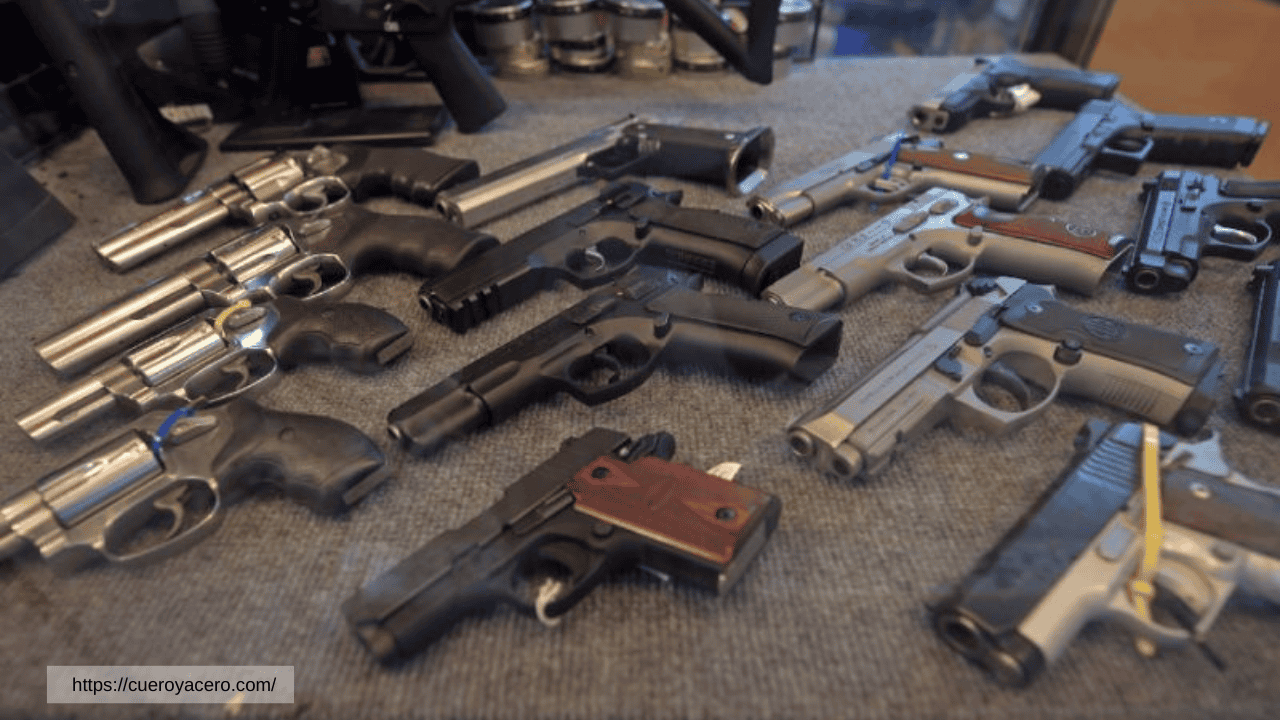
Collecting weapons can be a fascinating and meaningful pursuit. Many enthusiasts appreciate the history, craftsmanship, and symbolism tied to firearms, knives, or military memorabilia. But for some individuals, the passion for collecting can slowly turn into a compulsion that begins to affect mental health, relationships, and overall well-being. At Cueroyacero, we know addiction is not limited to substances. Compulsive behaviors, including excessive weapon collecting, can carry the same emotional weight as other addictions, and recognizing these patterns is the first step toward healing.
When Hobby Becomes Habit: The Psychology of Collecting
Every collection begins with interest and curiosity. A person may purchase their first piece as a tribute to history or a sign of personal pride. Over time, however, the excitement of acquiring new items can create an addictive cycle. Each purchase triggers a rush of dopamine, the brain’s “reward chemical,” which reinforces the behavior and pushes the individual to keep seeking the next addition.
Warning signs that collecting may be turning into an addiction include:
- Spending beyond financial means to acquire new pieces
- Hiding purchases or justifying excessive spending
- Feeling restless, anxious, or guilty when not acquiring something new
- Neglecting relationships, responsibilities, or self-care because of the collection
When these behaviors appear, the collection may no longer be about passion. Instead, it becomes a coping mechanism for deeper struggles like stress, trauma, or low self-worth.
Why Weapon Collecting Can Become Emotionally Charged
Weapons hold unique symbolic power. They often represent strength, protection, and control. For some collectors, owning these items may provide a sense of identity or security in an uncertain world. While this can feel fulfilling in the short term, it can also mask unaddressed emotional needs. Instead of finding balance through healthy coping strategies, the collection becomes the outlet for managing anxiety, grief, or fear.
This is what makes behavioral addictions complex. The collection itself is not inherently harmful. The concern arises when the behavior starts controlling the person, rather than the other way around.
Treatment for Behavioral Addictions: A Whole-Person Approach
At Cueroyacero, we believe recovery is about more than stopping a behavior. It is about healing the root causes that drive it. Our holistic, faith-based, and individualized treatment programs are designed to address both behavioral addictions and co-occurring mental health challenges.
Our services include:
- Inpatient and outpatient care to provide flexibility and support at every stage of recovery
- Individual and group therapy to explore emotional triggers and build healthier coping tools
- Holistic therapies like mindfulness, physical wellness, and expressive practices to restore balance
- Faith-based counseling for those who wish to incorporate spirituality into their healing
- Comprehensive mental health treatment to address trauma, anxiety, or depression linked to addictive behaviors
By treating the whole person—mind, body, and spirit—we help individuals reclaim control and rediscover a life of peace and purpose.
Choosing Recovery Over Compulsion
If your weapon collection has shifted from a passion to a source of stress, you are not alone. Behavioral addiction is real, and seeking help is not a sign of weakness. It is a step toward freedom. At Cueroyacero, we walk alongside you with compassion, expertise, and personalized care that respects your story and supports your goals.
Take the Next Step
Your collection does not define you. What defines you is the courage to recognize when something has taken hold of your life and the strength to reach out for help. If you or someone you love may be struggling with behavioral addiction, contact Cueroyacero today. Together, we can move beyond compulsion and toward lasting healing and hope.
Steel and Psyche: When the Collection Controls the Collector
 Collecting weapons can begin as a harmless hobby—rooted in history, craftsmanship, or cultural identity—but for some individuals, this interest can evolve into something deeper and more consuming. When the excitement of acquiring the next blade, firearm, or rare piece turns into emotional dependency, the collection may no longer be a passion. It may be a symptom of something more serious. At Cueroyacero, we understand that addiction takes many forms, and recognizing the psychological weight behind behaviors like compulsive collecting is a critical step toward recovery.
Understanding Behavioral Addiction Through Weapon Collecting
Behavioral addictions are often misunderstood because they do not involve a substance. But whether it’s gambling, shopping, or excessive collecting, the brain can become just as dependent on the rush of these actions as it would be on drugs or alcohol. In the case of weapon collecting, each new acquisition may trigger a dopamine release, creating a cycle of emotional reward and reinforcing the behavior.
This cycle can become unhealthy when the individual:
-
Spends excessive money or time on the collection
-
Feels anxiety, guilt, or depression when not collecting
-
Neglects relationships or responsibilities
-
Uses the collection to cope with trauma, loneliness, or stress
If any of these patterns sound familiar, it may be a sign that what started as a hobby has shifted into behavioral addiction.
Why Weapon Collecting Becomes a Psychological Crutch
Weapons often symbolize power, safety, and control. For someone struggling with underlying emotional issues, collecting weapons may create a false sense of security or identity. It can serve as a shield against fear, grief, or past trauma. Over time, the collection becomes more than just physical objects—it becomes a source of emotional regulation.
When emotional stability relies on owning rather than healing, deeper issues remain unaddressed. That’s where the compassionate, whole-person approach at Cueroyacero comes in.
Treating Addiction with a Holistic and Individualized Approach
At Cueroyacero, we offer faith-based, holistic addiction recovery services tailored to meet each person’s unique mental health and emotional needs. Whether you’re struggling with substance use or a compulsive behavior like obsessive collecting, our programs are designed to help you understand and heal the root causes of addiction—not just the symptoms.
Our services include:
-
Inpatient and outpatient treatment
-
Individual and group therapy
-
Mental health support for co-occurring disorders
-
Spiritual and faith-based counseling
-
Mind-body therapies, such as mindfulness, fitness, and expressive arts
Our clinical team works closely with each client to develop a treatment plan that supports lasting change. We treat the person, not just the problem.
Reclaiming Control: Recovery Starts With Awareness
If weapon collecting has taken over your life, it’s not a sign of weakness. It’s a signal that your mind and spirit may be seeking comfort, structure, or identity in ways that no object can truly provide. Recovery is about finding that sense of self again—through connection, healing, and guided support.
At Cueroyacero, we believe every person has the strength to break free from addictive cycles, no matter what form they take. If you’re ready to talk, we’re here to listen.
Take the Next Step
Your story doesn’t have to be defined by what’s behind the locked cabinet. True healing begins with honesty, courage, and the right support. Contact Cueroyacero today to speak with a compassionate professional who understands behavioral addiction and is ready to walk with you toward freedom and wholeness.