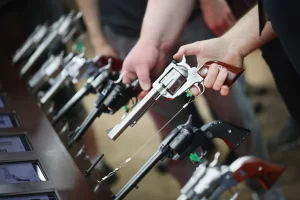
 High-intensity hobbies often bring a strong sense of focus, excitement, and purpose. For weapon enthusiasts, this interest may include collecting, studying, or engaging with items that require discipline and attention to detail. While this can be a meaningful and structured passion, there are times when intensity begins to affect emotional well-being. At Cueroyacero, we understand that even healthy hobbies can become emotionally complex when they start to influence stress levels, relationships, or mental health. Finding balance is not about removing passion, but about keeping it healthy and sustainable.
The Psychology Behind Weapon Enthusiasm: What Drives the Urge to Collect
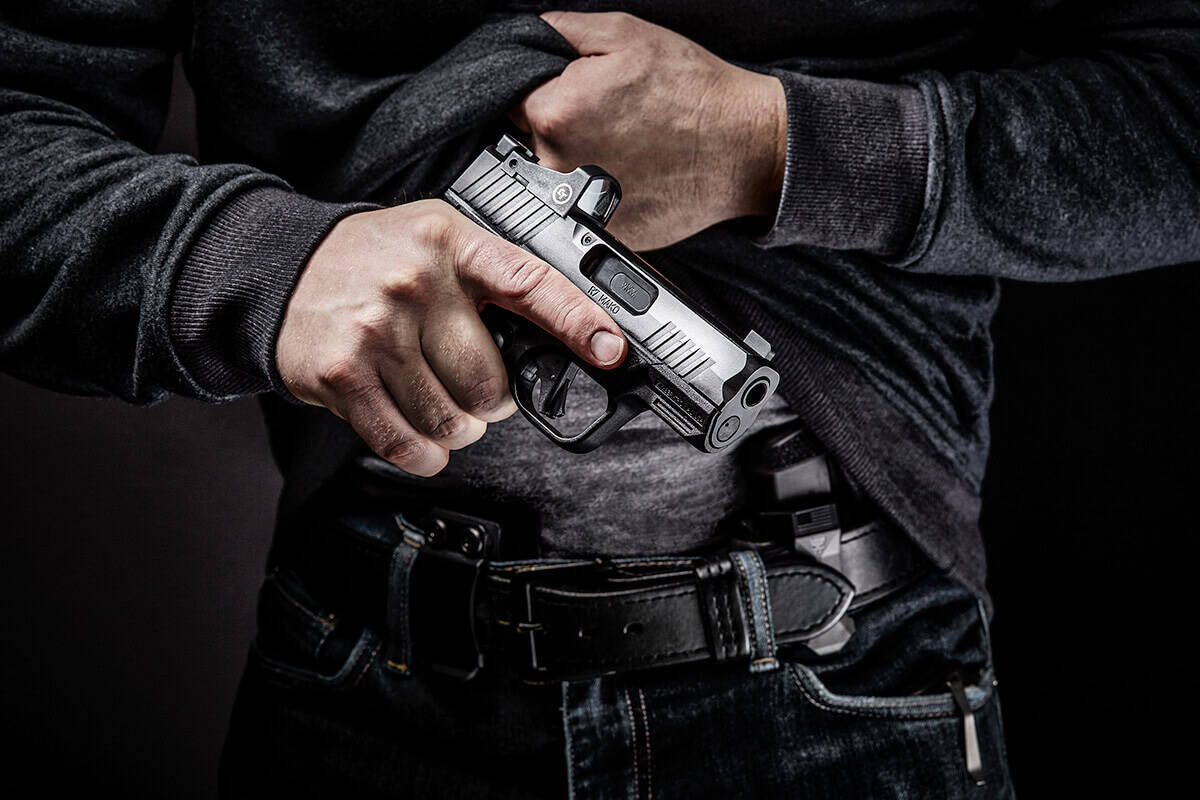
Weapon enthusiasm often begins as a structured and meaningful interest. Many people are drawn to the craftsmanship, history, precision, or discipline involved in collecting or studying weapons. For most individuals, this remains a healthy and balanced hobby. However, there are cases where the urge to collect becomes more emotionally charged, persistent, or difficult to control. At Cueroyacero, we understand that behind strong interests are often deeper psychological and emotional drivers. Exploring the psychology behind weapon enthusiasm can help individuals recognize when a hobby is serving enjoyment versus emotional coping.
Understanding Weapon Enthusiasm From a Psychological Perspective
Psychologically, hobbies and interests are not random. They often reflect internal needs such as identity, control, stimulation, or emotional regulation. Weapon enthusiasm can be especially engaging because it combines structure, skill, and sensory focus.
When balanced, this interest can provide satisfaction and purpose. When intensified by emotional needs, it may begin to function as a coping mechanism rather than a simple hobby.
Healthy Interest vs Emotional Dependence
A healthy interest:
- Is flexible and enjoyable
- Coexists with other responsibilities and relationships
- Does not create emotional distress when paused
- Remains a choice rather than a need
An emotionally driven pattern:
- Feels urgent or compulsive
- Becomes a primary source of emotional relief
- Interferes with daily life or responsibilities
- Creates anxiety when not engaged
Understanding this distinction is key to recognizing when psychological factors are involved.
Key Psychological Drivers Behind the Urge to Collect
The urge to collect often reflects deeper emotional or cognitive needs. These drivers vary from person to person, but several patterns commonly appear in behavioral health settings.
The Need for Control and Stability
One of the strongest psychological drivers is the need for control. Weapons, collectibles, or structured hobbies can provide a sense of order in an unpredictable world. The process of collecting, organizing, or refining a collection may create temporary feelings of stability and predictability.
Dopamine and Reward Cycles
The brain’s reward system plays a significant role in collecting behavior. Acquiring a new item can trigger dopamine release, which produces feelings of satisfaction or excitement. Over time, the brain may begin to associate collecting with emotional relief, reinforcing the behavior.
Emotional Regulation and Stress Relief
Many individuals turn to hobbies like collecting to manage stress, anxiety, or emotional discomfort. The focus required can temporarily distract from difficult thoughts or feelings, creating a sense of relief.
Identity and Personal Meaning
For some, weapon enthusiasm becomes closely tied to identity. The hobby may represent skill, knowledge, discipline, or belonging. When identity becomes strongly connected to a single interest, it can increase emotional investment in the behavior.
Escapism and Avoidance
In some cases, collecting may serve as a way to avoid unresolved emotions, trauma, or life stressors. While this can provide short term comfort, it may prevent deeper emotional healing if it becomes the primary coping strategy.
When Enthusiasm Becomes Emotionally Driven Behavior
Weapon enthusiasm becomes more concerning when psychological drivers begin to outweigh enjoyment. This shift is often subtle. Individuals may notice increasing preoccupation with collecting, difficulty stepping away from the hobby, or emotional distress when unable to engage.
Over time, the behavior may begin to feel less like a choice and more like a need. This is where mental health support can play an important role.
How Mental Health Treatment Supports Balance and Awareness
At Cueroyacero, we provide compassionate and individualized care that focuses on understanding the whole person. Our approach recognizes that behaviors are often expressions of deeper emotional needs, not just habits to eliminate.
Our Comprehensive Care Includes
- Inpatient and outpatient mental health and addiction treatment
- Individual therapy to explore emotional triggers and behavioral patterns
- Group therapy for shared support and connection
- Holistic approaches such as mindfulness and stress regulation skills
- Faith based support for those seeking spiritual grounding
- Treatment for co occurring mental health conditions
This integrated approach helps individuals understand the psychological roots of their behavior and develop healthier coping strategies.
Practical Steps to Understand Your Own Patterns
Self awareness is often the first step toward change. Individuals can begin by observing their relationship with collecting more closely.
Reflect on Emotional Triggers
Ask what emotions are present before the urge to collect arises. Stress, boredom, anxiety, or loneliness are common triggers.
Notice the After Effects
Pay attention to how you feel after engaging in the hobby. Relief followed by guilt or restlessness can indicate emotional reliance.
Diversify Coping Strategies
Explore other ways to manage emotions, such as physical activity, creative expression, or social connection.
Seek Professional Insight
Therapy can help uncover deeper psychological patterns and provide tools for emotional regulation and balance.
Conclusion: Understanding the Mind Behind the Urge
Weapon enthusiasm is shaped by more than just interest. It is influenced by psychological needs, emotional experiences, and patterns of coping. While the hobby itself is not inherently problematic, it becomes important to pay attention when it starts to feel emotionally necessary rather than enjoyable.
At Cueroyacero, we offer compassionate, holistic, and personalized care to help individuals understand these patterns, strengthen emotional resilience, and build healthier ways of coping. If your interest in collecting feels increasingly driven or difficult to manage, reaching out for support can be a meaningful step toward clarity, balance, and long term well-being.
Is It Passion or Pattern? Recognizing Compulsive Weapon Collecting Behaviors
 Weapon collecting can be a meaningful and engaging hobby for many individuals. It often begins with genuine interest in history, craftsmanship, skill, or personal expression. However, there are times when a passion begins to shift into a repetitive behavioral pattern that feels harder to control. At Cueroyacero, we understand that this line is not always obvious. Recognizing the difference between healthy passion and compulsive behavior is an important step in protecting mental health and overall well-being.
Understanding the Difference Between Passion and Pattern
A healthy passion enhances life. It brings enjoyment, curiosity, and balance without interfering with responsibilities or emotional stability. A pattern, however, is more repetitive and driven by emotional need rather than enjoyment.
Compulsive weapon collecting behaviors often develop gradually. What starts as enthusiasm may slowly become a routine that feels necessary, even when it creates stress or consequences.
Key Differences to Notice
- Passion feels flexible, while patterns feel rigid
- Passion enhances life, while patterns begin to dominate it
- Passion is enjoyable, while patterns are often driven by emotional urgency
- Passion allows balance, while patterns can disrupt relationships or responsibilities
Recognizing these differences can help you better understand your relationship with the hobby.
Signs of Compulsive Weapon Collecting Behavior
Compulsive behaviors are not defined by the hobby itself, but by how the behavior affects your life and emotional well-being.
Common Warning Signs Include
- Persistent urges to acquire new items even when unnecessary
- Difficulty controlling time or money spent on collecting
- Feeling anxious or irritable when unable to engage with the hobby
- Neglecting personal, work, or family responsibilities
- Using collecting as a primary way to manage stress or emotions
- Feeling guilt or regret after engaging in the behavior
These signs often indicate that collecting has moved beyond enjoyment and into emotional dependency.
Why Compulsive Patterns Develop
Compulsive weapon collecting behaviors are often linked to emotional coping. The brain naturally seeks relief from stress, anxiety, or emotional discomfort, and structured hobbies can temporarily provide that relief.
Emotional Factors That Influence Behavior
Stress and Overwhelm
Collecting may provide a temporary escape from emotional pressure or daily stressors.
Need for Control
Structured hobbies can create a sense of stability during uncertain times.
Emotional Avoidance
Engagement may be used to avoid uncomfortable thoughts or unresolved feelings.
Identity and Self Worth
The hobby may become closely tied to personal identity or self validation.
When these emotional needs are not addressed directly, the behavior can become more frequent and difficult to manage.
How Compulsive Collecting Impacts Mental Health
Over time, compulsive patterns can affect emotional and psychological well-being. Individuals may experience increased anxiety, financial strain, isolation, or difficulty focusing on other areas of life.
The temporary relief provided by collecting often reinforces the cycle. However, this relief fades, leading to repeated urges and emotional dependence on the behavior.
How Mental Health Treatment Can Help
At Cueroyacero, we provide compassionate, individualized care designed to address both behavioral patterns and underlying emotional causes. Our goal is to help individuals regain balance, build healthy coping skills, and improve overall well-being.
Our Treatment Approach Includes
- Inpatient and outpatient mental health and addiction services
- Individual therapy to explore emotional triggers and thought patterns
- Group therapy for shared support and connection
- Holistic therapies such as mindfulness and stress management techniques
- Faith based counseling for those seeking spiritual support
- Treatment for co-occurring mental health conditions
This comprehensive approach helps individuals move beyond compulsive behaviors and develop healthier emotional regulation skills.
Practical Steps Toward Healthy Balance
If you recognize compulsive patterns in your collecting behavior, small intentional changes can help restore balance.
Build Awareness of Triggers
Notice what emotions or situations increase the urge to collect. Awareness is a powerful first step toward change.
Create Healthy Boundaries
Set limits around spending, time, and frequency of collecting to reduce impulsive behavior.
Develop Alternative Coping Skills
Engage in activities such as exercise, journaling, creative hobbies, or social connection to manage stress in healthier ways.
Seek Professional Support
Therapy or counseling can help uncover deeper emotional drivers and provide tools for long term change.
Conclusion: Choosing Awareness Over Automatic Patterns
Weapon collecting can remain a meaningful and enjoyable hobby when it is guided by balance and awareness. However, when behavior becomes repetitive, emotionally driven, or difficult to control, it may signal an underlying pattern that deserves attention.
At Cueroyacero, we offer compassionate, holistic, and personalized care to help individuals understand these behaviors and restore emotional balance. If your passion is starting to feel more like a pattern, reaching out for support can be the first step toward clarity, stability, and long term well-being.
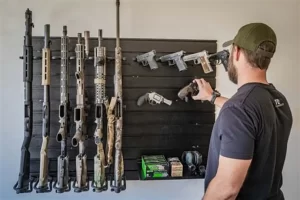 Weapon collecting is often viewed as a personal interest rooted in history, craftsmanship, discipline, or appreciation for unique items. For many individuals, it remains a healthy and enjoyable hobby. However, there are times when collecting begins to serve a deeper emotional purpose. At Cueroyacero, we understand that behaviors tied to collecting can sometimes become coping mechanisms for stress, anxiety, trauma, or emotional discomfort. Recognizing this shift is an important step toward protecting mental health and restoring balance.
 Weapon enthusiasm can begin as a structured and meaningful interest. Many individuals are drawn to the history, precision, craftsmanship, or discipline involved in collecting or engaging with weapons. For most, it remains a balanced hobby. However, there are times when this interest becomes intense, emotionally charged, or difficult to step away from. At Cueroyacero, we understand that these shifts are often not about the hobby itself, but about what is happening underneath emotionally and psychologically. When an interest begins to affect mental health or daily functioning, it is important to understand the deeper picture.
Finding Balance Again: When Weapon Interest Starts to Affect Your Well-Being
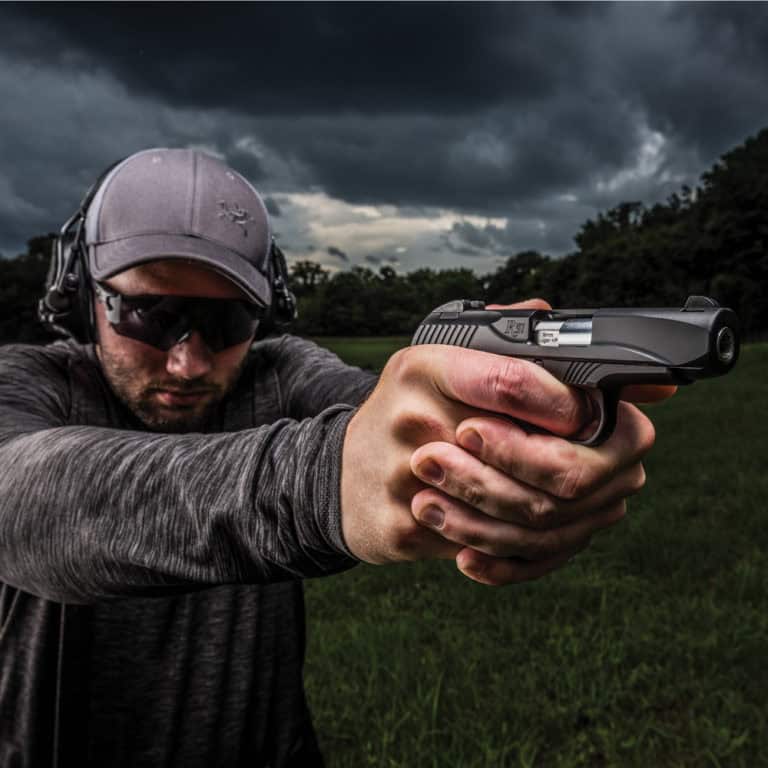 Weapon interest can begin as a focused hobby built around history, craftsmanship, skill, or personal identity. For many people, it remains a healthy and structured passion. However, there are moments when that interest starts to feel heavier, more consuming, or emotionally tied to stress and daily functioning. At Cueroyacero, we understand how subtle this shift can be. When a hobby begins to affect mental health, relationships, or overall well-being, it may be time to pause and reassess the balance.
When a Hobby Begins to Feel Overwhelming
A healthy interest enhances life without taking it over. But when weapon enthusiasm begins to feel like a priority that outweighs responsibilities or emotional stability, it can signal an underlying imbalance.
This does not mean the interest itself is the problem. Instead, it often points to how the hobby is being used emotionally or psychologically.
Early Signs Your Well-Being May Be Affected
Some common signs include:
- Feeling mentally preoccupied with collecting or related activities
- Experiencing stress or guilt around time or money spent
- Losing interest in other hobbies or relationships
- Using the activity to manage anxiety, sadness, or frustration
- Feeling restless or uneasy when unable to engage with the hobby
Recognizing these early patterns can help prevent deeper emotional strain.
The Emotional Connection Behind Strong Interests
Many hobbies, including weapon-related interests, can serve an emotional purpose. They can provide structure, focus, and even comfort during stressful times. However, when emotional reliance becomes too strong, the hobby may begin to influence well-being in unintended ways.
Why Emotional Reliance Develops
Several underlying factors can contribute:
- Stress and Emotional Overload: The hobby becomes a way to escape or reduce tension
- Need for Control: Structured interests offer predictability during uncertain times
- Identity Connection: The hobby may become closely tied to self-worth or identity
- Emotional Numbing: Engagement may help avoid uncomfortable feelings
When these emotional needs are not addressed directly, the hobby can unintentionally take on a coping role.
How Imbalance Impacts Daily Life
When a strong interest begins to affect well-being, it can show up in different areas of life. Some individuals may notice changes in mood, focus, or relationships. Others may feel increased stress or difficulty managing responsibilities.
Over time, this imbalance can lead to emotional fatigue or a sense of being stuck in repetitive patterns that feel hard to change.
How Mental Health Support Can Help Restore Balance
At Cueroyacero, we provide compassionate and individualized care designed to help people understand the emotional roots of their behaviors. Our approach focuses on healing the whole person, not just managing symptoms.
Our Care Includes
- Inpatient and outpatient mental health and addiction treatment
- Individual therapy to explore emotional triggers and coping patterns
- Group therapy for connection and shared support
- Holistic approaches such as mindfulness and emotional regulation techniques
- Faith-based support for individuals seeking spiritual grounding
- Treatment for co-occurring mental health conditions
This combination of care helps individuals build healthier coping strategies and regain emotional balance.
Practical Steps to Regain Balance
If you notice your interest starting to affect your well-being, small intentional changes can help you begin to regain control.
Increase Self Awareness
Pay attention to how you feel before, during, and after engaging in the hobby. Emotional patterns often reveal important insights.
Set Gentle Boundaries
Create limits around time, spending, and engagement. Structure helps restore balance without removing the hobby entirely.
Rebuild Other Areas of Life
Reconnect with relationships, physical activity, or interests that may have been neglected.
Seek Support When Needed
Talking with a mental health professional can provide clarity and help address underlying emotional needs.
Conclusion: Returning to a Healthier Balance
A strong interest does not have to be a source of stress or emotional strain. When weapon enthusiasm begins to affect your well-being, it may be a sign that deeper emotional needs deserve attention. With awareness and the right support, it is possible to restore balance and reconnect with a healthier version of your daily life.
At Cueroyacero, we offer compassionate, personalized care to help individuals understand these patterns and build lasting emotional stability. If your interest is starting to feel overwhelming, reaching out for support can be the first step toward finding balance again and creating a more grounded, fulfilling life.
 Compulsive weapon collecting is often misunderstood as simply a strong hobby or personal interest. In reality, when collecting begins to feel driven, stressful, or difficult to control, it may be connected to deeper emotional coping patterns. At Cueroyacero, we recognize that behaviors like this rarely exist in isolation. They often develop as a way to manage stress, anxiety, trauma, or emotional discomfort. Understanding this connection is an important step toward breaking the cycle and restoring balance in life.
 Weapon enthusiasm can be a meaningful and engaging interest. For many individuals, it offers a sense of discipline, appreciation for craftsmanship, and connection to history or personal identity. However, when this passion begins to influence emotional stability, relationships, or daily responsibilities, it may signal a deeper concern. At Cueroyacero, we understand that the line between passion and dependence is not always obvious. Recognizing when enthusiasm begins to affect mental health is a powerful step toward creating balance and long term well being.
When a Hobby Takes Over: Recognizing the Signs of Weapon Collecting Addiction
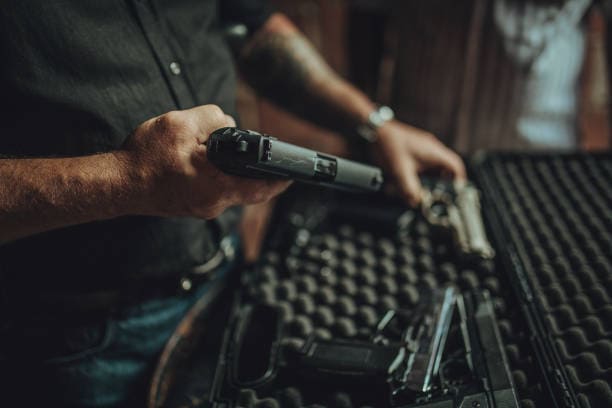
For many individuals, collecting weapons begins as a meaningful and engaging hobby. It can offer a sense of history, craftsmanship, and personal pride. However, when this interest begins to take priority over responsibilities, relationships, and emotional well-being, it may signal something deeper. At Cueroyacero, we understand that what looks like a passion on the surface can sometimes reflect patterns similar to behavioral addiction. Recognizing when a hobby starts to take over is the first step toward restoring balance and protecting your mental health.
Understanding Weapon Collecting Addiction
Weapon collecting addiction is not about the items themselves. It is about the relationship a person has with the behavior. Like other forms of behavioral addiction, compulsive collecting often involves a cycle of anticipation, temporary satisfaction, and then a return to craving. Over time, this pattern can create emotional distress and disrupt daily life.
While collecting can be healthy, addiction develops when the behavior becomes difficult to control and continues despite negative consequences. This shift may happen gradually, making it harder to recognize without honest reflection.
Signs That a Hobby Has Become a Problem
Identifying the signs of compulsive collecting is essential for early intervention. Some of the most common indicators include:
- Spending beyond your financial limits to acquire new items
- Feeling anxious, restless, or irritable when you cannot collect
- Prioritizing collecting over work, relationships, or personal responsibilities
- Hiding purchases or feeling guilt about your behavior
- Using collecting as your main way to cope with stress or emotional discomfort
If these patterns feel familiar, it may be time to take a closer look at how your hobby is affecting your life.
The Emotional Cycle Behind Compulsive Behavior
Compulsive collecting often follows a predictable emotional cycle. It may begin with stress, boredom, or emotional discomfort. The idea of acquiring a new item creates excitement and anticipation. Once the item is obtained, there is a temporary sense of relief or satisfaction. However, this feeling fades quickly, leading to renewed urges.
This cycle can mirror other forms of addiction and can be difficult to break without support.
The Role of Mental Health in Collecting Addiction
Mental health plays a significant role in the development of compulsive behaviors. Many individuals use hobbies like weapon collecting to manage underlying emotional challenges. These may include anxiety, depression, trauma, or feelings of isolation.
Common Emotional Drivers
Understanding the emotional roots of collecting addiction can help guide recovery. Some common drivers include:
- A need for control during uncertain or stressful times
- A desire for achievement or validation
- Coping with unresolved trauma or emotional pain
- Seeking identity or belonging through possessions
Without addressing these underlying factors, the behavior often continues, even when it creates harm.
How Professional Support Can Help
At Cueroyacero, we believe that healing begins with understanding the whole person. Our approach combines mental health care, addiction recovery support, and holistic healing practices to address both behavior and its root causes.
Our services include:
- Inpatient and outpatient treatment options tailored to individual needs
- Individual and group therapy to explore emotional triggers
- Holistic therapies such as mindfulness and creative expression
- Faith-based support for those seeking spiritual guidance
- Care for co-occurring mental health conditions
With the right support, individuals can break the cycle of compulsive behavior and build healthier ways to cope with life’s challenges.
Practical Steps Toward Regaining Balance
Taking action does not mean giving up your interests. It means creating a healthier relationship with them. Consider these practical steps:
Set Clear Limits
Define boundaries for spending, time, and collecting frequency. Structure helps reduce impulsive decisions.
Reflect Before You Act
Pause before making a purchase. Ask yourself what you are feeling and whether the decision is driven by enjoyment or emotional need.
Build Healthy Coping Skills
Explore alternative ways to manage stress, such as exercise, journaling, or connecting with others.
Reach Out for Support
Talking to a trusted friend, family member, or professional can provide perspective and encouragement.
Conclusion: Taking Back Control of Your Life
A hobby should add value to your life, not take control of it. If weapon collecting has begun to feel overwhelming, stressful, or difficult to manage, you are not alone. Recognizing the signs of addiction is a powerful first step toward change.