Is It Passion or Pattern? Recognizing Compulsive Weapon Collecting Behaviors
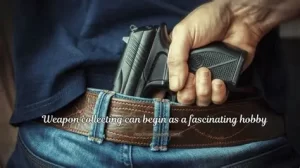 Weapon collecting can be a meaningful and engaging hobby for many individuals. It often begins with genuine interest in history, craftsmanship, skill, or personal expression. However, there are times when a passion begins to shift into a repetitive behavioral pattern that feels harder to control. At Cueroyacero, we understand that this line is not always obvious. Recognizing the difference between healthy passion and compulsive behavior is an important step in protecting mental health and overall well-being.
Understanding the Difference Between Passion and Pattern
A healthy passion enhances life. It brings enjoyment, curiosity, and balance without interfering with responsibilities or emotional stability. A pattern, however, is more repetitive and driven by emotional need rather than enjoyment.
Compulsive weapon collecting behaviors often develop gradually. What starts as enthusiasm may slowly become a routine that feels necessary, even when it creates stress or consequences.
Key Differences to Notice
- Passion feels flexible, while patterns feel rigid
- Passion enhances life, while patterns begin to dominate it
- Passion is enjoyable, while patterns are often driven by emotional urgency
- Passion allows balance, while patterns can disrupt relationships or responsibilities
Recognizing these differences can help you better understand your relationship with the hobby.
Signs of Compulsive Weapon Collecting Behavior
Compulsive behaviors are not defined by the hobby itself, but by how the behavior affects your life and emotional well-being.
Common Warning Signs Include
- Persistent urges to acquire new items even when unnecessary
- Difficulty controlling time or money spent on collecting
- Feeling anxious or irritable when unable to engage with the hobby
- Neglecting personal, work, or family responsibilities
- Using collecting as a primary way to manage stress or emotions
- Feeling guilt or regret after engaging in the behavior
These signs often indicate that collecting has moved beyond enjoyment and into emotional dependency.
Why Compulsive Patterns Develop
Compulsive weapon collecting behaviors are often linked to emotional coping. The brain naturally seeks relief from stress, anxiety, or emotional discomfort, and structured hobbies can temporarily provide that relief.
Emotional Factors That Influence Behavior
Stress and Overwhelm
Collecting may provide a temporary escape from emotional pressure or daily stressors.
Need for Control
Structured hobbies can create a sense of stability during uncertain times.
Emotional Avoidance
Engagement may be used to avoid uncomfortable thoughts or unresolved feelings.
Identity and Self Worth
The hobby may become closely tied to personal identity or self validation.
When these emotional needs are not addressed directly, the behavior can become more frequent and difficult to manage.
How Compulsive Collecting Impacts Mental Health
Over time, compulsive patterns can affect emotional and psychological well-being. Individuals may experience increased anxiety, financial strain, isolation, or difficulty focusing on other areas of life.
The temporary relief provided by collecting often reinforces the cycle. However, this relief fades, leading to repeated urges and emotional dependence on the behavior.
How Mental Health Treatment Can Help
At Cueroyacero, we provide compassionate, individualized care designed to address both behavioral patterns and underlying emotional causes. Our goal is to help individuals regain balance, build healthy coping skills, and improve overall well-being.
Our Treatment Approach Includes
- Inpatient and outpatient mental health and addiction services
- Individual therapy to explore emotional triggers and thought patterns
- Group therapy for shared support and connection
- Holistic therapies such as mindfulness and stress management techniques
- Faith based counseling for those seeking spiritual support
- Treatment for co-occurring mental health conditions
This comprehensive approach helps individuals move beyond compulsive behaviors and develop healthier emotional regulation skills.
Practical Steps Toward Healthy Balance
If you recognize compulsive patterns in your collecting behavior, small intentional changes can help restore balance.
Build Awareness of Triggers
Notice what emotions or situations increase the urge to collect. Awareness is a powerful first step toward change.
Create Healthy Boundaries
Set limits around spending, time, and frequency of collecting to reduce impulsive behavior.
Develop Alternative Coping Skills
Engage in activities such as exercise, journaling, creative hobbies, or social connection to manage stress in healthier ways.
Seek Professional Support
Therapy or counseling can help uncover deeper emotional drivers and provide tools for long term change.
Conclusion: Choosing Awareness Over Automatic Patterns
Weapon collecting can remain a meaningful and enjoyable hobby when it is guided by balance and awareness. However, when behavior becomes repetitive, emotionally driven, or difficult to control, it may signal an underlying pattern that deserves attention.
At Cueroyacero, we offer compassionate, holistic, and personalized care to help individuals understand these behaviors and restore emotional balance. If your passion is starting to feel more like a pattern, reaching out for support can be the first step toward clarity, stability, and long term well-being.