From Interest to Interference: How Intense Weapon Collecting Can Affect Daily Life and Mental Wellness
 A passionate interest can add knowledge, enjoyment, identity, and connection to a person’s life. Weapon collecting is no different. For many enthusiasts, collecting may reflect an appreciation for history, craftsmanship, research, recreation, or personal interests. The concern begins when that interest gradually becomes difficult to control and starts interfering with relationships, responsibilities, finances, or mental wellness. When collecting becomes a primary way to cope with stress or difficult emotions, understanding the underlying pattern can be an important step toward healthier living.
When Weapon Collecting Becomes More Than a Hobby
Having a large collection or spending significant time learning about weapons does not automatically indicate a mental health problem. The number of items someone owns is not the most important factor. Instead, it is useful to consider how the hobby affects the rest of life.
A healthy interest generally allows room for other priorities. A person can enjoy collecting and still maintain relationships, fulfill responsibilities, manage finances, participate in other activities, and take breaks from the hobby.
Problems may arise when collecting begins to feel emotionally necessary.
Signs That Collecting May Be Interfering With Daily Life
Some warning signs deserve closer attention:
- Constantly thinking about collecting or researching
- Spending more money or time than originally intended
- Feeling anxious or irritable when unable to engage with the hobby
- Neglecting work, family, or personal responsibilities
- Experiencing conflict with loved ones over collecting
- Using the hobby mainly to escape stress or painful emotions
- Losing interest in other activities
- Feeling guilt or frustration but struggling to change the pattern
- Having difficulty relaxing without engaging with the hobby
These signs do not automatically mean that someone has a behavioral addiction. However, they can indicate that the relationship with the hobby has changed and that additional support may be helpful.
Understanding the Emotional Connection Behind Collecting
Compulsive patterns rarely develop without an underlying reason. A behavior may provide something emotionally valuable, even when it eventually creates problems.
For some people, collecting can provide structure. For others, it may create a sense of accomplishment, control, identity, or temporary relief from emotional discomfort.
Stress and Emotional Escape
Everyone needs healthy ways to manage stress. A hobby can be an excellent outlet after a difficult day. Researching an interesting subject or organizing a collection can provide a welcome mental break.
The problem occurs when the hobby becomes the primary method of avoiding uncomfortable emotions.
Someone experiencing loneliness, anxiety, frustration, grief, or relationship conflict may turn toward collecting because it temporarily provides relief. Once the activity ends, however, the original emotions may return.
This can create a repeating cycle:
- Stress or emotional discomfort develops.
- The individual turns toward collecting or researching.
- The activity provides temporary relief.
- Difficult emotions return.
- The urge to repeat the behavior becomes stronger.
Recognizing this cycle can help a person understand that the real issue may not be the hobby itself. The deeper concern may be the emotional need the hobby is being used to satisfy.
The Need for Control
Life can sometimes feel unpredictable. Career pressure, financial concerns, relationship problems, personal loss, and other difficult experiences can leave people searching for something they can control.
A structured hobby may provide a sense of order and predictability.
Researching, organizing, and maintaining a collection can give the mind a clear focus. That experience can be reassuring. Yet emotional wellness requires more than feeling in control of one area of life.
If collecting becomes increasingly important for feeling safe, calm, or secure, it may be useful to explore the anxiety or uncertainty underneath that need.
When a Hobby Starts Affecting Relationships and Responsibilities
One of the clearest signs of interference is when collecting begins competing with important areas of life.
A person may start spending less time with family or friends. Work responsibilities may receive less attention. Financial decisions may become a source of conflict. Sleep, exercise, recreation, or other healthy routines may also be pushed aside.
Protecting Important Relationships
Relationships provide connection, accountability, encouragement, and emotional support. When a hobby begins replacing those relationships, isolation can gradually increase.
Ask yourself:
- Am I regularly choosing my collection over time with people I care about?
- Have loved ones expressed concern about how much time or money I spend on collecting?
- Do I avoid conversations about the hobby because I expect conflict?
- Have I stopped participating in activities I once enjoyed with others?
Honest answers can provide valuable information without creating shame.
Paying Attention to Financial Stress
Financial consequences can also indicate that a hobby has become difficult to manage.
Spending beyond an established budget, hiding purchases, using money intended for essential expenses, or repeatedly making emotionally driven purchases can create significant stress.
Financial pressure can then increase anxiety, which may lead to greater reliance on the hobby for emotional relief. Breaking this cycle requires addressing both the behavior and the emotional factors contributing to it.
How Intense Collecting Can Affect Mental Wellness
Mental wellness depends on balance. When one activity consumes increasing amounts of emotional energy, other areas of well-being can suffer.
Persistent preoccupation may make it harder to concentrate on work or relationships. Anxiety may increase when a person cannot participate in the hobby. Guilt may appear after purchases or periods of excessive involvement. Over time, these experiences can contribute to greater emotional distress.
Identity and Self-Worth
A specialized hobby can become an important part of identity. Expertise can create confidence and a sense of belonging, particularly when someone connects with others who share the same interests.
However, it is healthier when identity has multiple sources of meaning.
Family, friendships, career goals, spirituality, exercise, creativity, education, service, and other interests can all contribute to a stronger sense of self.
The goal is not necessarily to abandon a meaningful hobby. Instead, it is to make sure the hobby is one part of life rather than the foundation of personal worth.
Practical Ways to Restore Balance
Recognizing interference is only the beginning. Small, consistent changes can help create healthier patterns.
Identify Your Emotional Triggers
Before spending time or money on collecting, pause and ask what you are experiencing emotionally.
Are you stressed? Lonely? Bored? Angry? Worried about the future? Dealing with conflict?
Writing down these observations can reveal patterns that are difficult to recognize in the moment.
Create Reasonable Boundaries
Consider establishing clear limits around time, attention, and spending.
Practical boundaries can make it easier to enjoy an interest without allowing it to dominate daily life. It can also help to delay decisions when experiencing intense emotions rather than using collecting as an immediate response to distress.
Develop Multiple Coping Strategies
Healthy recovery involves having more than one way to manage difficult emotions.
Depending on individual needs, helpful strategies may include:
- Exercise and physical activity
- Mindfulness and breathing exercises
- Journaling
- Creative hobbies
- Spending time with supportive people
- Outdoor activities
- Meaningful work or service
- Spiritual or faith based practices
- Professional counseling
The more healthy coping tools a person has, the less emotional pressure falls on one behavior.
When Professional Mental Health Treatment Can Help
Self awareness and personal boundaries can be valuable, but some patterns are difficult to change without professional guidance. If intense weapon collecting is occurring alongside anxiety, depression, trauma, substance use, relationship problems, or significant emotional distress, a comprehensive assessment can help identify what is really happening.
Individualized Counseling
Individualized therapy allows treatment to focus on the person rather than simply labeling a behavior.
A qualified professional can help identify emotional triggers, examine thought patterns, strengthen coping skills, and address underlying concerns. This personalized approach is especially important because the reasons behind compulsive behavior can vary significantly from one person to another.
Inpatient and Outpatient Care
The appropriate level of treatment depends on the individual’s circumstances.
Inpatient care can provide a structured environment for people who need more intensive support. Outpatient treatment can provide counseling and ongoing care while allowing individuals to continue managing work, family, and other responsibilities.
When addiction or significant mental health concerns are also present, professional assessment can help determine the appropriate level of care.
Holistic and Faith Based Support
Mental wellness involves more than thoughts and emotions. Physical health, relationships, purpose, values, and spirituality can all influence recovery.
Holistic approaches can incorporate healthy routines, stress management, mindfulness, physical wellness, and emotional development. For people who draw strength from faith, faith based care can provide an additional foundation of hope, purpose, connection, and encouragement.
When substance use and mental health concerns occur alongside compulsive behavioral patterns, integrated addiction recovery services can address these concerns together rather than treating each one in isolation.
Recovery Is About Understanding, Not Shame
It is important not to label every passionate weapon collector as unhealthy. A strong interest can be perfectly compatible with a fulfilling and balanced life.
The more important question is whether the hobby remains a choice.
If collecting can be enjoyed without disrupting relationships, responsibilities, finances, or emotional stability, it may simply be a meaningful interest. If the person feels unable to step away, increasingly depends on collecting for emotional relief, or continues despite serious consequences, there may be a deeper issue worth exploring.
Recovery does not require shame. It requires honesty, self awareness, and a willingness to understand what the behavior may be communicating.
Conclusion: When Interest Starts Interfering, Support Can Help
Weapon collecting can remain a meaningful part of someone’s life while still allowing room for relationships, responsibilities, emotional wellness, and personal growth. The concern is not passion itself. The concern is what happens when an interest becomes difficult to control or becomes the primary way a person manages stress, anxiety, loneliness, or emotional pain.
If collecting has started interfering with your daily life, it may be time to look beyond the behavior and consider the needs underneath it. Individualized mental health treatment, addiction recovery services, inpatient and outpatient care, holistic support, and faith based approaches can provide different pathways toward greater stability and healthier coping.
You do not have to give up everything that matters to you in order to regain balance. With appropriate professional support, it is possible to understand difficult patterns, strengthen emotional wellness, and build a life in which your interests add meaning rather than carry the weight of your emotional well-being.
What Your Hobby May Be Telling You: Exploring the Emotional Needs Behind Weapon Collecting
 A hobby can reveal more about our emotional lives than we realize. For many people, weapon collecting is a genuine interest rooted in history, craftsmanship, personal identity, recreation, or preparedness. There is nothing inherently unhealthy about having a specialized passion. However, when collecting becomes the primary way someone manages stress, anxiety, loneliness, insecurity, or other difficult emotions, it may be worth looking beneath the surface. Understanding the emotional needs behind weapon collecting can help a person recognize unhealthy patterns while preserving dignity, personal choice, and the possibility of a healthier life.
The goal is not to judge someone based on what they collect. Instead, the focus should be on how the behavior functions in that person’s life. Does the hobby add enjoyment and meaning, or does it feel necessary to feel calm, secure, or in control? That distinction can provide valuable insight into mental health and emotional well being.
Why Weapon Collecting Can Feel Meaningful
People collect for many different reasons. A collection can represent years of learning, personal achievement, historical interest, appreciation for craftsmanship, or connection with a community.
For some individuals, collecting also provides structure. Researching a subject, organizing personal belongings, and developing expertise can create a satisfying sense of progress.
A Hobby Can Provide Identity
Specialized interests often become part of a person’s identity. Becoming knowledgeable about a subject can build confidence and create opportunities for social connection.
That can be positive. Problems may arise when nearly all of a person’s self worth becomes connected to the hobby.
If stepping away from collecting creates intense distress because it feels like losing an important part of one’s identity, that reaction deserves attention.
A healthier approach involves developing several sources of meaning. Family relationships, friendships, work, creativity, physical activity, spirituality, education, and service can all contribute to a stronger sense of self.
When Collecting Becomes an Emotional Coping Tool
People naturally seek activities that help them feel better. Watching a favorite movie, exercising, spending time with friends, or enjoying a hobby can all provide healthy relief from stress.
Collecting can work in a similar way.
The concern begins when the activity becomes the main or only method of handling difficult emotions.
The Stress and Relief Cycle
An unhealthy emotional pattern may develop gradually:
- Stress or emotional discomfort appears.
- The person becomes focused on collecting, researching, or related activities.
- The activity creates temporary relief or distraction.
- The original emotional discomfort eventually returns.
- The person feels a stronger urge to repeat the behavior.
Over time, the brain can associate the activity with emotional relief. The person may then turn toward collecting automatically whenever anxiety, loneliness, frustration, or uncertainty appears.
This does not automatically mean addiction is present. It does mean that the emotional role of the hobby may deserve closer examination.
What Emotional Needs Might Be Beneath the Hobby?
There is no single reason why a person may become intensely focused on collecting. Emotional needs vary from one individual to another.
The Need for Control
Uncertainty can be uncomfortable. When life feels unpredictable, people often look for areas where they can create structure.
A carefully organized hobby can provide that structure.
For someone experiencing significant anxiety, however, the desire for control can become excessive. Collecting may offer temporary reassurance without addressing the fears causing the anxiety.
Professional counseling can help individuals understand those fears and develop healthier ways to tolerate uncertainty.
The Need for Security
Some people may associate their interests with feelings of safety or preparedness. These feelings can be understandable, particularly after difficult or frightening experiences.
The important question is whether the behavior creates genuine emotional resilience or simply provides temporary reassurance.
If a person becomes increasingly distressed without access to the collection or constantly feels the need to expand it to feel secure, there may be a deeper emotional concern worth exploring.
The Need for Achievement
Building a collection can create measurable goals. Finding something new, learning more about a subject, or completing a personal objective may provide a strong feeling of accomplishment.
Achievement is healthy when it exists alongside other sources of satisfaction.
However, if collecting becomes the only activity that produces a sense of accomplishment, emotional balance can become difficult to maintain.
Signs That a Hobby May Be Becoming Compulsive
The size of a collection does not determine whether a problem exists. Instead, consider the behavior’s impact on everyday life.
Emotional Warning Signs
Potential concerns include:
- Feeling unusually anxious when unable to engage with the hobby
- Becoming irritable when collecting is limited
- Using collecting primarily to escape difficult emotions
- Feeling guilty after purchases or related decisions
- Having difficulty relaxing without focusing on the hobby
- Experiencing persistent thoughts about collecting throughout the day
These signs are not a diagnosis. They are reasons to pause and consider what the hobby may be doing emotionally.
Lifestyle Warning Signs
A pattern may also become concerning when it contributes to:
- Financial strain
- Relationship conflict
- Social withdrawal
- Neglected responsibilities
- Sleep disruption
- Reduced interest in other activities
- Difficulty concentrating on work or family life
When a hobby begins taking opportunities away from other important areas of life, restoring balance becomes important.
How to Understand What Your Hobby Is Telling You
Self awareness is often the first step toward change.
You do not need to immediately give up something meaningful. Instead, start by becoming curious about your emotional responses.
Ask Yourself Honest Questions
Before collecting or researching, ask:
- What am I feeling right now?
- Am I genuinely enjoying this activity?
- Am I trying to escape stress or anxiety?
- What happens emotionally when I cannot participate?
- Have I been neglecting something important because of this interest?
- Do I have other healthy ways to manage difficult emotions?
The answers can reveal patterns that are easy to overlook.
For example, someone may discover that the urge to collect becomes strongest after an argument, during periods of loneliness, or following a stressful day at work.
That information can be valuable because it identifies the emotional trigger rather than focusing only on the behavior.
Building Healthier Ways to Cope
If collecting has become an important emotional outlet, the goal is not necessarily to remove every enjoyable activity from life. Instead, develop additional coping skills so one hobby does not carry the entire burden of emotional regulation.
Expand Your Sources of Fulfillment
Consider activities that support different areas of wellness, such as:
- Regular physical activity
- Time with supportive friends and family
- Creative pursuits
- Outdoor recreation
- Journaling
- Mindfulness exercises
- Volunteer work
- Meaningful spiritual practices
- Learning new skills
Having multiple sources of fulfillment can make emotional health more resilient.
Create Practical Boundaries
Healthy boundaries can also restore perspective.
Depending on individual circumstances, this might involve establishing a realistic hobby budget, setting aside specific periods for personal interests, protecting family time, and avoiding emotionally driven decisions.
The purpose of boundaries is not punishment. They are tools that help keep a hobby enjoyable instead of allowing it to control daily life.
When Mental Health Support Can Help
Sometimes self awareness and personal boundaries are not enough. If collecting is connected to persistent anxiety, depression, trauma, substance use, compulsive behavior, or significant emotional distress, professional support may be appropriate.
Cueroyacero’s approach emphasizes looking at the person behind the behavior and considering the emotional factors that may contribute to unhealthy patterns. Its existing material describes individualized counseling, inpatient and outpatient care, holistic practices, faith based support, and integrated attention to mental health and addiction concerns.
Individualized Counseling
Therapy can provide a private environment to explore emotional triggers without judgment. A counselor can help identify patterns, challenge unhelpful thought processes, and develop healthier coping strategies.
This is especially important when the behavior has become connected to unresolved grief, trauma, chronic stress, anxiety, or other mental health concerns.
Inpatient and Outpatient Treatment
Different people require different levels of support. Inpatient care can provide greater structure for individuals who need intensive treatment, while outpatient programs can provide professional guidance while allowing people to continue managing many everyday responsibilities.
The appropriate level of care should be determined through an individualized assessment.
Holistic and Faith Based Support
Emotional health involves more than thoughts and behaviors. Healthy routines, stress management, mindfulness, physical wellness, relationships, and personal values can all contribute to recovery.
For individuals who value spirituality, faith based care may also provide a meaningful source of hope, purpose, community, and encouragement.
Recovery Means Understanding the Need, Not Just Changing the Behavior
Compulsive patterns rarely disappear simply because someone is told to stop. Lasting change often requires understanding what the behavior provides emotionally.
If collecting creates temporary relief from anxiety, treatment can focus on healthier ways to manage anxiety. If it provides a sense of identity, recovery can involve building additional sources of confidence and purpose. If it helps someone escape painful experiences, therapy can provide a safe environment for addressing those experiences directly.
This approach treats the whole person rather than reducing them to a behavior.
Conclusion: Listen to What Your Hobby May Be Telling You
Weapon collecting can be a meaningful and enjoyable hobby. The important issue is not whether someone has a strong interest. The more useful question is whether that interest remains a healthy choice or has become emotionally necessary.
If collecting has become the primary way you handle stress, anxiety, loneliness, insecurity, or other difficult emotions, it may be time to look beneath the behavior. Understanding the emotional needs behind weapon collecting can reveal opportunities to develop stronger coping skills and create greater balance.
You do not have to approach that process with shame. Professional mental health and addiction recovery support can provide a compassionate setting for understanding difficult patterns and finding healthier ways forward.
If your hobby has begun affecting your relationships, finances, responsibilities, or peace of mind, consider reaching out for individualized support. With the right guidance, you can work toward emotional wellness, strengthen your coping skills, and build a fulfilling life in which your interests remain meaningful without becoming your only source of comfort.
When the Collection Takes Center Stage: Recognizing Unhealthy Patterns in Weapon Interests

A strong interest in weapon collecting does not automatically mean that something is wrong. Many people enjoy learning about history, craftsmanship, design, or other aspects of collecting. A hobby can provide knowledge, enjoyment, and a sense of connection with others who share similar interests. However, concerns may arise when the collection gradually takes center stage and begins affecting a person’s emotional well-being, relationships, finances, or daily responsibilities. Recognizing unhealthy patterns in weapon interests is not about judging enthusiasm. It is about understanding when a behavior that once brought enjoyment may be taking on an unhealthy role in someone’s life.
For individuals struggling with compulsive behaviors or emotional distress, compassionate mental health and addiction recovery support can help uncover what is happening beneath the surface. The goal is not simply to stop a behavior. Meaningful recovery involves understanding the emotional needs, stressors, and experiences that may be driving it.
When Does a Healthy Interest Become an Unhealthy Pattern?
The difference between a healthy hobby and an unhealthy pattern is not always measured by the size of a collection or the amount of knowledge someone has. Instead, it is important to look at the impact of the behavior.
A healthy interest generally fits within a balanced life. A person can enjoy the hobby while continuing to maintain relationships, meet responsibilities, manage finances, and participate in other meaningful activities.
An unhealthy pattern may develop when collecting begins to feel emotionally necessary.
Warning Signs to Pay Attention To
Some possible warning signs include:
- Spending more money than intended
- Thinking about collecting constantly
- Feeling anxious or irritable when unable to engage with the hobby
- Neglecting work, family, or personal responsibilities
- Withdrawing from relationships
- Using collecting primarily to escape stress or difficult emotions
- Continuing the behavior despite negative consequences
- Feeling guilty about the amount of time or money involved but struggling to make changes
These signs do not automatically mean someone has a behavioral addiction or mental health disorder. However, they can indicate that the relationship with the hobby deserves closer attention.
Why Compulsive Interests Can Develop
People rarely develop unhealthy patterns for no reason. A behavior often serves a purpose, even when that purpose is not immediately obvious.
Collecting may provide temporary relief from stress, distraction from emotional pain, a sense of accomplishment, or a feeling of control.
Stress and Emotional Escape
Stress can affect the way people cope. After a difficult day, someone may naturally turn toward an enjoyable hobby to relax.
The problem can begin when that activity becomes the primary way to avoid uncomfortable emotions.
For example, a person may experience anxiety, loneliness, frustration, or sadness. They turn toward researching or collecting because it provides a temporary sense of relief. The uncomfortable feelings eventually return, and the urge to repeat the behavior becomes stronger.
Over time, this can create a cycle:
- An uncomfortable emotion appears.
- The individual feels an urge to collect or focus intensely on the hobby.
- The activity provides temporary relief.
- The original emotion returns.
- The urge to repeat the behavior develops again.
Understanding this cycle is an important step toward creating healthier coping strategies.
The Need for Control and Predictability
Life can feel unpredictable. Financial problems, relationship challenges, career stress, and personal loss can all create feelings of uncertainty.
A highly structured hobby may temporarily provide a sense of order.
When Organization Becomes Emotional Relief
Researching, organizing, and maintaining a collection can require focus and attention. These activities may help a person feel productive and in control.
That is not inherently unhealthy.
However, when someone begins relying on the hobby to feel emotionally secure, the behavior can become more difficult to manage. The individual may feel uncomfortable whenever they are unable to engage with the collection.
Mental health support can help people explore whether a need for control is connected to underlying anxiety, trauma, stress, or other emotional concerns.
How Identity Can Become Tied to Collecting
A hobby can become an important part of personal identity. Being knowledgeable about a subject can create confidence and help someone connect with a community.
However, problems can develop when the hobby becomes the primary source of self-worth.
Building a Broader Sense of Self
Consider the question: Who am I outside of this interest?
A strong and healthy identity includes multiple sources of meaning. Relationships, work, spirituality, creativity, personal goals, education, and service to others can all contribute to a sense of purpose.
Expanding these areas does not mean giving up a meaningful hobby. It means ensuring that one interest is not carrying the entire emotional weight of a person’s identity.
Practical Steps for Creating Healthier Boundaries
Recognizing unhealthy patterns can feel uncomfortable, but awareness creates an opportunity for change.
Identify Emotional Triggers
Pay attention to what happens before a strong urge to collect, research, or focus on the hobby.
Common triggers may include:
- Stress
- Loneliness
- Anxiety
- Conflict
- Boredom
- Financial pressure
- Feelings of insecurity
Keeping track of these moments can help identify patterns.
Pause Before Acting
When an urge appears, create a brief pause. Ask yourself what you are feeling and what you actually need.
Perhaps you need rest, connection, emotional support, or a way to manage stress.
The urge itself may be pointing toward an unmet emotional need.
Develop More Than One Coping Strategy
Recovery becomes stronger when people have multiple ways to manage difficult emotions.
Helpful strategies may include exercise, mindfulness, creative activities, spending time with supportive people, journaling, spiritual practices, and professional counseling.
The goal is not to remove every enjoyable interest from life. The goal is to make sure one behavior is not the only source of comfort.
How Mental Health Treatment Can Help
Professional support can be valuable when compulsive behaviors begin affecting emotional well-being or daily functioning.
Individualized treatment focuses on understanding the whole person. This means looking beyond the behavior to explore stress, anxiety, trauma, substance use, family relationships, and other factors that may influence emotional health.
Individual Counseling and Personalized Care
Individual therapy can help people identify emotional triggers and develop healthier ways to respond. A personalized approach recognizes that recovery is not the same for everyone.
Some people may need help managing anxiety. Others may be coping with trauma, depression, loneliness, or substance use.
Understanding the underlying concerns can make lasting change more achievable.
Inpatient and Outpatient Support
The appropriate level of care depends on individual needs.
Inpatient treatment may provide a structured and supportive environment for people who require intensive help. Outpatient care can allow individuals to receive treatment while continuing to manage work, family, and other responsibilities.
A professional assessment can help determine which level of support is appropriate.
Holistic and Faith-Based Approaches
Healing can involve the mind, body, relationships, and personal sense of purpose.
Holistic approaches may support stress management, healthy routines, mindfulness, physical wellness, and emotional growth. For individuals who value spirituality, faith-based support may provide encouragement, hope, and a deeper sense of connection throughout recovery.
When substance use and mental health concerns occur alongside compulsive behaviors, integrated addiction recovery and mental health treatment can help address these challenges together.
Taking Back a Balanced Life
A collection should ideally add meaning to life rather than take over life.
There is an important difference between enjoying an interest and depending on it to manage every difficult emotion. When a person begins noticing financial problems, relationship conflict, emotional distress, or a loss of control, it may be time to seek support.
Recovery is not about judgment or shame. It is about understanding what has changed and identifying healthier ways to move forward.
Conclusion: You Do Not Have to Face Unhealthy Patterns Alone
Recognizing unhealthy patterns in weapon interests can be an important first step toward greater emotional balance. A strong interest does not automatically represent a problem, but when collecting begins interfering with relationships, responsibilities, finances, or mental health, the underlying causes deserve attention.
Compassionate, individualized care can help people understand the emotional needs behind compulsive patterns and develop healthier coping strategies. Through mental health treatment, addiction recovery services, inpatient and outpatient support, and holistic or faith-based approaches, individuals can work toward a more balanced and fulfilling life.
If a hobby has begun to feel less like a choice and more like a necessity, reaching out for professional support can be a positive next step. You do not have to figure everything out alone. With the right guidance and personalized care, it is possible to address the underlying challenges, strengthen emotional well-being, and build a healthier relationship with the activities that matter to you.
Beyond the Hobby: How Stress, Anxiety, and Identity Can Shape Weapon Collecting
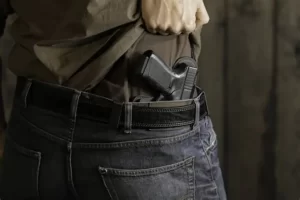 Weapon collecting can be a meaningful hobby built around history, craftsmanship, technical knowledge, recreation, or personal interest. For many enthusiasts, it provides enjoyment without interfering with other areas of life. However, a hobby can sometimes take on a deeper emotional role. When collecting becomes a primary way to manage stress, anxiety, loneliness, insecurity, or questions about identity, the behavior may begin to feel less like a choice and more like a necessity. Understanding this distinction is important because the issue is not the existence of a particular hobby. The issue is whether the hobby is supporting well-being or becoming a substitute for healthier emotional coping.
Cueroyacero approaches behavioral and mental health concerns from a compassionate, individualized perspective. Its existing discussion of weapon fixation emphasizes that intense collecting is not automatically a mental health disorder, but that problems can emerge when the behavior interferes with relationships, responsibilities, finances, or emotional well-being.
Understanding the Emotional Side of Weapon Collecting
People collect for many different reasons. Some appreciate historical significance. Others enjoy craftsmanship, research, organization, or the sense of accomplishment that comes from building a collection.
There is nothing inherently unhealthy about having a passionate interest.
The important question is what happens when emotional needs become attached to the activity.
When a Hobby Remains Healthy
A balanced hobby generally leaves room for other parts of life. An enthusiast can enjoy researching or collecting, then shift attention toward work, family, friendships, recreation, and personal responsibilities.
Healthy boundaries may include:
- Spending within a predetermined budget
- Maintaining normal responsibilities
- Taking breaks from the hobby comfortably
- Enjoying interests outside collecting
- Maintaining healthy relationships
- Viewing the hobby as enjoyable rather than necessary for emotional stability
In this situation, weapon collecting can remain one meaningful part of a person’s life.
When Collecting Becomes Emotionally Driven
The situation can change when collecting becomes a primary source of emotional relief. Someone may begin researching or acquiring items whenever they feel anxious or overwhelmed. Over time, the behavior can become an automatic response to emotional discomfort.
Warning signs may include constantly thinking about collecting, feeling distressed when unable to participate, spending more than intended, neglecting responsibilities, or using the hobby to avoid difficult emotions. These signs do not automatically indicate addiction, but they can signal a need for greater self-awareness and possibly professional support.
How Stress Can Influence Collecting Behavior
Stress affects everyone differently. When people experience prolonged pressure, they often look for activities that provide distraction, structure, or a sense of accomplishment.
A detailed hobby can provide all three.
Creating a Sense of Order
Collecting can involve organization, research, categorization, and careful attention to detail. These activities may provide a welcome sense of structure when other parts of life feel unpredictable.
For someone dealing with workplace pressure, relationship problems, financial uncertainty, or major life changes, focusing on a familiar interest can temporarily make the world feel more manageable.
The difficulty arises when that temporary relief becomes the only reliable coping mechanism.
Escaping From Emotional Overload
A hobby can give the mind something concrete to focus on. Researching an item or thinking about a collection may temporarily push uncomfortable thoughts into the background.
However, distraction is not the same as emotional resolution.
If collecting consistently helps someone avoid grief, anxiety, loneliness, anger, or other difficult feelings, those emotions may remain unresolved beneath the surface.
The Connection Between Anxiety and the Need for Control
Anxiety often involves uncertainty. People may worry about what could happen, whether they are prepared, or whether they can protect themselves from unexpected circumstances.
For some individuals, weapon collecting can become connected to feelings of preparedness or control.
Control Can Feel Reassuring
Having a structured interest can provide a sense of certainty. Researching a subject, developing expertise, or maintaining an organized collection may feel predictable.
That feeling can be comforting.
However, emotional wellness requires learning to tolerate some uncertainty rather than attempting to eliminate it entirely. If collecting becomes increasingly necessary to feel safe or calm, exploring the underlying anxiety may be more beneficial than continually expanding the collection.
Recognizing Anxiety Driven Patterns
Consider what happens when you feel anxious.
Do you immediately turn toward collecting? Do you feel significantly calmer after researching or acquiring something? Does the relief disappear when another stressful situation occurs?
If the same cycle repeats, the behavior may be functioning as an emotional coping strategy.
How Identity Can Become Connected to a Hobby
Identity is another important part of the picture.
A specialized interest can give people confidence, expertise, community, and a sense of belonging. Becoming knowledgeable about a subject can be genuinely rewarding.
Problems can develop when a person’s entire sense of self becomes dependent on that interest.
When Expertise Becomes Self-Worth
Imagine that someone receives most of their confidence from being the person who knows the most about a particular subject. If the hobby becomes less accessible, they may suddenly feel uncertain about who they are.
This is why a healthy identity benefits from multiple sources of meaning.
Family relationships, friendships, career goals, spirituality, exercise, creativity, service, education, and other interests can all contribute to a stronger sense of self.
Building an Identity Beyond Collecting
Expanding your life does not mean abandoning a meaningful hobby. Instead, it means making sure the hobby is not carrying the entire weight of your emotional identity.
Ask yourself:
- What qualities do I value in myself besides my knowledge of this hobby?
- What relationships give my life meaning?
- What goals would I pursue if collecting were temporarily unavailable?
- Where else do I experience accomplishment?
- What activities help me feel connected to other people?
These questions can reveal opportunities for personal growth.
Recognizing When Stress and Collecting Are Connected
It can be useful to track patterns for several weeks.
Identify the Trigger
Before engaging in the hobby, pause and ask what you are feeling.
You may notice that urges become stronger after:
- A difficult conversation
- A stressful workday
- Feelings of loneliness
- Financial worries
- Boredom
- Anxiety about the future
- Conflict with someone close to you
- Feelings of inadequacy or insecurity
Identifying a trigger does not mean you have to judge yourself. It simply provides useful information.
Notice the Short Term Reward
Next, consider what the hobby provides emotionally.
Does it make you feel calmer? More confident? Safer? More accomplished? Less lonely?
Understanding the reward can help identify what emotional need deserves attention.
Develop Additional Coping Strategies
Once the pattern becomes clearer, add other ways to manage the same emotions.
Exercise can help with stress. Mindfulness can improve emotional awareness. Time with supportive people can reduce loneliness. Creative activities can provide accomplishment. Spiritual practices can create meaning and perspective.
The goal is to have several healthy ways to respond when difficult emotions appear.
When Professional Mental Health Support Can Help
Self-reflection can be valuable, but some patterns are difficult to change alone. Professional support may be appropriate when collecting or weapon fixation is affecting daily functioning, relationships, finances, emotional health, or other responsibilities.
Cueroyacero emphasizes individualized care that considers the person behind the behavior. Its existing content describes individual therapy, inpatient and outpatient programs, holistic approaches, faith based support, and treatment for co-occurring mental health concerns.
Individual Therapy
Counseling can help identify emotional triggers and examine the thoughts and feelings connected to compulsive patterns. Therapy can also help individuals develop healthier coping skills and improve emotional regulation.
Inpatient and Outpatient Treatment
The appropriate level of care depends on individual circumstances. Some people benefit from a structured inpatient environment, while others may receive meaningful support through outpatient treatment while continuing their everyday responsibilities.
Holistic Support
Mental health involves the whole person. Stress management, mindfulness, physical wellness, healthy routines, and meaningful activities can complement traditional therapeutic work.
Faith Based Care
For individuals who draw strength from spirituality, faith based treatment can provide an additional source of hope, purpose, connection, and encouragement.
Co-Occurring Mental Health and Addiction Concerns
Stress, anxiety, trauma, depression, substance use, and compulsive behaviors can overlap. Addressing interconnected concerns rather than treating each issue in isolation can create a more comprehensive recovery plan.
Practical Ways to Restore Balance
If you are concerned that weapon collecting has become too emotionally important, consider a few practical steps.
Create Clear Boundaries
Set realistic limits around time, spending, and attention. Avoid making emotionally driven purchases, particularly when you are experiencing intense stress.
Maintain Other Interests
Continue developing activities that have nothing to do with collecting. A broader range of interests can reduce emotional dependence on one hobby.
Protect Relationships
Make time for family, friends, and community. Healthy relationships provide emotional support that no collection can replace.
Practice Emotional Awareness
Instead of immediately distracting yourself from an uncomfortable emotion, spend a few minutes identifying it. Naming what you feel can be the first step toward deciding what you actually need.
Conclusion: Your Hobby Should Add to Your Life, Not Carry It
Weapon collecting can be a legitimate and rewarding interest. The concern is not how passionate someone is or how extensive a collection may be. What matters is the role the hobby plays in emotional life.
When stress, anxiety, or identity become heavily tied to collecting, the behavior can gradually become harder to control. Recognizing that connection is not a reason for shame. It is an opportunity to understand yourself more deeply and develop healthier ways to cope.
At Cueroyacero, compassionate and individualized treatment can help people explore the emotional experiences behind difficult behavioral patterns. Through mental health treatment, addiction recovery services, inpatient and outpatient care, holistic approaches, and faith based support, individuals can work toward greater emotional stability and a healthier sense of purpose.
If your hobby has started affecting your peace of mind, relationships, responsibilities, or ability to manage stress, consider taking the next step and speaking with a qualified mental health professional. You do not necessarily have to give up an interest that matters to you. With the right support, you can learn to enjoy your passions while building a life that is not dependent on them for emotional balance.
When Collecting Feels Necessary: Understanding the Emotional Pull Behind Weapon Enthusiasm
A strong interest in weapons does not automatically signal a mental health concern. For many people, collecting firearms, historical weapons, or other related items is connected to history, craftsmanship, sport, preparedness, or personal identity. Cueroyacero’s own content recognizes that collectors can have very different motivations, including historical appreciation, self reliance, craftsmanship, and personal expression. However, there is an important distinction between enjoying a hobby and feeling as though you cannot step away from it. When collecting starts to feel necessary for managing stress, anxiety, insecurity, or difficult emotions, it may be worth examining what the behavior is providing emotionally. Understanding that emotional pull can be an important part of improving mental health and finding healthier ways to cope.
When a Passion Becomes Emotionally Necessary
A healthy hobby can be absorbing without becoming controlling. Someone might spend a weekend learning about historical pieces, maintaining a collection, or talking with other enthusiasts, then comfortably turn their attention toward work, family, relationships, and other interests.
A problem may develop when the hobby begins to feel necessary rather than enjoyable.
For example, a person might experience strong urges to research or acquire another item whenever they feel overwhelmed. They may repeatedly think about their collection during work or family time. They might also experience frustration, anxiety, or irritability when they cannot participate in the hobby.
The number of items someone owns is not enough to determine whether a problem exists. The more useful question is whether collecting is affecting daily functioning and emotional well-being.
Questions Worth Asking
Consider these questions honestly:
- Do I collect because I genuinely enjoy the hobby, or because it temporarily makes uncomfortable feelings disappear?
- Can I take a break without becoming unusually distressed?
- Have I spent more money than I intended?
- Has collecting caused conflict with people close to me?
- Am I neglecting responsibilities because of my interest?
- Do I increasingly rely on collecting when I feel anxious, lonely, angry, or overwhelmed?
There is no shame in answering yes. These questions are simply opportunities for self awareness.
Why Collecting Can Feel So Rewarding
Understanding the emotional pull behind weapon enthusiasm requires looking beyond the objects themselves. Cueroyacero’s existing material identifies several reasons people collect, including history, investment, preparedness, recreation, craftsmanship, and identity. These motivations can be meaningful and healthy. However, the same activities can sometimes become connected to emotional needs.
Creating Structure and Predictability
When life feels chaotic, organizing a collection can provide order. Researching an item, comparing information, or maintaining an organized inventory gives the mind a specific task and a clear sense of completion.
That structure can feel calming, especially during stressful periods.
The concern arises when the activity becomes the only reliable way a person knows how to regulate uncomfortable emotions.
Seeking a Sense of Control
Difficult experiences can leave people feeling powerless. A highly structured hobby may create a temporary sense of control and preparedness.
This does not mean that every person interested in preparedness has an emotional problem. Instead, it is helpful to consider whether the desire for control has become excessive or is preventing someone from addressing the fears underneath it.
Finding Identity and Belonging
A specialized interest can connect people with communities that share their knowledge and enthusiasm. That sense of belonging can be valuable.
However, if nearly all of a person’s identity becomes tied to collecting, stepping away from the hobby may feel like losing an important part of themselves. Developing additional sources of meaning can help create greater emotional resilience.
Recognizing an Unhealthy Emotional Pattern
Compulsive behavior is usually about more than the activity itself. It often involves a repeating relationship between uncomfortable emotions and a behavior that provides temporary relief.
The Stress and Relief Cycle
The pattern might look like this:
- Stress, anxiety, loneliness, or another difficult emotion develops.
- The individual turns toward collecting or researching.
- The activity produces temporary excitement, comfort, or distraction.
- The difficult emotion eventually returns.
- The person feels another strong urge to engage in the hobby.
Over time, this cycle can become increasingly automatic.
The goal of mental health treatment is not necessarily to eliminate every interest. Instead, treatment can help individuals understand why the behavior feels necessary and develop additional ways to respond to emotional distress.
Signs That Professional Support May Help
Not everyone who collects weapons needs treatment. However, professional mental health support may be appropriate when the behavior begins interfering with everyday life.
Emotional Warning Signs
Pay attention to persistent:
- Anxiety when unable to engage with the hobby
- Irritability surrounding limits on collecting
- Feelings of guilt or shame after purchases
- Difficulty concentrating on other areas of life
- Dependence on collecting to feel calm or secure
Lifestyle Warning Signs
There may also be practical consequences, such as:
- Financial problems
- Relationship conflict
- Social withdrawal
- Neglected responsibilities
- Sleep disruption
- Reduced interest in other meaningful activities
These concerns deserve attention regardless of how many items are in a collection.
Healthier Ways to Manage Emotional Needs
Recognizing a compulsive pattern is only the beginning. The next step is finding healthier ways to meet the emotional needs that collecting may have been fulfilling.
Identify Your Triggers
Start noticing what happens immediately before an urge appears.
Are you stressed after work? Feeling lonely? Experiencing conflict? Worried about the future?
Keeping a simple journal can reveal patterns that are difficult to notice in the moment.
Expand Your Coping Skills
Develop several healthy responses to emotional distress. Exercise, mindfulness, creative activities, meaningful relationships, time outdoors, and spiritual practices can all provide alternative ways to manage stress.
The more coping options you have, the less pressure falls on one activity.
Create Reasonable Boundaries
If collecting has become difficult to manage, establish practical limits around time and spending. Avoid making emotionally driven purchases, and make space for responsibilities and relationships that matter to you.
Healthy boundaries do not have to eliminate a meaningful hobby. They can help restore perspective.
How Individualized Mental Health Treatment Can Help
Sometimes self directed changes are not enough. If compulsive collecting appears alongside anxiety, depression, trauma, substance use, or other emotional concerns, professional treatment can address the broader picture.
At Cueroyacero, individualized care can help people explore the underlying reasons behind unhealthy behavioral patterns rather than focusing only on the behavior itself.
Individual Counseling
Therapy can help identify emotional triggers, challenge unhelpful thought patterns, and develop healthier coping strategies.
Inpatient and Outpatient Care
Different individuals require different levels of support. Inpatient treatment can provide a structured environment for those who need intensive care, while outpatient services can offer ongoing support while allowing individuals to continue with daily responsibilities.
Holistic and Faith Based Approaches
Emotional recovery can involve the whole person. Holistic practices can support healthier routines, stress management, and overall wellness. For individuals who value spirituality, faith based care can provide hope, purpose, and connection during the recovery process.
Addiction Recovery and Co Occurring Concerns
Compulsive behaviors can sometimes exist alongside substance use or mental health challenges. Addressing connected concerns together can provide a more comprehensive foundation for recovery.
Finding Control Without Giving Up Meaning
The goal is not to label every passionate collector as unhealthy. Weapon collecting can have legitimate interests rooted in history, craftsmanship, recreation, preparedness, and personal meaning. Cueroyacero’s own discussion of collecting emphasizes the importance of responsibility, secure storage, legal compliance, and ethical ownership.
The more important question is whether the hobby remains one part of a fulfilling life or becomes the primary way a person manages emotional discomfort.
If collecting feels necessary rather than optional, that distinction deserves attention.
Conclusion: Understanding the Need Behind the Behavior
A hobby can provide enjoyment, knowledge, community, and purpose. Yet when collecting becomes the main source of emotional relief, it can hide deeper needs that deserve compassionate attention. Recognizing the emotional pull behind weapon enthusiasm does not require judgment or shame. It requires curiosity, honesty, and a willingness to understand what is happening beneath the surface.
If collecting has begun affecting your relationships, finances, responsibilities, or emotional well-being, professional support can help you understand the pattern and build healthier ways to manage stress. Cueroyacero’s individualized approach to addiction recovery and mental health treatment can provide a supportive setting for exploring those concerns through appropriate inpatient, outpatient, holistic, and faith based care.
You do not have to lose your interests to regain balance. With the right support, it is possible to understand what drives the behavior, strengthen healthier coping skills, and build a life in which your passions remain meaningful without becoming necessary for emotional stability.
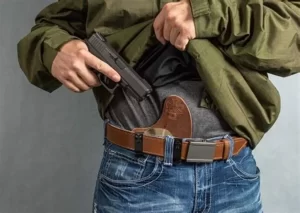 A strong interest in weapons can be part of a meaningful hobby, a fascination with history, or an appreciation for craftsmanship and technical design. For some people, however, that interest can gradually become difficult to control. Thoughts about collecting, researching, or acquiring weapons may begin to occupy more time and emotional energy than intended. When the behavior becomes a primary way to manage anxiety, stress, insecurity, or other difficult emotions, it may be time to look beyond the hobby and consider the underlying need for control. Understanding weapon fixation through a mental health lens can help individuals replace compulsive patterns with healthier coping strategies and regain balance in everyday life.
The Fine Line Between Passion and Preoccupation: How Weapon Interests Can Influence Behavior

A passion for weapon collecting, historical artifacts, or craftsmanship can be an enriching hobby that encourages learning, discipline, and appreciation for history and engineering. For many enthusiasts, this interest remains balanced and enjoyable throughout their lives. However, there are times when a healthy passion gradually becomes an emotional necessity. When collecting or researching weapons begins to dominate daily thoughts, influence decision making, or replace healthy coping strategies, it may signal a deeper emotional struggle. At Cueroyacero, we understand that behaviors are often shaped by underlying mental health needs rather than simple choices. By understanding the fine line between passion and preoccupation, individuals can recognize unhealthy patterns early and take positive steps toward emotional wellness.
When Passion Supports a Healthy Lifestyle
Having a strong interest in a hobby is not a mental health problem. In fact, hobbies often contribute to emotional well-being by reducing stress, building confidence, and creating opportunities for personal growth.
A balanced interest in weapon collecting may involve:
- Learning about history and craftsmanship.
- Participating in responsible collector communities.
- Setting realistic financial boundaries.
- Enjoying the hobby without sacrificing relationships or responsibilities.
- Feeling comfortable taking breaks from collecting.
In these situations, the hobby complements life instead of controlling it.
When Passion Becomes Preoccupation
The transition from healthy enthusiasm to unhealthy preoccupation often happens gradually. Many individuals do not notice the change until emotional stress, financial concerns, or relationship difficulties begin to appear.
Preoccupation occurs when the hobby becomes one of the primary ways a person manages emotions or seeks fulfillment.
Common Warning Signs
Watch for behaviors such as:
- Thinking about collecting throughout most of the day.
- Feeling anxious or restless when unable to engage with the hobby.
- Making impulsive purchases despite financial concerns.
- Neglecting work, family, or personal health.
- Feeling guilty about collecting but struggling to stop.
- Depending on the hobby to improve mood or reduce stress.
These behaviors do not necessarily indicate addiction, but they may suggest that emotional needs are beginning to influence the activity.
Why Weapon Interests Can Become Emotionally Significant
People rarely develop intense behavioral patterns without an underlying reason. Often, hobbies become emotionally important because they provide relief, comfort, or stability during difficult times.
Seeking Stability During Uncertainty
Stressful life events such as career changes, relationship difficulties, financial struggles, or personal loss can leave people searching for something predictable. Collecting provides routines, goals, and organization that create a temporary sense of control.
Managing Anxiety
Researching collections, organizing displays, and searching for new additions can redirect attention away from anxious thoughts. Although this offers short-term relief, it may not address the root causes of anxiety.
Building Identity
Many collectors become highly knowledgeable in their field. This expertise creates confidence and personal satisfaction. However, if identity becomes centered almost entirely on the hobby, emotional challenges may arise when collecting is interrupted.
Escaping Emotional Pain
Some individuals unknowingly use collecting to avoid unresolved trauma, grief, loneliness, depression, or chronic stress. The hobby provides temporary comfort while deeper emotional wounds remain untreated.
How the Brain Reinforces Behavioral Patterns
Every rewarding experience activates the brain’s natural reward system. Successfully finding a desired collectible or completing part of a collection often creates excitement and satisfaction.
Over time, the brain begins connecting collecting with emotional relief. The cycle often develops like this:
- Stress or emotional discomfort appears.
- Collecting provides temporary comfort.
- The brain remembers that rewarding experience.
- Emotional stress returns.
- The urge to collect grows stronger.
Without healthier coping skills, this cycle may become increasingly difficult to interrupt.
The Mental Health Impact of Emotional Preoccupation
As collecting becomes emotionally driven, its effects may extend into many areas of life.
Emotional Effects
Individuals may notice:
- Increased anxiety
- Mood swings
- Irritability
- Emotional dependence on collecting
- Difficulty relaxing without engaging in the hobby
Personal Consequences
Preoccupation can also contribute to:
- Financial strain
- Relationship conflict
- Reduced productivity
- Social isolation
- Neglected responsibilities
Recognizing these effects early allows individuals to seek support before the behavior becomes more disruptive.
Strategies for Restoring Balance
The goal is not to eliminate meaningful interests but to create a healthier relationship with them.
Develop Emotional Awareness
Take time to understand what emotions are driving the urge to collect.
Ask yourself:
- Am I collecting because I enjoy it?
- Am I trying to reduce stress?
- What emotions am I avoiding today?
Honest reflection often provides valuable insight.
Build Multiple Sources of Fulfillment
Emotional wellness grows when life includes several meaningful activities.
Consider adding:
- Physical exercise
- Time with supportive family and friends
- Creative hobbies
- Volunteer opportunities
- Mindfulness practices
- Spiritual activities
Diversifying emotional support reduces dependence on any single hobby.
Establish Healthy Boundaries
Create realistic limits that protect your emotional and financial well-being.
Examples include:
- Setting a monthly spending budget.
- Scheduling dedicated hobby time.
- Avoiding emotional purchases during stressful periods.
- Taking regular breaks from collecting activities.
How Professional Treatment Supports Lasting Recovery
Sometimes behavioral changes require more than self-awareness. At Cueroyacero, we believe every individual deserves compassionate care that addresses both emotional well-being and behavioral health.
Individual Therapy
Personal counseling helps identify emotional triggers, improve coping skills, and develop healthier thought patterns.
Inpatient and Outpatient Programs
Whether someone benefits from structured residential treatment or flexible outpatient care, every recovery plan is personalized to meet individual needs.
Holistic Healing
Mindfulness, wellness practices, stress reduction, nutrition, and healthy lifestyle habits work together to support whole-person healing.
Faith-Based Care
For individuals seeking spiritual guidance, faith-based services provide encouragement, hope, and purpose throughout recovery.
Integrated Mental Health Treatment
Many compulsive behaviors occur alongside anxiety, depression, trauma, or other mental health conditions. Addressing these concerns together creates a stronger path toward long-term wellness.
Conclusion: A Healthy Passion Begins With Emotional Balance
A genuine interest in weapon collecting can remain a rewarding and meaningful part of life. The key is ensuring that the hobby supports emotional well-being rather than becoming the primary source of comfort or identity.
At Cueroyacero, we understand that behavioral challenges often reflect deeper emotional experiences. Through individualized addiction recovery services, comprehensive mental health treatment, inpatient and outpatient care, holistic therapies, and faith-based support, we help individuals uncover the root causes of unhealthy behavioral patterns while building healthier ways to cope. If your passion has begun to feel more like a burden than a source of enjoyment, reaching out for professional support can help you restore balance, strengthen emotional resilience, and move forward with confidence and hope.
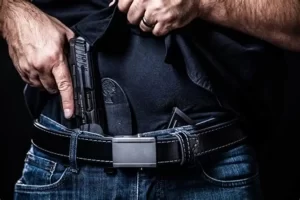 A passion for collecting or studying weapons can be both rewarding and educational. Many enthusiasts appreciate historical significance, mechanical design, craftsmanship, or cultural heritage. For most people, this interest remains a balanced hobby that enriches their lives without interfering with daily responsibilities. However, there are times when enthusiasm gradually shifts into emotional dependence. When a hobby becomes the primary way to cope with stress, anxiety, or difficult emotions, it may begin affecting mental health. At Cueroyacero, we understand that behavioral patterns often reflect deeper emotional needs. Recognizing when a healthy interest becomes a hidden struggle is an important step toward building lasting emotional wellness and restoring balance.
 For many people, collecting weapons is a hobby rooted in an appreciation for history, craftsmanship, engineering, or cultural significance. It can encourage learning, discipline, and responsible ownership while providing a sense of accomplishment. However, there are times when collecting evolves beyond personal enjoyment and becomes emotionally consuming. When thoughts about acquiring, researching, or expanding a collection begin to dominate daily life, it may reflect deeper emotional struggles rather than simple enthusiasm. At Cueroyacero, we understand that behaviors often develop as responses to emotional needs. Exploring the emotional triggers behind weapon obsession can help individuals recognize unhealthy patterns and take meaningful steps toward healing and balance.
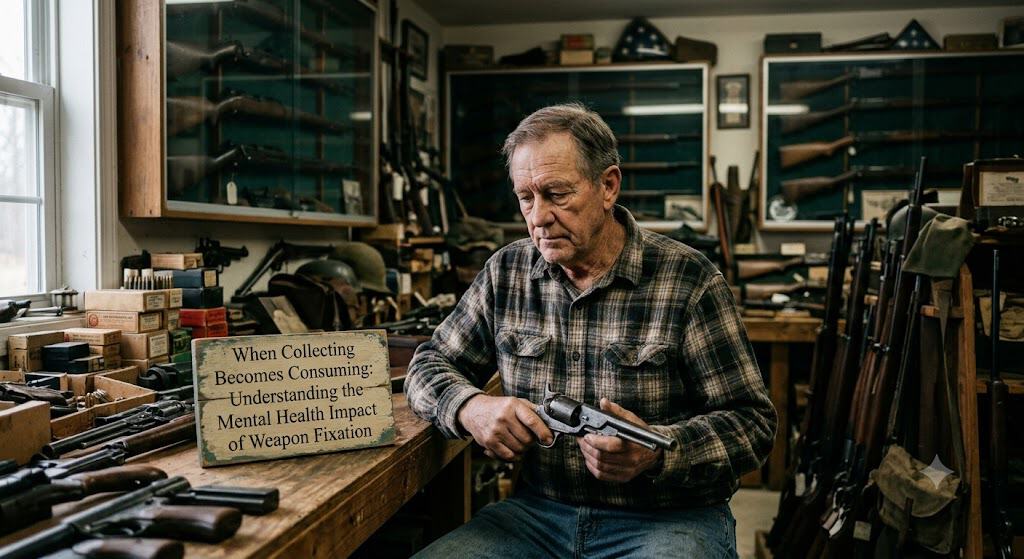 Collecting can be a meaningful hobby that brings enjoyment, curiosity, and a sense of accomplishment. For many people, weapon collecting reflects an appreciation for history, craftsmanship, engineering, or personal interests. However, there are situations where collecting shifts from a healthy pastime into a consuming focus that begins to affect emotional health, relationships, and daily responsibilities. At Cueroyacero, we understand that behaviors are often connected to deeper emotional experiences. When a hobby becomes difficult to control, exploring the mental health factors behind it can help individuals regain balance and develop healthier coping strategies.