Breaking the Cycle: How Compulsive Weapon Collecting Connects to Emotional Coping
Posted By Guest, On: April 25, 2026 , In: Uncategorized , 0 Comments
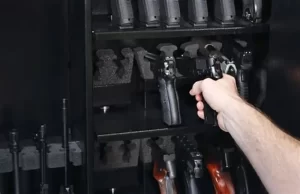 Compulsive weapon collecting is often misunderstood as simply a strong hobby or personal interest. In reality, when collecting begins to feel driven, stressful, or difficult to control, it may be connected to deeper emotional coping patterns. At Cueroyacero, we recognize that behaviors like this rarely exist in isolation. They often develop as a way to manage stress, anxiety, trauma, or emotional discomfort. Understanding this connection is an important step toward breaking the cycle and restoring balance in life.
Understanding Compulsive Weapon Collecting
Weapon collecting itself is not inherently harmful. Many individuals enjoy the history, craftsmanship, and discipline involved. However, compulsive collecting occurs when the behavior becomes emotionally driven rather than enjoyment based.
Over time, the urge to acquire or maintain items may begin to feel necessary rather than optional. This shift often signals that the behavior is serving a deeper emotional purpose.
Signs the Behavior May Be Compulsive
Some common indicators include:
- Feeling anxious or unsettled when not engaging in collecting
- Repeated urges to acquire new items even when unnecessary
- Financial strain due to ongoing purchases
- Neglecting responsibilities or relationships
- Feeling temporary relief followed by guilt or stress
When these patterns appear, the behavior may be functioning as a coping mechanism rather than a hobby.
The Emotional Coping Cycle Behind Collecting
Compulsive weapon collecting is often tied to emotional regulation. When individuals experience stress, uncertainty, or emotional discomfort, the brain naturally seeks relief. Collecting can provide a temporary sense of control, focus, or satisfaction.
How the Cycle Develops
The emotional cycle typically follows a pattern:
- Emotional stress or discomfort arises
- The urge to collect or engage with weapons increases
- Acquisition or engagement provides temporary relief
- The relief fades, leaving emotional discomfort again
- The cycle repeats with increasing intensity
This loop can become reinforcing over time, making it harder to break without support.
Emotional Drivers Behind Compulsive Collecting
Understanding the emotional roots of this behavior is essential for meaningful change. Compulsive collecting is often linked to deeper psychological needs that have not been fully addressed.
Common Underlying Factors
- Stress and Anxiety: Collecting may serve as a distraction from overwhelming emotions
- Need for Control: Structured hobbies can create a sense of stability during uncertain times
- Unresolved Trauma: Past experiences may influence coping behaviors
- Identity and Self Worth: Collecting may become tied to personal value or identity
- Emotional Numbness: The hobby may be used to fill feelings of emptiness or disconnection
When these needs are unmet, the behavior can intensify as a form of emotional regulation.
How Compulsive Collecting Affects Mental Health
While collecting may provide short term relief, compulsive patterns can contribute to long term emotional strain. Individuals may experience increased anxiety, guilt, or isolation. Relationships may become strained, and financial stress can add additional pressure.
Over time, reliance on collecting as a coping tool can prevent the development of healthier emotional skills.
How Mental Health Treatment Helps Break the Cycle
At Cueroyacero, we provide compassionate and individualized care designed to address both behavior and underlying emotional needs. Our approach focuses on long term healing, not just symptom management.
Our Integrated Treatment Approach Includes
- Inpatient and outpatient mental health and addiction care
- Individual therapy to explore emotional triggers and patterns
- Group therapy for support and shared healing experiences
- Holistic therapies such as mindfulness and stress regulation techniques
- Faith based support for those seeking spiritual grounding
- Care for co occurring mental health conditions
This comprehensive approach helps individuals understand the emotional roots of compulsive behavior and build healthier coping strategies.
Practical Steps to Begin Breaking the Cycle
Change begins with awareness and small intentional actions. Individuals can start by:
Identifying Emotional Triggers
Notice what emotions arise before the urge to collect. Stress, boredom, or sadness are common triggers.
Creating Healthy Alternatives
Replace compulsive urges with healthier coping strategies such as exercise, journaling, or social connection.
Setting Clear Boundaries
Establish limits around time, spending, and engagement with collecting.
Seeking Professional Support
Therapy or counseling can provide tools to address emotional drivers and break the cycle more effectively.
Conclusion: Moving From Coping to Healing
Compulsive weapon collecting is often less about the objects and more about the emotions behind them. When collecting becomes a way to cope with stress or emotional pain, it can create a cycle that is difficult to break alone.
At Cueroyacero, we understand these challenges and provide compassionate, personalized care to help individuals regain control, process emotional struggles, and build healthier coping strategies. If you recognize yourself in these patterns, reaching out for support can be the first step toward breaking the cycle and creating a more balanced, fulfilling life.