Finding Balance Again: Mental Health Strategies for High-Intensity Weapon Enthusiasts
Posted By Guest, On: July 11, 2026 , In: Uncategorized , 0 Comments
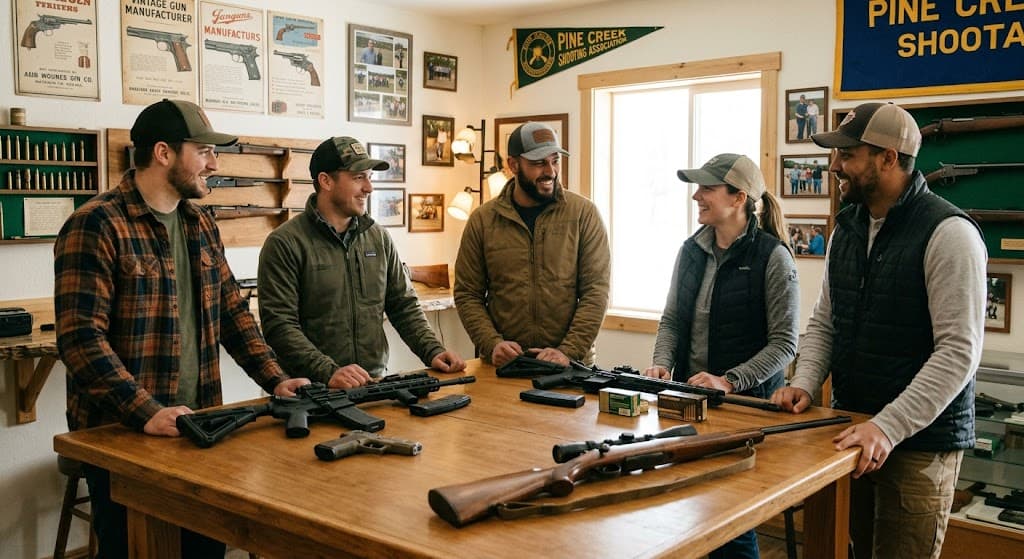 A strong passion can bring purpose, knowledge, and personal fulfillment. For many weapon enthusiasts, collecting, studying, or appreciating historical and mechanical craftsmanship is a rewarding hobby that encourages learning and discipline. However, when that passion begins to consume more time, emotional energy, or attention than intended, it may affect overall well-being. At Cueroyacero, we understand that even healthy interests can become emotionally overwhelming when they are used to cope with stress, anxiety, or other mental health challenges. Finding balance again is not about giving up a meaningful hobby. It is about building a healthier relationship with it while caring for your emotional health.
Why High-Intensity Hobbies Can Affect Mental Health
Many hobbies require dedication and focus. High-intensity interests often become an important part of a person’s identity and daily routine. While this level of engagement can be positive, it may also increase emotional dependence if the hobby becomes the primary source of comfort or stability.
Weapon enthusiasm can provide structure, achievement, and a sense of community. These benefits are valuable. However, if the hobby begins replacing healthy coping skills or interfering with daily life, it may be time to evaluate whether emotional balance has shifted.
Signs That Balance May Be Changing
A few warning signs include:
- Constant thoughts about collecting or researching new items
- Difficulty enjoying time away from the hobby
- Spending more money or time than originally planned
- Feeling anxious, frustrated, or restless when unable to engage
- Neglecting family, work, friendships, or personal wellness
- Using the hobby to avoid stress or difficult emotions
Recognizing these patterns early makes it easier to restore a healthier balance before the behavior becomes more deeply rooted.
Understanding the Emotional Needs Behind Intense Interests
People rarely become deeply attached to an activity without an emotional reason. Often, the hobby fulfills important psychological needs that may not be immediately obvious.
Seeking Stability During Stress
Periods of uncertainty, personal loss, or emotional pressure often increase the desire for activities that provide predictability and routine.
Managing Anxiety
Detailed hobbies encourage concentration, which can temporarily quiet anxious thoughts and reduce emotional overwhelm.
Building Confidence
Knowledge, expertise, and achievement within a hobby can strengthen self-esteem and provide a sense of accomplishment.
Escaping Emotional Pain
For some individuals, collecting becomes a temporary escape from grief, loneliness, trauma, or depression. Although the relief feels genuine, the underlying emotions often remain unresolved.
Understanding these emotional connections helps remove self-judgment and opens the door to healthier coping strategies.
Healthy Mental Health Strategies for Weapon Enthusiasts
The goal is not to eliminate a meaningful interest. Instead, it is to make sure the hobby remains one positive part of a balanced and fulfilling life.
Develop Greater Self Awareness
Take time to notice when your interest feels most intense.
Ask yourself questions such as:
- Am I collecting because I enjoy it?
- Am I trying to reduce stress or difficult emotions?
- How do I feel if I cannot engage with this hobby today?
Honest reflection often reveals valuable insights.
Create Healthy Boundaries
Setting practical limits can help maintain balance.
Healthy boundaries may include:
- Creating a monthly collecting budget
- Scheduling dedicated hobby time
- Prioritizing family, work, and personal responsibilities
- Avoiding impulsive purchases during periods of emotional stress
Boundaries support long-term enjoyment while reducing emotional dependence.
Strengthen Other Sources of Fulfillment
Emotional resilience grows when life includes multiple meaningful experiences.
Consider adding:
- Regular physical exercise
- Volunteer work
- Creative hobbies
- Time with supportive family and friends
- Mindfulness or meditation practices
- Outdoor activities that promote relaxation
Diversifying your interests helps prevent any one activity from carrying the full weight of emotional well-being.
When Professional Support Can Help
Sometimes emotional patterns become difficult to manage alone. If collecting has become closely connected to anxiety, depression, trauma, or compulsive behaviors, professional support can provide meaningful guidance.
At Cueroyacero, we offer compassionate, individualized care that focuses on understanding the whole person rather than simply addressing symptoms.
Our Comprehensive Treatment Approach
Our services may include:
Individual Therapy
Therapists work collaboratively with each person to explore emotional triggers, behavioral patterns, and healthy coping strategies.
Inpatient and Outpatient Programs
Flexible treatment options allow individuals to receive the level of care that best supports their recovery journey.
Holistic Therapies
Mindfulness, wellness activities, stress reduction techniques, and healthy lifestyle practices strengthen emotional and physical well-being together.
Faith-Based Support
For individuals seeking spiritual guidance, faith-based care provides encouragement, hope, and purpose throughout recovery.
Treatment for Co-Occurring Mental Health Conditions
Anxiety, depression, trauma, and behavioral concerns are often interconnected. Treating them together creates a stronger foundation for lasting healing.
Building Long-Term Emotional Balance
Recovery is not about perfection. It is about developing awareness, practicing healthy habits, and responding to emotional challenges with compassion rather than avoidance.
A balanced lifestyle includes meaningful hobbies, supportive relationships, healthy coping skills, and the willingness to seek help when needed. Over time, these habits strengthen resilience and improve overall quality of life.
Conclusion: Your Passion Can Remain Part of a Healthy Life
Weapon enthusiasm can continue to be an enjoyable and rewarding hobby when it exists within a balanced lifestyle. The key is recognizing when emotional needs begin driving the behavior rather than simple enjoyment.
At Cueroyacero, we believe lasting wellness comes from addressing the emotional experiences behind behaviors while supporting the whole person through compassionate, individualized care. Our addiction recovery services, mental health treatment, inpatient and outpatient programs, holistic therapies, and faith-based support are designed to help individuals rediscover balance and build healthier coping strategies. If your passion has begun to feel overwhelming, reaching out for professional support can be the first step toward renewed emotional health, stronger relationships, and a more fulfilling future.