Beyond the Hobby: How Weapon Collecting Can Become a Coping Mechanism
Posted By Guest, On: May 19, 2026 , In: Uncategorized , 0 Comments
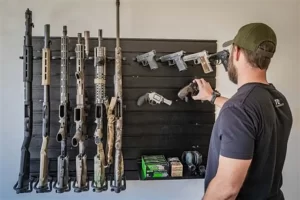 Weapon collecting is often viewed as a personal interest rooted in history, craftsmanship, discipline, or appreciation for unique items. For many individuals, it remains a healthy and enjoyable hobby. However, there are times when collecting begins to serve a deeper emotional purpose. At Cueroyacero, we understand that behaviors tied to collecting can sometimes become coping mechanisms for stress, anxiety, trauma, or emotional discomfort. Recognizing this shift is an important step toward protecting mental health and restoring balance.
Understanding the Emotional Side of Collecting
Hobbies naturally provide enjoyment and relaxation. They offer structure, focus, and a break from everyday pressures. However, when emotional dependence develops, the hobby can begin to feel less like a choice and more like a necessity.
Weapon collecting may become emotionally reinforcing because it creates temporary feelings of control, comfort, achievement, or distraction. While these feelings can provide short term relief, they may also prevent deeper emotional struggles from being addressed directly.
Signs the Hobby May Be Becoming a Coping Mechanism
It can be difficult to recognize when a healthy interest shifts into emotional reliance. Some common warning signs include:
- Feeling emotionally unsettled when unable to collect or engage with the hobby
- Using collecting to avoid stress, sadness, or anxiety
- Spending excessive amounts of time or money on acquisitions
- Neglecting relationships or responsibilities
- Feeling temporary relief after collecting, followed by guilt or emotional discomfort
These patterns often point to emotional needs that require attention and support.
Why People Turn to Collecting for Emotional Relief
The human mind naturally searches for ways to reduce discomfort and regain stability during difficult periods. Structured hobbies can provide a predictable and emotionally rewarding outlet.
Common Emotional Drivers Behind Compulsive Collecting
Several emotional factors may contribute to weapon collecting becoming a coping mechanism:
Stress and Anxiety
Collecting can create a sense of focus and distraction that temporarily reduces anxious thoughts or emotional overwhelm.
Need for Control
During periods of uncertainty or emotional instability, structured hobbies may provide feelings of order and predictability.
Emotional Escape
For some individuals, collecting becomes a way to avoid painful emotions, unresolved trauma, or difficult life situations.
Identity and Validation
The hobby may become closely connected to self worth, personal identity, or feelings of accomplishment.
While these emotional drivers are understandable, relying heavily on one behavior for emotional regulation can create imbalance over time.
The Mental Health Impact of Emotional Dependence
When weapon collecting becomes emotionally driven, it can begin to affect mental health in several ways. Individuals may experience heightened anxiety, emotional isolation, financial strain, or relationship conflict. The temporary relief provided by collecting often fades quickly, creating a cycle where the urge to collect returns again and again.
This emotional cycle can resemble patterns seen in behavioral addiction, where the activity becomes tied to emotional survival rather than simple enjoyment.
How Professional Support Helps Break the Pattern
At Cueroyacero, we provide individualized mental health and addiction recovery services designed to address the emotional roots of compulsive behaviors. We believe healing happens when the whole person is supported emotionally, mentally, physically, and spiritually.
Our Holistic Treatment Approach Includes
- Inpatient and outpatient mental health treatment
- Addiction recovery support for behavioral patterns and compulsive behaviors
- Individual therapy to identify emotional triggers and coping patterns
- Group counseling for connection and shared healing
- Holistic therapies such as mindfulness and stress management practices
- Faith based support for individuals seeking spiritual growth and grounding
- Care for co-occurring mental health conditions
This compassionate approach helps individuals replace unhealthy coping mechanisms with healthier emotional tools and long term resilience.
Practical Ways to Rebuild Balance
Healing does not require giving up personal interests completely. Instead, it involves creating a healthier relationship with the hobby while developing additional ways to cope with stress and emotional discomfort.
Increase Emotional Awareness
Pay attention to emotional triggers that increase the urge to collect. Awareness is often the first step toward meaningful change.
Set Healthy Boundaries
Create realistic limits around spending, time, and collecting frequency to reduce impulsive behavior.
Explore Alternative Coping Skills
Activities such as exercise, journaling, meditation, creative expression, or social connection can provide emotional relief in healthier ways.
Reach Out for Professional Guidance
Mental health support can help uncover the deeper emotional factors driving compulsive collecting and provide personalized tools for recovery.
Conclusion: Finding Healing Beyond the Collection
Weapon collecting can remain a fulfilling and meaningful hobby when approached with balance and self awareness. However, when the behavior becomes tied to emotional coping, it may signal deeper struggles that deserve attention and care.
At Cueroyacero, we provide compassionate, holistic, and individualized support for people navigating behavioral challenges, emotional stress, and mental health concerns. If collecting has started to feel emotionally necessary rather than enjoyable, reaching out for help can be the first step toward healing, balance, and lasting well-being.