Healthy Interest or Hidden Struggle? Recognizing When Weapon Enthusiasm Affects Mental Health
Posted By Guest, On: July 29, 2026 , In: Uncategorized , 0 Comments
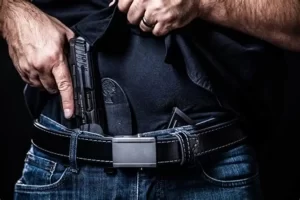 A passion for collecting or studying weapons can be both rewarding and educational. Many enthusiasts appreciate historical significance, mechanical design, craftsmanship, or cultural heritage. For most people, this interest remains a balanced hobby that enriches their lives without interfering with daily responsibilities. However, there are times when enthusiasm gradually shifts into emotional dependence. When a hobby becomes the primary way to cope with stress, anxiety, or difficult emotions, it may begin affecting mental health. At Cueroyacero, we understand that behavioral patterns often reflect deeper emotional needs. Recognizing when a healthy interest becomes a hidden struggle is an important step toward building lasting emotional wellness and restoring balance.
Understanding the Difference Between Passion and Emotional Dependence
Enjoying a hobby does not automatically indicate a problem. Healthy interests promote relaxation, learning, social connection, and personal satisfaction. They complement other aspects of life rather than replacing them.
The concern arises when weapon enthusiasm becomes emotionally necessary instead of simply enjoyable. At that point, the activity may begin influencing thoughts, emotions, relationships, and decision making in unhealthy ways.
Characteristics of a Healthy Hobby
A balanced interest usually allows individuals to:
- Enjoy collecting without feeling compelled to do it constantly.
- Maintain healthy relationships with family and friends.
- Stay financially responsible.
- Balance work, personal responsibilities, and recreation.
- Step away from the hobby without experiencing significant distress.
These characteristics show that the hobby supports overall well-being instead of controlling it.
When Enthusiasm May Become a Hidden Struggle
Sometimes emotional dependence develops gradually. Warning signs may include:
- Thinking about collecting throughout the day.
- Feeling restless or anxious when unable to engage with the hobby.
- Prioritizing collecting over important responsibilities.
- Spending beyond comfortable financial limits.
- Using collecting to avoid emotional pain or stressful situations.
- Feeling guilty after purchases but continuing the behavior anyway.
Recognizing these signs early allows individuals to seek support before the behavior becomes more difficult to manage.
Why Weapon Enthusiasm Can Become Emotionally Significant
Every behavior serves a purpose. When collecting becomes emotionally consuming, it often reflects an attempt to meet psychological needs rather than simply expand a collection.
Coping With Stress
Life’s challenges can create ongoing emotional pressure. Researching, organizing, and acquiring collectibles may provide temporary relief by shifting attention away from stressful thoughts.
Managing Anxiety
High-intensity hobbies often create structure and predictability. For someone struggling with anxiety, this sense of order may temporarily reduce emotional discomfort.
Seeking Identity and Purpose
Many enthusiasts become experts in their chosen field. Building knowledge and sharing it with others can strengthen confidence and create a meaningful sense of identity.
While this can be positive, relying exclusively on a hobby for self-worth may create emotional vulnerability.
Escaping Difficult Emotions
Some individuals unknowingly use collecting to avoid grief, loneliness, depression, trauma, or unresolved emotional pain. Although the hobby may provide temporary comfort, the underlying challenges often remain untreated.
The Connection Between Behavioral Patterns and Mental Health
Mental health concerns and behavioral habits frequently influence one another. Anxiety, depression, chronic stress, or trauma can make emotionally rewarding activities feel increasingly necessary.
As the behavior is repeated, the brain begins associating collecting with relief and emotional comfort. This cycle can gradually strengthen over time.
The pattern often looks like this:
- Emotional stress appears.
- Collecting provides temporary relief.
- The brain remembers that positive feeling.
- Stress returns.
- The urge to collect becomes stronger.
Without healthier coping skills, this cycle may continue indefinitely.
Mental Health Strategies That Promote Balance
The good news is that balance can be restored without giving up meaningful interests. Recovery focuses on understanding emotional needs while developing healthier ways to meet them.
Increase Emotional Awareness
Pay attention to your emotional state before engaging in the hobby.
Ask yourself:
- Am I collecting because I genuinely enjoy it?
- Am I trying to reduce stress or anxiety?
- What emotions am I experiencing today?
These questions encourage honest self-reflection.
Diversify Your Sources of Fulfillment
Healthy emotional wellness comes from multiple areas of life.
Consider spending time on:
- Exercise
- Creative activities
- Volunteer opportunities
- Family relationships
- Spiritual practices
- Outdoor recreation
- Mindfulness exercises
Having several healthy outlets reduces emotional dependence on any one activity.
Establish Healthy Boundaries
Creating reasonable limits helps preserve enjoyment.
Examples include:
- Setting a monthly collecting budget.
- Scheduling hobby time around personal responsibilities.
- Taking regular breaks from researching or purchasing items.
- Avoiding emotionally driven buying decisions.
When Professional Support Makes a Difference
Sometimes deeper emotional patterns require professional guidance. At Cueroyacero, we provide compassionate care that addresses both mental health concerns and behavioral challenges through individualized treatment plans.
Individual Therapy
Personal counseling helps identify emotional triggers, improve coping skills, and build healthier thinking patterns.
Inpatient and Outpatient Programs
Whether someone needs intensive support or flexible outpatient care, treatment is tailored to meet each person’s unique circumstances.
Holistic Healing
Mindfulness, wellness activities, nutrition, stress management, and healthy lifestyle practices support recovery from the inside out.
Faith-Based Care
For individuals who desire spiritual support, faith-based services provide hope, encouragement, and renewed purpose throughout the healing journey.
Integrated Mental Health Treatment
Anxiety, depression, trauma, and compulsive behaviors often occur together. Treating these conditions simultaneously improves long-term recovery outcomes.
Recovery Is About Balance, Not Perfection
Healing does not mean abandoning meaningful hobbies. Instead, it means ensuring that personal interests enhance life rather than control it.
Developing emotional awareness, strengthening coping skills, and seeking support when needed allows individuals to enjoy their passions while maintaining healthy relationships, emotional resilience, and personal well-being.
Conclusion: Choose Wellness Without Losing Your Passion
Weapon enthusiasm can remain a rewarding hobby when it exists within a healthy, balanced lifestyle. However, if collecting begins affecting emotional health, relationships, finances, or daily functioning, it may be time to look beyond the hobby itself.
At Cueroyacero, we believe every behavior has a story, and every individual deserves compassionate care that addresses the root causes behind emotional struggles. Through personalized mental health treatment, addiction recovery services, inpatient and outpatient care, holistic therapies, and faith-based support, we help individuals build healthier coping strategies and rediscover emotional balance. If your passion has become a hidden source of stress, reaching out for professional support can be the first step toward lasting healing and a healthier future.