The Fine Line Between Passion and Preoccupation: How Weapon Interests Can Influence Behavior
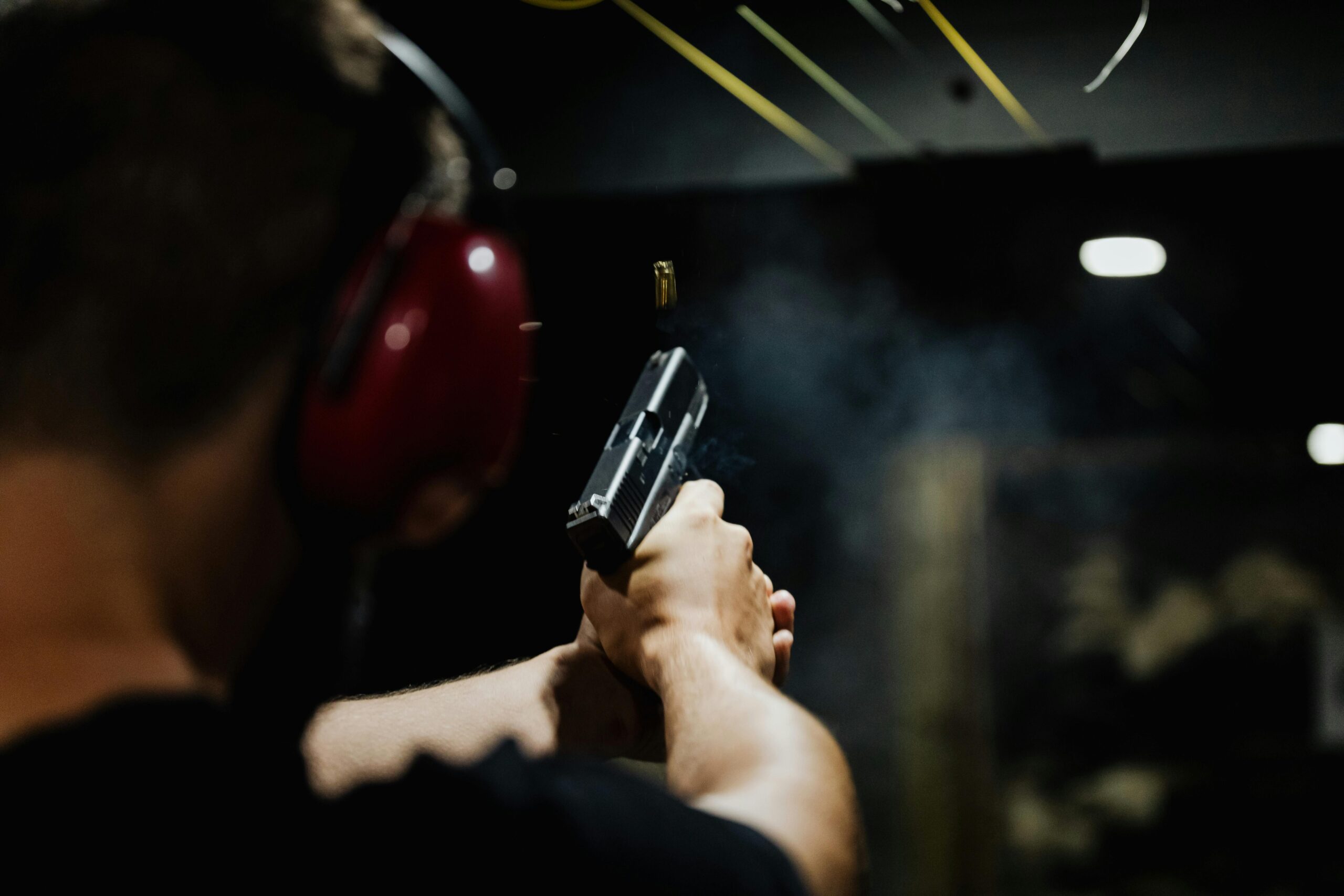
A passion for weapon collecting, historical artifacts, or craftsmanship can be an enriching hobby that encourages learning, discipline, and appreciation for history and engineering. For many enthusiasts, this interest remains balanced and enjoyable throughout their lives. However, there are times when a healthy passion gradually becomes an emotional necessity. When collecting or researching weapons begins to dominate daily thoughts, influence decision making, or replace healthy coping strategies, it may signal a deeper emotional struggle. At Cueroyacero, we understand that behaviors are often shaped by underlying mental health needs rather than simple choices. By understanding the fine line between passion and preoccupation, individuals can recognize unhealthy patterns early and take positive steps toward emotional wellness.
When Passion Supports a Healthy Lifestyle
Having a strong interest in a hobby is not a mental health problem. In fact, hobbies often contribute to emotional well-being by reducing stress, building confidence, and creating opportunities for personal growth.
A balanced interest in weapon collecting may involve:
- Learning about history and craftsmanship.
- Participating in responsible collector communities.
- Setting realistic financial boundaries.
- Enjoying the hobby without sacrificing relationships or responsibilities.
- Feeling comfortable taking breaks from collecting.
In these situations, the hobby complements life instead of controlling it.
When Passion Becomes Preoccupation
The transition from healthy enthusiasm to unhealthy preoccupation often happens gradually. Many individuals do not notice the change until emotional stress, financial concerns, or relationship difficulties begin to appear.
Preoccupation occurs when the hobby becomes one of the primary ways a person manages emotions or seeks fulfillment.
Common Warning Signs
Watch for behaviors such as:
- Thinking about collecting throughout most of the day.
- Feeling anxious or restless when unable to engage with the hobby.
- Making impulsive purchases despite financial concerns.
- Neglecting work, family, or personal health.
- Feeling guilty about collecting but struggling to stop.
- Depending on the hobby to improve mood or reduce stress.
These behaviors do not necessarily indicate addiction, but they may suggest that emotional needs are beginning to influence the activity.
Why Weapon Interests Can Become Emotionally Significant
People rarely develop intense behavioral patterns without an underlying reason. Often, hobbies become emotionally important because they provide relief, comfort, or stability during difficult times.
Seeking Stability During Uncertainty
Stressful life events such as career changes, relationship difficulties, financial struggles, or personal loss can leave people searching for something predictable. Collecting provides routines, goals, and organization that create a temporary sense of control.
Managing Anxiety
Researching collections, organizing displays, and searching for new additions can redirect attention away from anxious thoughts. Although this offers short-term relief, it may not address the root causes of anxiety.
Building Identity
Many collectors become highly knowledgeable in their field. This expertise creates confidence and personal satisfaction. However, if identity becomes centered almost entirely on the hobby, emotional challenges may arise when collecting is interrupted.
Escaping Emotional Pain
Some individuals unknowingly use collecting to avoid unresolved trauma, grief, loneliness, depression, or chronic stress. The hobby provides temporary comfort while deeper emotional wounds remain untreated.
How the Brain Reinforces Behavioral Patterns
Every rewarding experience activates the brain’s natural reward system. Successfully finding a desired collectible or completing part of a collection often creates excitement and satisfaction.
Over time, the brain begins connecting collecting with emotional relief. The cycle often develops like this:
- Stress or emotional discomfort appears.
- Collecting provides temporary comfort.
- The brain remembers that rewarding experience.
- Emotional stress returns.
- The urge to collect grows stronger.
Without healthier coping skills, this cycle may become increasingly difficult to interrupt.
The Mental Health Impact of Emotional Preoccupation
As collecting becomes emotionally driven, its effects may extend into many areas of life.
Emotional Effects
Individuals may notice:
- Increased anxiety
- Mood swings
- Irritability
- Emotional dependence on collecting
- Difficulty relaxing without engaging in the hobby
Personal Consequences
Preoccupation can also contribute to:
- Financial strain
- Relationship conflict
- Reduced productivity
- Social isolation
- Neglected responsibilities
Recognizing these effects early allows individuals to seek support before the behavior becomes more disruptive.
Strategies for Restoring Balance
The goal is not to eliminate meaningful interests but to create a healthier relationship with them.
Develop Emotional Awareness
Take time to understand what emotions are driving the urge to collect.
Ask yourself:
- Am I collecting because I enjoy it?
- Am I trying to reduce stress?
- What emotions am I avoiding today?
Honest reflection often provides valuable insight.
Build Multiple Sources of Fulfillment
Emotional wellness grows when life includes several meaningful activities.
Consider adding:
- Physical exercise
- Time with supportive family and friends
- Creative hobbies
- Volunteer opportunities
- Mindfulness practices
- Spiritual activities
Diversifying emotional support reduces dependence on any single hobby.
Establish Healthy Boundaries
Create realistic limits that protect your emotional and financial well-being.
Examples include:
- Setting a monthly spending budget.
- Scheduling dedicated hobby time.
- Avoiding emotional purchases during stressful periods.
- Taking regular breaks from collecting activities.
How Professional Treatment Supports Lasting Recovery
Sometimes behavioral changes require more than self-awareness. At Cueroyacero, we believe every individual deserves compassionate care that addresses both emotional well-being and behavioral health.
Individual Therapy
Personal counseling helps identify emotional triggers, improve coping skills, and develop healthier thought patterns.
Inpatient and Outpatient Programs
Whether someone benefits from structured residential treatment or flexible outpatient care, every recovery plan is personalized to meet individual needs.
Holistic Healing
Mindfulness, wellness practices, stress reduction, nutrition, and healthy lifestyle habits work together to support whole-person healing.
Faith-Based Care
For individuals seeking spiritual guidance, faith-based services provide encouragement, hope, and purpose throughout recovery.
Integrated Mental Health Treatment
Many compulsive behaviors occur alongside anxiety, depression, trauma, or other mental health conditions. Addressing these concerns together creates a stronger path toward long-term wellness.
Conclusion: A Healthy Passion Begins With Emotional Balance
A genuine interest in weapon collecting can remain a rewarding and meaningful part of life. The key is ensuring that the hobby supports emotional well-being rather than becoming the primary source of comfort or identity.
At Cueroyacero, we understand that behavioral challenges often reflect deeper emotional experiences. Through individualized addiction recovery services, comprehensive mental health treatment, inpatient and outpatient care, holistic therapies, and faith-based support, we help individuals uncover the root causes of unhealthy behavioral patterns while building healthier ways to cope. If your passion has begun to feel more like a burden than a source of enjoyment, reaching out for professional support can help you restore balance, strengthen emotional resilience, and move forward with confidence and hope.