Faith, Recovery, and Control: Overcoming Compulsive Weapon Collecting
 Weapon collecting can begin as a meaningful hobby, a way to appreciate history, craftsmanship, or personal identity. For many, it brings joy and pride. But when collecting becomes a compulsion, it can interfere with finances, relationships, and mental health. Recognizing the signs early is crucial to reclaiming control. At Cueroyacero, we understand that addiction comes in many forms, including behavioral addictions, and that recovery requires compassion, individualized care, and a holistic approach.
Understanding Compulsive Weapon Collecting
Not every collector struggles with addiction. The challenge arises when the act of collecting transforms from enjoyment into a compulsive behavior. Behavioral addiction develops when the desire to acquire, maintain, or expand a collection begins to dominate thoughts and actions, often at the expense of responsibilities and well-being.
Signs your hobby may have become a compulsion:
-
Feeling anxious or irritable when unable to add new items
-
Overspending on acquisitions beyond financial means
-
Hiding purchases or downplaying their significance
-
Neglecting work, family, or personal care
-
Using collecting as a way to cope with stress, anxiety, or loneliness
Recognizing these patterns is the first step toward taking back control and preventing further emotional or relational strain.
Emotional Triggers and Behavioral Patterns
Weapon collecting can carry symbolic weight, representing control, strength, or security. Emotional triggers such as past trauma, stress, or social isolation may reinforce compulsive behaviors. Each new acquisition can provide temporary relief or excitement, but the feeling often fades quickly, prompting further acquisition.
Over time, the collection itself can become a source of stress, with guilt, secrecy, and anxiety replacing the initial joy. Understanding these emotional triggers is essential for addressing the root of the compulsion.
Integrating Faith and Holistic Healing in Recovery
At Cueroyacero, we believe that lasting recovery involves treating the whole person—mind, body, and spirit. Faith-based support can provide guidance, strength, and purpose, helping individuals reconnect with their values while managing compulsive behavior.
Our recovery programs include:
-
Inpatient and outpatient care for structured and flexible treatment options
-
Individual and group therapy to identify emotional triggers and develop coping skills
-
Faith-based counseling to integrate spiritual growth into the healing process
-
Holistic therapies such as mindfulness, creative expression, and physical wellness to restore balance
-
Comprehensive mental health treatment to address co-occurring conditions like anxiety, depression, or trauma
This approach ensures that individuals not only stop compulsive behaviors but also build a life rooted in purpose, balance, and self-awareness.
Regaining Control and Building Balance
Recovery is about reclaiming control over your actions and choices. By addressing the underlying emotional and psychological drivers of compulsive collecting, individuals can rebuild relationships, improve mental health, and enjoy their hobbies without the burden of obsession.
Learning to set boundaries, develop healthy coping strategies, and integrate faith and holistic practices can help restore a sense of freedom and fulfillment. Recovery transforms the relationship with collecting from compulsion to conscious enjoyment.
Taking the First Step Toward Healing
If weapon collecting has begun to feel overwhelming, it is important to seek professional guidance. Compulsive behaviors are treatable, and recovery is possible. At Cueroyacero, we offer compassionate, individualized care designed to help individuals regain balance, rebuild their lives, and embrace meaningful, purposeful living.
You do not have to face this struggle alone. Reach out to Cueroyacero today to begin your journey toward healing, faith, and self-control.
Beyond the Cabinet: Healing When Weapon Collecting Impacts Your Life
 For many people, collecting weapons begins as a meaningful hobby. It may represent history, craftsmanship, or personal pride. However, when the thrill of collecting turns into an overwhelming compulsion, it can start to affect emotional health, relationships, and even finances. Recognizing this shift is the first step toward healing. At Cueroyacero, we understand that addiction and compulsive behaviors can take many forms. Whether it involves substances or behaviors like collecting, true recovery starts with compassion, awareness, and professional care.
When a Passion Becomes a Problem
Weapon collecting, in moderation, can be a fascinating and legitimate pursuit. It often provides a sense of identity, control, and personal satisfaction. But when collecting starts to dominate your thoughts, create stress, or disrupt your responsibilities, it may point to something deeper.
Compulsive collecting shares characteristics with other behavioral addictions. The drive to acquire more items, the emotional highs and lows tied to purchases, and the inability to stop despite negative consequences can mirror substance addiction. What begins as an interest in craftsmanship can quietly evolve into a form of emotional escape or control.
Common warning signs include:
-
Feeling anxious or restless when not searching for new items
-
Spending beyond financial limits to grow the collection
-
Hiding purchases or downplaying their importance
-
Neglecting family or personal obligations
-
Using collecting as a way to cope with stress, depression, or loneliness
Recognizing these signs is not about judgment—it is about understanding. Identifying patterns early allows individuals to seek help before the behavior becomes overwhelming.
The Emotional Triggers Behind Compulsive Collecting
Behavioral addictions often stem from deeper emotional pain. For some, collecting weapons may represent a desire for security, identity, or control, especially when other areas of life feel uncertain. Each new addition can provide temporary relief or a sense of purpose, but that relief fades quickly, leading to the urge to seek more.
Over time, this cycle can create emotional exhaustion and even shame. What was once a hobby that brought joy may now feel like an obligation or a burden. Understanding these underlying triggers is crucial to beginning recovery.
The Role of Mental Health and Professional Support
At Cueroyacero, we believe that every form of addiction—whether substance-based or behavioral—requires a compassionate and holistic approach. Compulsive collecting is not simply about the behavior itself but about what drives it.
Our approach includes:
-
Individualized treatment plans: Tailored care that focuses on the person, not just the addiction.
-
Inpatient and outpatient programs: Options that provide structure and flexibility to support lasting recovery.
-
Therapeutic support: One-on-one and group therapy to uncover emotional patterns and build healthier coping skills.
-
Faith-based and holistic healing: For those who seek spiritual and whole-person recovery, integrating emotional, physical, and spiritual well-being.
These approaches help individuals move beyond the behavior and heal from within.
Building a Life Beyond Compulsion
Recovery is not about giving up what you love—it is about restoring balance and peace. Through professional support, individuals can learn to reconnect with their passions in healthy, sustainable ways. Collecting can once again be a source of enjoyment rather than stress.
Healing involves developing self-awareness, practicing emotional regulation, and building new ways to find meaning outside the collection. With guidance, it becomes possible to enjoy the hobby responsibly and live free from the weight of compulsion.
Taking the First Step Toward Healing
If weapon collecting has begun to feel like something you must do rather than something you enjoy, it may be time to reach out for support. Compulsive behaviors can be treated effectively with compassion and evidence-based care. At Cueroyacero, we are dedicated to helping individuals rediscover balance, confidence, and peace through our holistic addiction recovery programs.
You do not have to face this alone. Contact Cueroyacero today to begin your journey toward freedom and healing—beyond the cabinet and back into the fullness of life.
Weapon Collections & Hidden Triggers: What Drives Compulsive Behavior
 For many, weapon collecting starts as a hobby, a way to appreciate craftsmanship, history, or personal heritage. Each piece carries meaning, and the thrill of acquisition can bring excitement and satisfaction. Yet for some individuals, this harmless interest can evolve into compulsive behavior. When collecting begins to interfere with finances, relationships, or mental health, it may signal a deeper issue. At Cueroyacero, we understand that addiction can take many forms, and behavioral compulsions deserve the same compassionate attention as substance use disorders.
Understanding Compulsive Collecting
Behavioral addiction occurs when a habit shifts from voluntary enjoyment to an uncontrollable compulsion. In the case of weapon collecting, the act of acquiring, maintaining, and displaying items can become the central focus of daily life. This can affect emotional well-being and personal relationships, often without the individual fully realizing the impact.
Signs of compulsive collecting include:
-
Persistent anxiety or agitation when unable to acquire new items
-
Spending beyond financial means to expand the collection
-
Hiding purchases or minimizing the extent of the collection
-
Neglecting family, work, or personal responsibilities
-
Relying on collecting to cope with emotional stress or trauma
Recognizing these patterns early is key to preventing escalation and seeking appropriate help.
The Hidden Triggers Behind Compulsion
Weapon collecting can tap into deeper psychological needs. Items may represent strength, control, identity, or security. Emotional triggers, such as past trauma, anxiety, loneliness, or stress, can intensify the desire to collect. For some, acquiring a new item offers temporary relief from uncomfortable emotions, creating a cycle of craving and temporary satisfaction.
Over time, the collection itself can become a source of stress. Pressure to maintain or expand the collection, coupled with feelings of guilt or secrecy, can exacerbate anxiety and reinforce compulsive behavior. This hidden cycle often goes unnoticed until significant consequences emerge.
The Role of Mental Health in Compulsive Behavior
Compulsive collecting rarely exists in isolation. Mental health conditions such as depression, anxiety, or unresolved trauma can contribute to the development of behavioral addictions. Collecting may serve as a coping mechanism, providing a sense of control or escape, but it does not address underlying emotional needs.
Professional mental health support is essential. Therapy allows individuals to identify triggers, understand the emotional drivers of compulsion, and develop healthier coping strategies. Treating both the behavior and its root causes is essential for long-term recovery.
Healing Through Holistic and Individualized Care
At Cueroyacero, we take a comprehensive approach to behavioral addiction treatment, focusing on the whole person—mind, body, and spirit. Recovery is not just about stopping the compulsion; it is about building balance, resilience, and purpose in life.
Our treatment offerings include:
-
Inpatient and outpatient programs tailored to individual needs and recovery stages
-
Individual and group therapy to explore emotional triggers and strengthen coping skills
-
Faith-based counseling for individuals who want to incorporate spiritual support into healing
-
Holistic therapies including mindfulness, creative expression, and physical wellness to restore equilibrium
-
Comprehensive mental health care addressing co-occurring issues like anxiety, depression, and trauma
This individualized approach ensures that recovery is both effective and sustainable.
Taking the First Step Toward Recovery
Recognizing that a hobby has become a compulsion is a courageous act. Compulsive behaviors are not a reflection of weakness, but signals that professional support may be needed. At Cueroyacero, we offer compassionate guidance and evidence-based treatment to help individuals regain control, rebuild relationships, and restore a sense of balance and purpose.
Your collection should bring enjoyment, not stress. Reach out to Cueroyacero today to begin your journey toward recovery and a healthier, more fulfilling life.
Breaking the Cycle: How to Find Help for Weapon Collecting Addiction
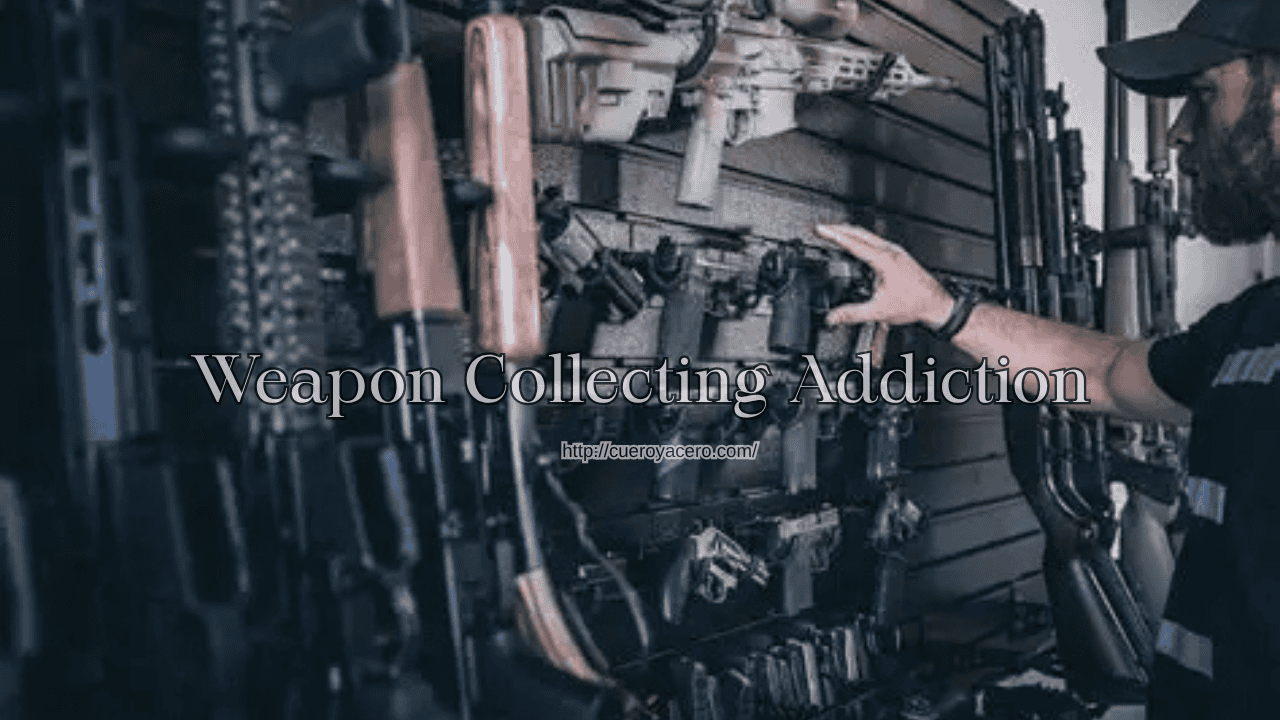 For many people, weapon collecting begins as a passion for history, craftsmanship, or cultural significance. But when the collection becomes a source of stress, secrecy, or emotional dependence, it may signal something deeper. Behavioral addictions, like weapon collecting addiction, can take a quiet toll on mental health and relationships. At Cueroyacero, we understand that addiction comes in many forms, and healing requires compassion, insight, and personalized care.
Recognizing When a Hobby Becomes an Addiction
Every addiction starts with a behavior that once felt harmless. Collecting weapons can shift from enjoyment to obsession when the desire to acquire or maintain a collection becomes uncontrollable. This transition often happens subtly, fueled by emotional triggers or unmet psychological needs.
Common warning signs include:
-
Feeling anxious or irritable when unable to buy or display new items
-
Spending excessive money or time on the collection
-
Hiding purchases or lying about the size or cost of the collection
-
Neglecting personal, financial, or family responsibilities
-
Using the hobby to escape emotional pain or stress
These patterns reflect a behavioral cycle that mirrors other forms of addiction, where the short-term excitement of collecting masks deeper emotional discomfort.
The Psychological Roots of Weapon Collecting Addiction
Weapon collecting can hold symbolic meaning, representing control, strength, or identity. For some individuals, acquiring new items can bring a sense of power or safety. Over time, this emotional reward can reinforce compulsive behaviors, creating a dependence on collecting to regulate mood or self-esteem.
Unresolved trauma, loneliness, anxiety, or depression can all fuel this dependency. The more a person relies on their collection for comfort, the harder it becomes to separate their sense of self from the objects they own. This emotional entanglement can lead to guilt, shame, and social withdrawal, intensifying the addiction’s hold.
Seeking Help and Building a Path to Recovery
Acknowledging that weapon collecting has become unhealthy is a powerful first step. Recovery begins by addressing both the behavior and its emotional roots. At Cueroyacero, we provide a comprehensive approach to behavioral addiction treatment that blends evidence-based therapy with holistic healing.
Our treatment approach includes:
-
Inpatient and outpatient care: Flexible programs designed to meet individuals where they are in their recovery journey.
-
Individual and group therapy: Safe spaces to explore emotional triggers and build healthier coping mechanisms.
-
Faith-based support: Integrating spiritual growth and reflection for those who seek meaning in their recovery.
-
Holistic methods: Practices such as mindfulness, exercise, and creative expression to promote mental and physical balance.
-
Personalized treatment plans: Tailored care that respects each person’s unique background, values, and goals.
Through compassionate guidance and clinical expertise, clients learn to replace compulsive behaviors with healthy, sustainable forms of fulfillment.
Rebuilding Life Beyond the Collection
Healing from a behavioral addiction is not about giving up interests but reclaiming control over them. With professional help, individuals can rediscover balance, strengthen relationships, and rebuild a sense of identity that is not dependent on possessions.
Recovery also involves learning to manage stress, set boundaries, and find new sources of joy and purpose. Whether through therapy, faith, or community support, each step toward wellness restores the freedom that addiction once took away.
Take the First Step Toward Change
If your passion for weapon collecting has begun to feel more like a burden than a joy, you are not alone. Compassionate help is available. At Cueroyacero, we specialize in treating behavioral addictions through a blend of professional care, holistic healing, and faith-based support.
Reaching out is not a sign of weakness—it is an act of courage. Let us help you break the cycle and rediscover a life of balance, peace, and purpose. Contact Cueroyacero today to begin your path to recovery.
From Curiosity to Compulsion: The Mental Health Risks of Excessive Weapon Collecting
 Weapon collecting can begin as a fascinating hobby. For many, it is a way to connect with history, craftsmanship, and personal identity. Each piece tells a story, and the thrill of acquisition can bring excitement and satisfaction. However, for some individuals, this interest can evolve into compulsion, creating mental health challenges and affecting daily life. At Cueroyacero, we recognize that addiction is not limited to substances. Behavioral addictions, including compulsive collecting, can be just as disruptive to emotional well-being and relationships.
Understanding the Shift from Hobby to Compulsion
Collecting becomes concerning when it is no longer a choice but a need. Behavioral addiction develops when the act of acquiring items consistently overrides personal responsibilities, financial stability, or emotional balance.
Signs your hobby may be crossing into compulsion:
-
Spending more than you can afford to purchase new items
-
Experiencing stress or anxiety when you cannot acquire something new
-
Hiding purchases or minimizing the size of your collection to others
-
Neglecting work, family, or personal care because of collecting
-
Feeling that your collection defines your identity or emotional security
These behaviors indicate that collecting may be serving as a coping mechanism rather than a fulfilling hobby.
The Emotional and Psychological Pull
Weapons carry a powerful symbolic meaning. They often represent control, strength, and protection. For some collectors, each acquisition provides temporary relief from stress, loneliness, or unresolved trauma. This emotional reinforcement can quickly create a cycle of craving, similar to other behavioral addictions such as gambling or shopping.
Over time, the collection itself may become a source of anxiety. Individuals may feel pressure to maintain, expand, or perfect their collection, which can exacerbate mental health challenges instead of alleviating them.
Mental Health Implications
Excessive weapon collecting can be associated with co-occurring mental health conditions. Anxiety, depression, and past trauma can contribute to compulsive behavior. The collection may provide a temporary sense of control, but it does not address the underlying emotional needs.
Professional mental health support is crucial for understanding the root causes of compulsive collecting. Therapy can help individuals explore emotional triggers, build healthier coping mechanisms, and reduce reliance on collecting as a form of emotional regulation.
Holistic and Faith-Based Recovery
At Cueroyacero, we approach behavioral addiction with a holistic, individualized strategy. Recovery is about treating the whole person—mind, body, and spirit—rather than simply addressing the compulsive behavior.
Our comprehensive programs include:
-
Inpatient and outpatient care to provide structured support at every stage of recovery
-
Individual and group therapy to identify triggers and develop healthy coping strategies
-
Faith-based counseling to integrate spiritual growth into the healing process
-
Holistic therapies such as mindfulness, physical activity, and creative expression to restore balance
-
Comprehensive mental health treatment to address co-occurring conditions like anxiety or depression
This approach ensures that individuals gain the tools to reclaim control over their lives while addressing the underlying emotional and psychological factors that contribute to compulsion.
Taking the First Step Toward Balance
If you recognize patterns of compulsion in your weapon collecting, it is not a sign of weakness. Awareness is the first step toward positive change. At Cueroyacero, we provide compassionate support, evidence-based treatment, and personalized care to help individuals regain balance and restore well-being.
Your hobby does not have to define or control your life. Reach out to Cueroyacero today to begin a journey toward healthier habits, emotional resilience, and lasting recovery.
Is Your Hobby Turning Harmful: Signs Weapon Collecting May Be a Compulsion
 For many people, weapon collecting is more than just a pastime. It is a way to honor history, appreciate craftsmanship, or feel connected to heritage and identity. A carefully curated collection can bring pride and enjoyment. But when a hobby begins to take over finances, relationships, or mental health, it may no longer be harmless. At Cueroyacero, we recognize that addiction is not always about substances. Behavioral addictions, such as compulsive collecting, can be just as damaging if left unaddressed.
When Passion Crosses the Line
Every hobby requires time and attention, but addiction occurs when the behavior shifts from voluntary enjoyment to compulsive need. For collectors, the thrill of acquiring one more piece can become overwhelming, leading to patterns that disrupt daily life.
Key warning signs include:
-
Spending more money than you can afford on new items
-
Hiding purchases or downplaying the size of your collection
-
Feeling restless or irritable when you cannot add to your collection
-
Allowing collecting to interfere with family, work, or personal responsibilities
-
Neglecting health or emotional well-being due to obsessive focus on collecting
If any of these sound familiar, it may be time to reflect on whether your hobby has become harmful.
Why Weapon Collecting Can Become Compulsive
Weapons hold a unique symbolic power. They often represent control, strength, and survival. For some, acquiring these objects provides comfort during times of stress or uncertainty. While the initial satisfaction feels rewarding, the relief is often temporary. This cycle can mimic other behavioral addictions such as gambling or shopping, where the “high” of acquisition quickly fades, creating a craving for more.
Over time, the collection may shift from a meaningful pursuit to a compulsive pattern used to manage deeper issues like anxiety, loneliness, or unresolved trauma.
The Connection Between Mental Health and Collecting
Behavioral addictions often develop alongside underlying mental health concerns. Anxiety, depression, and past traumatic experiences can make individuals more vulnerable to compulsive behaviors. Collecting becomes a way to self-soothe, but it does not address the root causes of emotional distress.
Professional support makes a difference. By working with therapists and mental health specialists, individuals can explore the underlying issues that fuel compulsive collecting. Treatment focuses not only on stopping the behavior but also on building healthier coping skills and restoring balance.
A Holistic Approach to Healing
At Cueroyacero, we believe in treating the whole person—mind, body, and spirit. Recovery is not simply about removing the compulsion but about creating a healthier, more fulfilling life.
Our programs include:
-
Inpatient and outpatient care that meets you where you are in your recovery journey
-
Individual and group therapy to uncover emotional triggers and build resilience
-
Faith-based counseling for those who seek spiritual healing alongside treatment
-
Holistic therapies such as mindfulness, exercise, and creative outlets to restore balance
-
Comprehensive mental health treatment to address co-occurring conditions like anxiety or depression
Through personalized care, we help clients move beyond compulsion and rediscover a sense of freedom and stability.
Taking the Next Step
If you feel that your collection is no longer under your control, you are not alone. Recognizing the signs of compulsive behavior is a powerful first step toward healing. With the right support, it is possible to reclaim your life, strengthen relationships, and build healthier ways to find fulfillment.
At Cueroyacero, we are here to guide you with compassion, expertise, and a commitment to your recovery. Reach out today to take the next step toward balance and healing. Your hobby does not have to become a burden. Recovery is possible.
When Collection Becomes Craving: Understanding Weapon Collecting as Behavioral Addiction
 For many enthusiasts, weapon collecting begins as a hobby that celebrates history, craftsmanship, and personal interest. Each item represents a story, a symbol, or an achievement. But what happens when that passion turns into something harder to control? When the desire to acquire more weapons becomes a constant craving, the line between hobby and behavioral addiction begins to blur. At Cueroyacero, we recognize that addiction is not always tied to substances. Compulsive behaviors, including collecting, can be just as disruptive to mental health and daily life.
From Interest to Addiction
Collecting is generally a healthy activity, but it becomes a concern when it begins to interfere with responsibilities, relationships, or financial stability. Behavioral addiction develops when the act of collecting shifts from a conscious choice to an uncontrollable drive.
Common signs of compulsive collecting include:
-
Spending excessive amounts of money on new acquisitions
-
Experiencing anxiety or irritability when unable to expand the collection
-
Hiding purchases or downplaying the size of the collection
-
Neglecting family, work, or self-care because of collecting behaviors
When collection becomes craving, the emotional rush of a new acquisition replaces healthy sources of fulfillment, creating a cycle similar to other forms of addiction.
The Psychology Behind the Craving
Weapons carry a unique psychological weight. They often represent strength, security, and identity. For some individuals, collecting becomes a way to cope with deeper emotional struggles such as loneliness, trauma, or stress. The act of acquiring new pieces provides temporary relief or a sense of control, but the feeling fades quickly, leaving the collector searching for the next item.
This cycle mirrors patterns seen in gambling or shopping addiction, where the behavior itself becomes a way to manage underlying pain or unmet needs. Without intervention, the compulsion can grow stronger over time.
The Role of Mental Health
Behavioral addictions rarely exist in isolation. Anxiety, depression, or past trauma often play a significant role in fueling compulsive behaviors. Weapon collecting addiction may be a symptom of a larger emotional or psychological struggle. Addressing mental health directly is essential for breaking the cycle.
Through therapy, individuals can uncover the emotional triggers behind their collecting and begin building healthier coping strategies. By treating both the behavior and its root causes, long-term recovery becomes possible.
Healing Through Holistic Care
At Cueroyacero, we believe in treating the whole person, not just the addiction. Our recovery programs combine professional expertise with compassionate care, offering support at every stage of healing.
Our approach includes:
-
Inpatient and outpatient care to provide the right level of structure and flexibility
-
Individual and group therapy to identify triggers and build coping tools
-
Faith-based counseling for those who want to integrate spiritual growth into their journey
-
Holistic therapies such as mindfulness, physical wellness, and creative practices to restore balance
-
Comprehensive mental health treatment for co-occurring conditions like anxiety or depression
By addressing body, mind, and spirit together, recovery becomes more than managing symptoms. It becomes a path to lasting change and renewed purpose.
Choosing Recovery Before It Escalates
If you recognize yourself or a loved one in these patterns, know that it is possible to break free. A collection should be a source of enjoyment, not a burden that takes control of life. Recognizing the shift from hobby to craving is the first and most important step.
At Cueroyacero, we are here to help with personalized, compassionate care that honors your unique story. You do not have to carry the weight of addiction alone. Reach out today to begin a journey toward balance, healing, and freedom.
Triggering Compulsion: Recognizing Weapon Collecting Addiction Before It Escalates
 For many, weapon collecting begins as a fascinating hobby. The history, craftsmanship, and cultural meaning behind each piece can hold deep significance. Yet for some, what starts as an interest gradually becomes a compulsion that is hard to control. When the desire to acquire more pieces overshadows personal responsibilities, relationships, or financial health, weapon collecting may no longer be a harmless pursuit. At Cueroyacero, we understand how easily a passion can shift into addiction, and how important it is to recognize the signs before it escalates.
When Hobby Turns Into Compulsion
Not every collector struggles with addiction. Many are able to enjoy their collections responsibly. The concern arises when collecting no longer feels like a choice but a need. This shift is similar to other behavioral addictions, where the act of acquiring provides a temporary sense of relief or satisfaction but leaves a lingering cycle of craving.
Warning signs that collecting may be turning into addiction:
-
Spending beyond one’s means to acquire new items
-
Hiding purchases or downplaying the size of a collection
-
Feeling anxious, irritable, or restless without the next acquisition
-
Strained relationships due to time or money spent on collecting
-
Neglecting self-care, work, or family responsibilities
Recognizing these patterns early is key to preventing long-term harm.
The Psychological Pull of Weapon Collecting
Weapons are not ordinary objects. They often symbolize power, protection, and history. For some individuals, collecting provides a sense of identity or control. This strong emotional attachment can make it difficult to let go, even when collecting begins to cause problems.
At times, the behavior may be fueled by deeper struggles such as unresolved trauma, stress, or loneliness. Instead of addressing these issues, the collector relies on the collection for comfort. This can create a cycle that is difficult to break without professional support.
The Role of Mental Health in Compulsive Collecting
Weapon collecting addiction is rarely about the objects themselves. More often, it reflects unmet emotional or psychological needs. Anxiety, depression, and trauma can all contribute to compulsive behaviors. Without treatment, the cycle continues: stress leads to collecting, collecting brings temporary relief, and guilt or strain follows soon after.
Seeking professional help allows individuals to uncover the root causes behind the behavior. By addressing mental health directly, it becomes possible to regain balance and control.
Pathways to Healing
At Cueroyacero, we provide compassionate care for those struggling with addiction, whether substance-related or behavioral. Our programs are designed to treat the whole person—mind, body, and spirit—through an individualized and holistic approach.
Our recovery services include:
-
Inpatient and outpatient care tailored to personal needs and levels of support
-
Therapeutic counseling to explore emotional triggers and build healthier coping strategies
-
Faith-based support for individuals who wish to integrate spirituality into their healing journey
-
Holistic therapies such as mindfulness practices, physical wellness, and creative outlets to restore balance
-
Comprehensive mental health treatment for co-occurring conditions that may fuel compulsive behavior
With the right guidance, it is possible to move beyond compulsion and rediscover life beyond the collection.
Taking the First Step Toward Freedom
Recognizing that a hobby has crossed into compulsion is not a sign of weakness. It is a sign of strength and awareness. If weapon collecting has begun to feel overwhelming or harmful, help is available. At Cueroyacero, we believe every individual deserves a path to healing that honors their unique story.
You do not have to face this struggle alone. Reach out today to learn more about our recovery programs and take the first step toward balance, peace, and lasting recovery.
Weaponized Addiction: A Behavioral Analysis of Compulsive Collecting
Collecting weapons can begin as a meaningful pursuit. For some, it is rooted in history and craftsmanship, while for others it represents identity, strength, or tradition. Yet what starts as a passion can sometimes shift into something far more controlling. When collecting becomes compulsive, it may begin to resemble a behavioral addiction that affects mental health, relationships, and overall quality of life. At Cueroyacero, we know that addiction is not always tied to substances. Compulsive behaviors can be just as consuming, and understanding their psychological impact is a vital step toward healing.
What Makes Collecting a Potential Addiction?
Not every weapon collector struggles with compulsion. Many enjoy their collections in balance with the rest of their lives. The difference lies in control. A hobby becomes a potential addiction when the behavior no longer feels like a choice, but a need.
Signs that collecting may have crossed into addiction include:
- Spending excessive amounts of money on new items while neglecting essential needs
- Feeling guilt, anxiety, or irritability when unable to expand the collection
- Hiding purchases or downplaying the extent of the collection to loved ones
- Allowing the pursuit to interfere with relationships, responsibilities, or personal health
These behaviors mirror other forms of behavioral addiction, such as gambling or compulsive shopping, where the “high” of acquisition temporarily soothes deeper emotional needs.
The Psychological Allure of Weaponry
Weapons carry unique symbolism that makes collecting them particularly powerful. They represent strength, survival, and control. For some individuals, acquiring and displaying these items offers more than satisfaction—it becomes a source of identity and emotional stability.
This psychological connection can be dangerous when the collection becomes a substitute for addressing unresolved issues such as trauma, anxiety, or loneliness. Instead of finding peace through healing, the collector relies on the collection for comfort. Over time, this dependence can escalate into a compulsive cycle.
Social Reinforcement and Pressure
Weapon collecting is often connected to communities, whether through shows, auctions, or online forums. While these groups can offer camaraderie, they can also encourage unhealthy competition. The desire to own the rarest or most valuable piece can push collectors beyond healthy limits, reinforcing compulsive behaviors. What begins as a shared interest can become a source of pressure that fuels addiction.
Treatment and Recovery: A Whole-Person Approach
At Cueroyacero, we understand that breaking free from behavioral addiction requires more than simply stopping the behavior. True recovery comes from healing the underlying emotional, psychological, and spiritual wounds that fuel compulsion. Our holistic and faith-based approach addresses every aspect of a person’s well-being.
Our treatment programs include:
- Inpatient and outpatient care to provide structure and flexibility depending on personal needs
- Individual and group therapy to uncover emotional triggers and build healthier coping strategies
- Faith-based counseling for those who want to integrate spiritual healing into their recovery journey
- Holistic therapies such as mindfulness, physical wellness, and creative expression to restore balance
- Comprehensive mental health support to treat co-occurring issues like anxiety, depression, or trauma
By treating the whole person—mind, body, and spirit—we help individuals not only break free from compulsive behaviors but also discover healthier ways to find meaning and fulfillment.
Taking Back Control
If your collection feels less like a passion and more like a compulsion, you are not alone. Recognizing the signs of behavioral addiction is not a sign of weakness. It is a courageous first step toward change. At Cueroyacero, we are here to provide compassionate guidance, individualized treatment, and the support you need to find freedom.
Begin Your Path to Healing Today
Your life does not have to be defined by compulsion. With the right care, balance is possible. Contact Cueroyacero today to speak with a professional who understands the complexity of behavioral addiction and can help you take the next step toward lasting recovery.
Gun Cabinets and Compulsions: Exploring the Addictive Side of Weapon Collections

Collecting weapons often begins with genuine curiosity. Some are drawn to the craftsmanship of antique firearms, while others admire the cultural or historical value of blades, rifles, or military memorabilia. For many, it is an enriching hobby. Yet for some individuals, this pursuit can become overwhelming, transforming from interest into compulsion. At Cueroyacero, we know addiction can take many shapes, and recognizing how a collection can turn into a dependency is the first step toward healing.
When a Hobby Becomes a Habit
The act of collecting is deeply rewarding. Each new addition can bring excitement, pride, and even a sense of identity. However, the brain interprets these acquisitions as rewards, releasing dopamine, which reinforces the desire to continue. Over time, this reward cycle can lead to compulsive behavior that resembles other forms of behavioral addiction.
Common signs of compulsive weapon collecting include:
- Spending beyond financial limits to obtain new pieces
- Experiencing guilt, anxiety, or irritability when unable to add to the collection
- Hiding purchases or justifying overspending
- Allowing the collection to interfere with relationships or daily responsibilities
These patterns highlight when a passion begins to control the collector rather than the other way around.
The Emotional Weight of Weaponry
Weapons carry unique symbolism. They are often associated with strength, power, and protection. For some collectors, owning these items provides a sense of control or identity. While this can feel satisfying, it can also mask deeper emotional struggles such as anxiety, unresolved trauma, or feelings of inadequacy.
When the collection becomes a primary source of comfort or validation, it may prevent individuals from addressing the underlying issues that truly need attention. This is what makes compulsive collecting more than just a financial or time concern. It becomes an emotional dependency.
The Role of Community and Pressure
Weapon collecting often comes with social circles. Online groups, auctions, and shows can foster camaraderie but can also create unhealthy pressure. Competition over who has the rarest or most valuable collection can fuel compulsive behaviors. When admiration or validation from others becomes the main motivator, the collection can quickly move beyond healthy boundaries.
Healing Beyond the Cabinet: Treatment and Recovery
At Cueroyacero, we believe recovery means addressing the whole person, not just the behavior. Our holistic and faith-based treatment programs are designed to uncover the root causes of addiction, whether they involve substance use, compulsive collecting, or co-occurring mental health struggles.
Our approach includes:
- Inpatient and outpatient care tailored to individual needs
- Individual and group therapy to explore emotional triggers and build healthier coping strategies
- Faith-based and spiritual support for those who want to integrate belief into recovery
- Holistic therapies such as mindfulness, physical wellness, and creative expression
- Comprehensive mental health treatment to address anxiety, depression, or trauma connected to addictive behaviors
This individualized approach ensures that every client receives the support they need to create lasting change.
Reclaiming Control
If your collection has begun to feel more like a burden than a joy, it may be time to reflect on your relationship with it. Addiction, whether tied to substances or behaviors, is not a sign of weakness. It is a signal that something deeper is asking to be healed. With the right support, recovery is possible.
Take the Next Step Toward Healing
Your gun cabinet should not control your life. True freedom comes from finding balance, addressing emotional needs, and creating a life rooted in peace and purpose. At Cueroyacero, we are here to guide you through that process with compassion and expertise. Reach out to us today and take the first step toward breaking free from compulsion and discovering lasting healing.