Loaded Desires: Is Weaponry Collecting Fueling Addictive Behavior
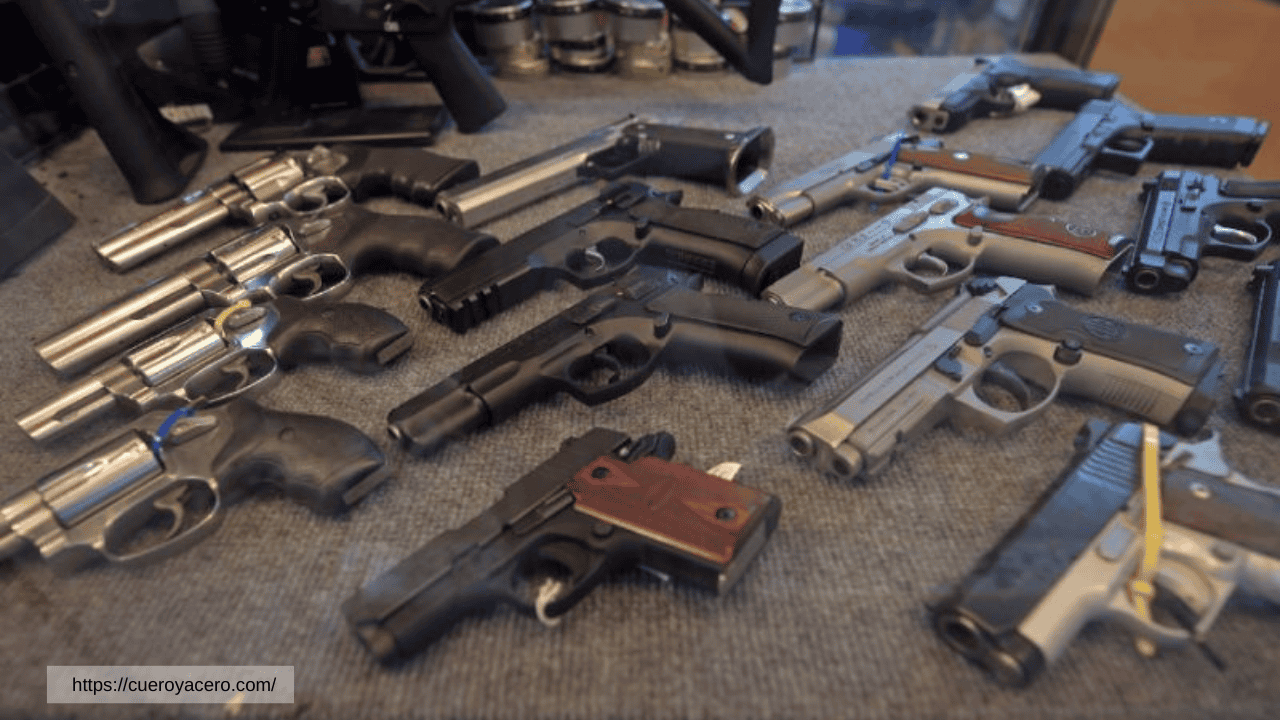
Collecting weapons can be a fascinating and meaningful pursuit. Many enthusiasts appreciate the history, craftsmanship, and symbolism tied to firearms, knives, or military memorabilia. But for some individuals, the passion for collecting can slowly turn into a compulsion that begins to affect mental health, relationships, and overall well-being. At Cueroyacero, we know addiction is not limited to substances. Compulsive behaviors, including excessive weapon collecting, can carry the same emotional weight as other addictions, and recognizing these patterns is the first step toward healing.
When Hobby Becomes Habit: The Psychology of Collecting
Every collection begins with interest and curiosity. A person may purchase their first piece as a tribute to history or a sign of personal pride. Over time, however, the excitement of acquiring new items can create an addictive cycle. Each purchase triggers a rush of dopamine, the brain’s “reward chemical,” which reinforces the behavior and pushes the individual to keep seeking the next addition.
Warning signs that collecting may be turning into an addiction include:
- Spending beyond financial means to acquire new pieces
- Hiding purchases or justifying excessive spending
- Feeling restless, anxious, or guilty when not acquiring something new
- Neglecting relationships, responsibilities, or self-care because of the collection
When these behaviors appear, the collection may no longer be about passion. Instead, it becomes a coping mechanism for deeper struggles like stress, trauma, or low self-worth.
Why Weapon Collecting Can Become Emotionally Charged
Weapons hold unique symbolic power. They often represent strength, protection, and control. For some collectors, owning these items may provide a sense of identity or security in an uncertain world. While this can feel fulfilling in the short term, it can also mask unaddressed emotional needs. Instead of finding balance through healthy coping strategies, the collection becomes the outlet for managing anxiety, grief, or fear.
This is what makes behavioral addictions complex. The collection itself is not inherently harmful. The concern arises when the behavior starts controlling the person, rather than the other way around.
Treatment for Behavioral Addictions: A Whole-Person Approach
At Cueroyacero, we believe recovery is about more than stopping a behavior. It is about healing the root causes that drive it. Our holistic, faith-based, and individualized treatment programs are designed to address both behavioral addictions and co-occurring mental health challenges.
Our services include:
- Inpatient and outpatient care to provide flexibility and support at every stage of recovery
- Individual and group therapy to explore emotional triggers and build healthier coping tools
- Holistic therapies like mindfulness, physical wellness, and expressive practices to restore balance
- Faith-based counseling for those who wish to incorporate spirituality into their healing
- Comprehensive mental health treatment to address trauma, anxiety, or depression linked to addictive behaviors
By treating the whole person—mind, body, and spirit—we help individuals reclaim control and rediscover a life of peace and purpose.
Choosing Recovery Over Compulsion
If your weapon collection has shifted from a passion to a source of stress, you are not alone. Behavioral addiction is real, and seeking help is not a sign of weakness. It is a step toward freedom. At Cueroyacero, we walk alongside you with compassion, expertise, and personalized care that respects your story and supports your goals.
Take the Next Step
Your collection does not define you. What defines you is the courage to recognize when something has taken hold of your life and the strength to reach out for help. If you or someone you love may be struggling with behavioral addiction, contact Cueroyacero today. Together, we can move beyond compulsion and toward lasting healing and hope.
Steel and Psyche: When the Collection Controls the Collector
 Collecting weapons can begin as a harmless hobby—rooted in history, craftsmanship, or cultural identity—but for some individuals, this interest can evolve into something deeper and more consuming. When the excitement of acquiring the next blade, firearm, or rare piece turns into emotional dependency, the collection may no longer be a passion. It may be a symptom of something more serious. At Cueroyacero, we understand that addiction takes many forms, and recognizing the psychological weight behind behaviors like compulsive collecting is a critical step toward recovery.
Understanding Behavioral Addiction Through Weapon Collecting
Behavioral addictions are often misunderstood because they do not involve a substance. But whether it’s gambling, shopping, or excessive collecting, the brain can become just as dependent on the rush of these actions as it would be on drugs or alcohol. In the case of weapon collecting, each new acquisition may trigger a dopamine release, creating a cycle of emotional reward and reinforcing the behavior.
This cycle can become unhealthy when the individual:
-
Spends excessive money or time on the collection
-
Feels anxiety, guilt, or depression when not collecting
-
Neglects relationships or responsibilities
-
Uses the collection to cope with trauma, loneliness, or stress
If any of these patterns sound familiar, it may be a sign that what started as a hobby has shifted into behavioral addiction.
Why Weapon Collecting Becomes a Psychological Crutch
Weapons often symbolize power, safety, and control. For someone struggling with underlying emotional issues, collecting weapons may create a false sense of security or identity. It can serve as a shield against fear, grief, or past trauma. Over time, the collection becomes more than just physical objects—it becomes a source of emotional regulation.
When emotional stability relies on owning rather than healing, deeper issues remain unaddressed. That’s where the compassionate, whole-person approach at Cueroyacero comes in.
Treating Addiction with a Holistic and Individualized Approach
At Cueroyacero, we offer faith-based, holistic addiction recovery services tailored to meet each person’s unique mental health and emotional needs. Whether you’re struggling with substance use or a compulsive behavior like obsessive collecting, our programs are designed to help you understand and heal the root causes of addiction—not just the symptoms.
Our services include:
-
Inpatient and outpatient treatment
-
Individual and group therapy
-
Mental health support for co-occurring disorders
-
Spiritual and faith-based counseling
-
Mind-body therapies, such as mindfulness, fitness, and expressive arts
Our clinical team works closely with each client to develop a treatment plan that supports lasting change. We treat the person, not just the problem.
Reclaiming Control: Recovery Starts With Awareness
If weapon collecting has taken over your life, it’s not a sign of weakness. It’s a signal that your mind and spirit may be seeking comfort, structure, or identity in ways that no object can truly provide. Recovery is about finding that sense of self again—through connection, healing, and guided support.
At Cueroyacero, we believe every person has the strength to break free from addictive cycles, no matter what form they take. If you’re ready to talk, we’re here to listen.
Take the Next Step
Your story doesn’t have to be defined by what’s behind the locked cabinet. True healing begins with honesty, courage, and the right support. Contact Cueroyacero today to speak with a compassionate professional who understands behavioral addiction and is ready to walk with you toward freedom and wholeness.
Behind the Locked Cabinet: The Addictive Allure of Weapon Collecting

For many, weapon collecting is more than a pastime — it’s a passion steeped in history, artistry, and personal identity. The gleam of a polished antique pistol, the weight of a military-grade rifle, or the design of a rare combat knife offers collectors a sense of pride and fascination. Yet behind the locked cabinets and display cases, there’s a side of weapon collecting that isn’t often discussed: its potential to become an addiction.
At first glance, collecting weapons seems like a respectable hobby. It often begins innocently — a fascination with military history, admiration for craftsmanship, or a desire to preserve artifacts. However, over time, the pursuit of rare or valuable items can shift from interest to obsession. This transition isn’t always obvious. It often happens subtly, fueled by a need to feel in control, validated, or emotionally fulfilled.
The psychology of addiction doesn’t just apply to substances; behaviors can be addictive too. Known as behavioral addictions, these patterns involve compulsive actions that produce a short-term reward, despite long-term harm. Weapon collecting can fall into this category when the thrill of the hunt — the next rare find or auction win — starts to dominate a person’s thoughts, habits, and emotional state.
Weaponry, by its very nature, holds powerful symbolism. It represents strength, authority, self-reliance, and survival. For some individuals, collecting weapons isn’t just about the object; it’s about what the object represents. Each addition to the collection may provide a temporary emotional boost, filling gaps of insecurity, anxiety, or a desire for control. This psychological connection can deepen dependence on the hobby, turning it into a coping mechanism rather than a source of genuine joy.
Financial strain is often one of the first red flags. Collectors may justify overspending by labeling purchases as “investments” or “once-in-a-lifetime opportunities.” But when weapon collecting begins to disrupt a person’s finances, relationships, or daily responsibilities, the line between passion and problem becomes clear. Others may begin to hide their purchases or downplay their collection to avoid confrontation, a behavior often seen in other types of addiction.
Social reinforcement can further complicate matters. Online groups, forums, and gun shows create communities where excessive collecting is not only accepted but sometimes celebrated. In these circles, owning the rarest or most expensive piece can equate to status and admiration. The pressure to compete or impress can drive collectors to push past healthy boundaries without realizing it.
Yet it’s important to note: not every dedicated collector is addicted. Many enthusiasts maintain balance, collecting responsibly and enjoying their passion without negative consequences. The key is self-awareness. Asking questions like, “Am I in control of this hobby, or is it controlling me?” can be the first step in recognizing a problem.
In conclusion, while weapon collecting can be a meaningful and enriching activity, it’s not immune to addictive tendencies. Behind the locked cabinet may lie more than just artifacts — there may be a psychological need quietly growing stronger. Recognizing and addressing this possibility can help collectors enjoy their passion without falling into the trap of compulsion.
Collectors or Compulsives? Understanding the Fine Line in Weaponry Enthusiasm
 Weaponry collecting is a passion that spans centuries and cultures, often rooted in appreciation for craftsmanship, historical significance, and personal identity. From samurai swords and antique rifles to modern firearms and military memorabilia, collectors take pride in preserving these artifacts. But when does this enthusiasm cross the line into something more troubling? Understanding the distinction between genuine collecting and compulsive behavior is key to ensuring that a hobby remains healthy.
The psychology of collecting is complex. For most, it begins with fascination — a desire to learn, appreciate, and acquire meaningful items. Collecting can serve many positive functions: it offers a sense of accomplishment, provides structure, and connects individuals with others who share their interests. Weaponry, in particular, attracts those with a deep appreciation for history, engineering, or even personal defense values.
However, the same traits that make collecting rewarding can, in some cases, lead to compulsive behavior. When the drive to acquire becomes overwhelming — interfering with personal relationships, finances, or mental health — the collector may be moving into dangerous territory.
Compulsive collecting is not defined by how many items a person owns or how much they spend, but rather by how the behavior impacts their life. For instance, someone may begin hiding purchases from loved ones, sacrificing essential expenses to acquire a new piece, or feeling anxious or irritable when unable to make a purchase. In such cases, the collection is no longer serving the person — it is controlling them.
Weaponry collecting can also carry a unique psychological weight due to what the items symbolize. Weapons often represent strength, power, control, and self-reliance. For some collectors, the act of amassing weapons may fulfill emotional needs that have nothing to do with history or aesthetics. The collection may become a source of identity or a way to cope with insecurity, anxiety, or unresolved trauma. When this emotional dependency is present, the line between collector and compulsive begins to blur.
The environment also plays a role. Online forums, gun shows, and social media communities can unintentionally encourage excessive collecting by promoting competition or glorifying massive collections. In these spaces, the pressure to outdo others can push enthusiasts into making irrational or impulsive decisions.
That said, it’s important to avoid pathologizing every dedicated collector. Passion, even intense passion, is not inherently unhealthy. The difference lies in control. A healthy collector makes intentional, informed decisions and can step back without distress. A compulsive collector feels compelled — unable to resist the urge, even when it causes harm.
In conclusion, the line between collecting and compulsion is fine but significant. Weaponry enthusiasts should regularly assess their motivations and behaviors to ensure their hobby remains a source of joy, not stress. Setting boundaries, seeking feedback from trusted individuals, and being honest about emotional drivers can help maintain a balanced relationship with one’s collection. Passion should add to one’s life — not quietly take over it.

From Interest to Obsession: The Psychology Behind Collecting Weapons

Collecting weapons — whether ancient swords, vintage firearms, or modern tactical gear — is a niche but widespread hobby that captivates many across cultures. For some, it starts as a historical interest or appreciation for craftsmanship. For others, it’s about personal identity or a fascination with power and defense. But as with many hobbies, the line between interest and obsession can become dangerously thin. The psychology behind collecting weapons reveals a complex mix of personal, emotional, and sometimes compulsive motivations.
At its core, collecting satisfies several psychological needs: it provides structure, promotes mastery, and gives a sense of purpose. Collectors often enjoy the thrill of the hunt, the satisfaction of acquisition, and the pride of ownership. In weapon collecting specifically, these feelings may be intensified by the object’s inherent symbolism — power, control, history, and defense. Each item becomes more than just a collectible; it can feel like a personal extension of the collector’s values and identity.
But what turns a healthy interest into a psychological obsession?
Obsession begins when collecting becomes less about enjoyment and more about compulsion. A collector may start prioritizing weapon acquisition over daily responsibilities, relationships, or financial stability. They might feel a rush of excitement when acquiring a new piece — a dopamine-driven high — followed by a quick drop that leads them to seek the next item. This cycle mirrors other behavioral addictions, such as gambling or shopping.
One key psychological factor is the concept of control. In a chaotic or uncertain world, owning weapons can give an individual a feeling of security, preparedness, or dominance. The collection becomes not just a hobby, but a coping mechanism. This emotional reliance can spiral into dependency, where the absence of new acquisitions causes anxiety or restlessness.
Additionally, collecting often satisfies a need for identity. Many weapon collectors define themselves by their expertise and possessions. Their social circles, both online and in real life, may revolve around this shared interest. This can create an echo chamber where obsessive behavior is normalized or even encouraged. The pursuit of recognition or status within these communities may drive collectors to go further — acquiring rarer, more expensive, or more dangerous items — regardless of personal cost.
Cognitive dissonance also plays a role. A collector who begins to question their own behavior may justify excessive spending or hoarding by calling it an “investment” or a “passion project.” While these justifications may have some truth, they can also mask underlying compulsions that are harder to confront.
Importantly, not all intense collectors are obsessed or addicted. Passion and deep interest are not inherently harmful. The issue arises when collecting begins to control the person, rather than the other way around.
In conclusion, weapon collecting sits at a fascinating intersection of psychology, identity, and culture. While it can be a rewarding and meaningful hobby, it’s crucial for collectors to be self-aware and honest about their motivations and behaviors. Regular reflection and balance are key to ensuring that a strong interest doesn’t evolve into a harmful obsession.
Triggering Compulsion: When Weapon Collecting Becomes an Addiction

Weapon collecting has long attracted enthusiasts fascinated by history, mechanics, craftsmanship, and the cultural significance of arms. From antique swords and flintlock pistols to modern firearms and tactical gear, the appeal of building a curated collection can be both intellectually stimulating and emotionally fulfilling. However, beneath this passion lies a potential psychological trap — one where collecting shifts from a hobby to a compulsion, raising serious questions about behavioral addiction.
At first glance, collecting weapons may appear no different than gathering comic books, art, or model trains. But the high stakes — including cost, legality, safety, and symbolism — make weaponry a unique case. For some individuals, the act of acquiring new weapons becomes less about appreciation and more about satisfying an internal craving. When this behavior is repeated compulsively, often at the expense of personal relationships, financial stability, or emotional well-being, it may qualify as an addiction.
Behavioral addiction does not involve substances but is instead driven by compulsive actions that stimulate the brain’s reward system. Every new acquisition can trigger a release of dopamine — the chemical linked to pleasure and motivation. Over time, this reward-seeking behavior can override rational thought. Collectors may feel an increasing urgency to “complete” a set, obtain rare items, or stay ahead of other collectors, leading to an obsessive cycle of buying, trading, and seeking.
Warning signs of this compulsion include a growing sense of anxiety or irritability when unable to acquire new items, excessive time spent browsing, bidding, or discussing weaponry, and neglect of responsibilities. In extreme cases, individuals may go into debt, lie to family members about their spending, or compromise on safety and legal boundaries just to continue their habit.
There’s also a psychological dimension tied to identity and control. For some, owning weapons offers a sense of empowerment or personal security. This emotional attachment can create a deeper dependency, where the collector equates their self-worth or safety with the size and uniqueness of their arsenal. In such cases, the collection is not merely a display of interest — it becomes a crutch for emotional stability.
Moreover, the culture surrounding weapon collecting can unintentionally reinforce compulsive behavior. Online forums, gun shows, and social media groups often glamorize rare finds and expensive builds. This can create social pressure, where collectors feel the need to continually upgrade or expand their collections to earn status or respect within the community.
That said, not all collectors are addicts. Many people maintain healthy boundaries and enjoy their collections responsibly. The key difference lies in control. If collecting enhances a person’s life without causing distress or dysfunction, it remains a positive outlet. But when it begins to dominate thoughts, drain resources, or replace human connection, it’s time for reflection.
Weapon collecting can be a meaningful and enjoyable pursuit. But like any passion, it carries the risk of excess. Recognizing the signs of compulsion early can help enthusiasts maintain a balanced and mindful relationship with their collections — and ensure their hobby remains a source of enrichment, not a hidden addiction.
Obsession or Hobby? Examining Weaponry Collecting Through the Lens of Addiction

Collecting weaponry, from antique firearms to modern tactical gear, has long been a hobby for enthusiasts around the world. For many, it is a passion grounded in historical appreciation, craftsmanship, and personal interest. However, as with any intense interest, a line can sometimes blur between a healthy pastime and a compulsive behavior. The question arises: when does weaponry collecting stop being a hobby and start resembling an addiction?
To understand this, it’s essential to examine the psychology behind collecting itself. Collecting, in its healthiest form, provides structure, enjoyment, and a sense of purpose. It can also serve as a means of connecting with a community of like-minded individuals. However, when the pursuit of the collection begins to cause financial strain, social withdrawal, or emotional dependence, the behavior may shift into addictive territory. Like other behavioral addictions — such as gambling, shopping, or internet use — weapon collecting can offer a dopamine reward each time a new item is acquired, reinforcing the compulsion to seek more.
Weaponry collecting poses a unique dynamic due to the nature of the items involved. Unlike stamps or coins, weapons can carry a certain psychological weight. They can be tied to power, identity, or fantasies of control. Some individuals may begin collecting as a way to feel empowered, secure, or even admired. Over time, if those emotional needs become exclusively tied to the act of acquiring new pieces, the collector may become emotionally dependent on the habit — a hallmark of addiction.
Financial issues are another red flag. High-end weaponry can be extraordinarily expensive, and a collector deep in addiction may prioritize new purchases over essential expenses or hide spending from loved ones. Similarly, if someone becomes isolated, only socializing in collector circles or withdrawing from friends and family who “don’t understand” their passion, it may signal a deeper problem.
There’s also the risk of cognitive dissonance — where collectors justify excessive spending, hoarding, or secrecy under the guise of “investment” or “preserving history.” While those may be partially true, they can also serve as rationalizations for compulsive behavior. This is particularly concerning if the collector feels anxiety, guilt, or restlessness when unable to add to the collection — classic symptoms of addiction.
However, not all intense collecting qualifies as addiction. The distinction lies in impact. A person can have a large, expensive collection and still lead a balanced life, provided their collecting doesn’t disrupt relationships, finances, or mental health. Addiction begins where control ends.
In conclusion, while weaponry collecting can be a rewarding and educational hobby, it’s important for collectors to periodically reflect on their motivations, behaviors, and the broader impact of their collecting. Like any passion, it should add to one’s life — not consume it. Recognizing when a hobby turns into a harmful compulsion is the first step toward maintaining a healthy relationship with any interest, no matter how powerful or intriguing.
More Than Just a Number: What Your Weapon Collection Says About You

A weapon collection can tell you a lot about its owner. Whether it’s a few well-maintained firearms or an extensive assortment of historical artifacts, each piece in a collection reflects personal values, interests, and intentions. Collecting weapons is not merely about amassing a number of items; it’s a deeply personal endeavor that often speaks to one’s character, background, and beliefs. So, what does your weapon collection say about you?
A Reflection of History and Heritage
For many collectors, weapons are not just tools of defense but pieces of history. Whether it’s a Civil War musket, a World War II rifle, or a vintage pistol, these items serve as tangible connections to past events. People who collect weapons with historical significance are often deeply invested in preserving history, learning from the past, and maintaining a link to their cultural heritage.
Collectors with a passion for history might spend years hunting down rare, antique, or historically significant pieces. These individuals often value craftsmanship, appreciate the evolution of weaponry, and understand the context in which each piece played a role. Such collections are not just about the weapons themselves but the stories and lessons they carry.
A Symbol of Self-Reliance
For others, owning multiple weapons may represent a desire for self-sufficiency and preparedness. People who build arsenals for personal security or survival purposes often have a mindset that places high value on independence. A collection of firearms, knives, or other survival tools could suggest a belief in the need for readiness in case of an emergency or uncertain times.
This type of collector may see weapons as a means to protect themselves and their families, and their collection might be more about functionality than sentiment. Their choice of weapons often reflects practical considerations—whether it’s a rifle for hunting, a pistol for self-defense, or a tactical knife for outdoor use.
The Pursuit of Excellence and Craftsmanship
For many enthusiasts, collecting weapons is about the artistry and engineering behind each piece. Firearms, knives, and swords often represent the pinnacle of human innovation in design and functionality. Those with a keen interest in craftsmanship are drawn to weapons that demonstrate superior workmanship and attention to detail.
Such collectors often seek out rare, custom, or limited-edition items that reflect the skill and artistry of the maker. Their collection might not simply be functional but also an aesthetic experience, where the form, finish, and mechanics of each item are as important as its practical use.
A Statement of Identity
In some cases, a weapon collection can be a form of self-expression or even a statement of identity. People who own weapons related to a particular culture, region, or ideology might use their collection as a way to align themselves with certain values or communities. For example, someone with a passion for hunting may focus on rifles and shotguns, while a martial artist might collect swords or throwing knives.
Additionally, the ownership of weapons may symbolize personal empowerment or strength. For these individuals, their collection may not just represent a set of tools but an extension of their beliefs and identity.
Responsibility and Ethics
Regardless of the motivations behind a weapon collection, owning multiple weapons comes with great responsibility. Collectors must ensure proper storage, secure handling, and legal compliance. The way an individual maintains and uses their collection can reveal their commitment to responsibility and safety.
In the end, a weapon collection is more than just the sum of its parts. It reveals much about the person behind it—their interests, values, and worldview. Whether driven by historical interest, personal defense, or a love for craftsmanship, a weapon collection can be a window into the character of its owner.
Weapons and the Law: How Many Firearms Can You Legally Own?

One of the most common questions among both new and seasoned gun owners is: How many firearms can I legally own? The answer may seem simple, but it’s actually layered with legal nuance, depending heavily on your country, state, or even local jurisdiction. While some areas have no limit, others enforce strict regulations on ownership, types of weapons, and how they must be stored. Understanding these laws is essential for staying within your rights while remaining a responsible gun owner.
No Federal Limit in the U.S.
In the United States, federal law does not limit the number of firearms a person can own. Whether you possess one pistol for self-defense or a collection of dozens of rifles, federal regulations focus more on how weapons are purchased and transferred than on the quantity you own. However, all gun buyers must pass a background check through the National Instant Criminal Background Check System (NICS), unless they purchase from a private seller where exemptions may apply, depending on the state.
State and Local Restrictions
While the federal government doesn’t cap the number of firearms, state and local governments might. Some states and cities have implemented their own firearm ownership laws to address concerns over gun violence and public safety. For example:
-
California has strict laws around firearm registration and bans certain types of weapons, like “assault weapons,” without special permits.
-
New York enforces magazine capacity limits and requires firearm licenses for both pistols and rifles in certain areas.
-
Hawaii requires all firearms to be registered with local law enforcement and limits magazine capacities.
In contrast, states like Texas, Arizona, and Alaska tend to have fewer restrictions and generally support broader firearm rights, including open and concealed carry.
Special Categories: NFA Firearms
When discussing limits, it’s important to consider weapons regulated under the National Firearms Act (NFA)—this includes machine guns, short-barreled rifles (SBRs), silencers (suppressors), and certain explosive devices. These weapons are not banned outright, but require more rigorous steps for legal ownership, including:
-
Filing ATF Form 4
-
Passing an extended background check
-
Paying a $200 tax stamp per item
-
Registering each item with the Bureau of Alcohol, Tobacco, Firearms and Explosives (ATF)
Although there’s no numerical limit here either, these requirements serve as deterrents to mass accumulation of NFA items.
International Laws Vary Greatly
Outside the U.S., firearm ownership is typically more restrictive. In countries like Japan or the United Kingdom, private gun ownership is tightly regulated, and most citizens are limited to a very small number of firearms, often for sporting purposes only. Background checks, mental health evaluations, and mandatory training are standard in many nations.
The Bottom Line
So, how many firearms can you legally own? In most parts of the U.S., as many as you can responsibly handle and store—as long as you’re following all federal, state, and local regulations. But legal ownership isn’t just about quantity. It’s about accountability, safety, and understanding the law. Always check your local statutes, and when in doubt, consult with a qualified attorney or firearms expert.