When Weapon Enthusiasm Becomes a Coping Mechanism: Understanding the Emotional Pattern
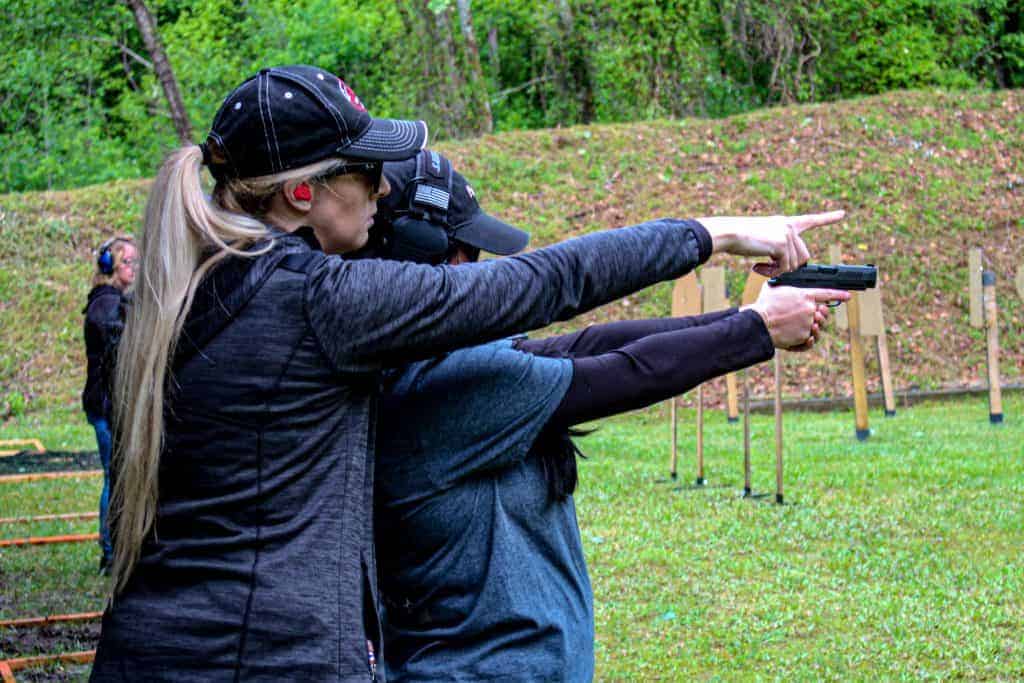 A strong interest in weaponry can be a meaningful part of someone’s life. People may be drawn to history, craftsmanship, research, collecting, or the sense of accomplishment that comes with developing deep knowledge about a specialized subject. However, any hobby can take on a different role when it becomes the primary way a person manages stress, anxiety, loneliness, frustration, or emotional pain. When weapon enthusiasm becomes a coping mechanism, looking beneath the behavior can reveal important information about a person’s mental health and overall well-being.
The goal is not to judge someone for having a passionate interest. A large collection or extensive knowledge about weaponry does not automatically indicate a mental health disorder or behavioral addiction. The more important question is whether the interest remains one healthy part of life or becomes increasingly necessary for emotional comfort.
When a Healthy Interest Becomes Emotional Coping
Healthy hobbies can provide valuable stress relief. Reading, exercising, creating art, playing music, spending time outdoors, and collecting can all give people opportunities to relax and focus on something enjoyable.
The concern begins when a hobby becomes the main response to difficult emotions.
Someone dealing with chronic stress may turn to collecting whenever they feel overwhelmed. Another person may become deeply involved in research after an argument, during a period of loneliness, or when struggling with uncertainty. The activity may provide temporary relief, but the underlying emotional problem remains.
Over time, this can create a predictable pattern:
- Difficult emotions appear.
- The person becomes intensely focused on the hobby.
- The activity provides temporary comfort or distraction.
- The original emotions return.
- The person increasingly relies on the hobby for relief.
Recognizing this cycle is important because the behavior may be serving an emotional purpose that the person has not fully recognized.
The Difference Between Enjoyment and Dependence
A healthy hobby is usually flexible. A person can enjoy it and then shift attention toward work, family, friendships, exercise, or other responsibilities.
Emotional dependence looks different. The person may feel unusually anxious, restless, or irritable when unable to participate. They may think about collecting throughout the day or feel that something is missing whenever they cannot engage with the interest.
That does not automatically mean addiction is present. It does suggest that the emotional relationship with the hobby deserves closer attention.
What Emotional Needs Might Be Behind Weapon Enthusiasm?
There is no single explanation for intense weapon collecting or enthusiasm. Different people have different experiences, personalities, stressors, and emotional needs.
Understanding those needs can be more useful than simply focusing on the behavior.
The Need for Control
Life can become unpredictable. Financial concerns, relationship difficulties, career pressure, grief, trauma, or major changes can leave someone feeling uncertain about the future.
A structured hobby may provide a sense of order.
Researching a subject, organizing belongings, developing expertise, and working toward personal goals can make life feel more manageable. These experiences can be healthy. However, if the hobby becomes the primary way someone feels in control, it may be worth exploring the anxiety or uncertainty underneath that need.
The Need for Security
Some individuals associate their interests with feelings of preparedness or security. Those feelings can become particularly important after frightening or stressful experiences.
The key question is whether the activity provides healthy confidence or whether it has become necessary for someone to feel safe.
If a person becomes increasingly distressed when they cannot access or engage with the collection, professional counseling may help uncover the fears contributing to that reaction.
The Need for Achievement
Collecting can also provide a sense of accomplishment. Learning something new, developing expertise, or reaching a personal goal can be rewarding.
Achievement is an important part of emotional wellness. Problems can develop when one hobby becomes the only reliable source of confidence or satisfaction.
A stronger approach is to build several sources of accomplishment, including meaningful work, relationships, physical activity, education, creativity, service, and personal growth.
Signs That a Coping Pattern May Be Becoming Unhealthy
The size of a collection does not determine whether a problem exists. Instead, look at the impact the behavior has on daily life.
Emotional Warning Signs
Pay attention if you or someone you care about experiences:
- Persistent thoughts about collecting or researching
- Anxiety or irritability when unable to participate
- Increasing reliance on the hobby after stressful experiences
- Guilt about the amount of time or money involved
- Difficulty relaxing without engaging with the hobby
- Using collecting primarily to avoid uncomfortable emotions
- Feeling unable to take a meaningful break
These signs are not a diagnosis. They are reasons to become more curious about what the behavior is accomplishing emotionally.
Lifestyle Warning Signs
A pattern may also need attention when it begins affecting:
- Family relationships
- Friendships
- Employment or school responsibilities
- Financial stability
- Sleep
- Physical health
- Social activities
- Other hobbies and interests
- Emotional well-being
When one interest consistently takes time and energy away from important areas of life, restoring balance becomes increasingly important.
How Stress Can Reinforce the Pattern
Stress and compulsive behavior can reinforce one another. A person experiences emotional discomfort, turns to a familiar activity for relief, feels better temporarily, and then returns to the same stressful circumstances.
Because the activity provides immediate emotional relief, it can become an automatic response.
This is one reason simply telling someone to stop may not address the real problem. If the behavior is helping the person cope with anxiety, loneliness, trauma, grief, or another concern, removing the behavior without developing healthier coping strategies can leave an important emotional need unaddressed.
Look for the Trigger Before the Urge
One practical way to understand the pattern is to examine what happens immediately before the urge to collect, research, or become intensely involved.
Ask:
- What am I feeling right now?
- Did something stressful happen today?
- Am I feeling lonely or disconnected?
- Am I trying to avoid a difficult thought?
- Do I feel anxious about something I cannot control?
- Am I looking for reassurance or a sense of accomplishment?
Keeping a brief journal can make these connections easier to see.
Building Healthier Ways to Manage Difficult Emotions
If weapon enthusiasm has become an important emotional outlet, the goal does not necessarily have to be eliminating the hobby. Instead, the person can work toward developing additional ways to cope.
Expand Your Coping Toolbox
Healthy coping strategies can include:
- Regular physical activity
- Mindfulness and breathing exercises
- Journaling
- Creative pursuits
- Time with supportive friends and family
- Outdoor activities
- Meaningful work or volunteering
- Healthy sleep routines
- Spiritual or faith based practices
- Individual counseling
Having multiple coping strategies reduces the emotional pressure placed on one activity.
Establish Practical Boundaries
Boundaries can also help restore balance.
Depending on the person’s circumstances, useful boundaries might involve setting a reasonable budget, protecting family time, creating limits around hobby-related activities, or postponing emotionally driven decisions.
The purpose is not punishment. Healthy boundaries allow a meaningful interest to remain enjoyable without allowing it to dominate everyday life.
When Professional Mental Health Support Is Appropriate
Sometimes personal strategies are not enough. If intense weapon enthusiasm occurs alongside persistent anxiety, depression, trauma, substance use, relationship difficulties, or other forms of emotional distress, professional support can help identify the bigger picture.
Treatment should focus on the person rather than simply labeling the behavior.
Individualized Treatment
Individualized counseling provides an opportunity to explore emotional triggers, thought patterns, relationships, stressors, and coping strategies in a private setting.
A personalized approach matters because two people can display similar behaviors for very different reasons. One person may be dealing with anxiety. Another may be coping with unresolved grief or trauma. Someone else may be experiencing substance use problems alongside compulsive behaviors.
Understanding the underlying circumstances helps treatment address the actual needs of the individual.
Inpatient and Outpatient Care
The appropriate level of care depends on the person’s needs and circumstances.
Inpatient treatment can provide a structured environment for individuals who require more intensive support. Outpatient care can provide ongoing professional guidance while allowing individuals to maintain many of their daily responsibilities.
When addiction and mental health concerns occur together, an integrated approach can address the different challenges at the same time.
Holistic and Faith Based Approaches
Recovery involves more than changing a single behavior. Emotional wellness can be influenced by physical health, relationships, purpose, values, spirituality, and daily routines.
Holistic treatment may incorporate stress management, mindfulness, physical wellness, healthy routines, and emotional development.
For individuals who draw strength from spirituality, faith based support can provide an additional source of hope, purpose, connection, and encouragement.
These approaches can complement individualized counseling and addiction recovery services when they fit the person’s values and treatment goals.
Recovery Starts With Understanding the Pattern
When a hobby becomes a coping mechanism, shame rarely creates lasting change. Understanding is more productive.
Consider what the activity provides emotionally. Does it offer connection? Control? Security? Achievement? Escape from stress? Relief from loneliness?
Once the underlying need becomes clearer, healthier alternatives can be developed.
For example, someone using collecting to manage anxiety may benefit from learning anxiety management skills. Someone relying on the hobby because of loneliness may need stronger social connections. Someone using it to escape painful experiences may benefit from trauma informed therapy.
The behavior is important, but the person behind the behavior matters even more.
Conclusion: Your Coping Patterns Can Point Toward Healing
Weapon enthusiasm is not inherently unhealthy, and having a passionate interest does not mean someone has an addiction or mental health disorder. The important issue is whether the hobby remains a flexible source of enjoyment or becomes increasingly necessary for managing difficult emotions.
If collecting or weapon-related interests have become your primary way of dealing with stress, anxiety, loneliness, insecurity, or emotional pain, take that change seriously. It may be an opportunity to understand what you need and develop healthier ways to meet those needs.
Professional mental health treatment can provide a supportive place to explore these patterns without judgment. Individualized care, addiction recovery services, inpatient or outpatient treatment, holistic approaches, and faith based support can all play a role when they match an individual’s circumstances and goals.
You do not have to give up everything that brings meaning to your life. The goal is to create enough emotional balance that your interests remain choices rather than necessities. If a hobby has started affecting your relationships, responsibilities, finances, or peace of mind, reaching out for professional support can be an important next step toward healthier coping and lasting well-being.